
If you’re considering an accessory dwelling unit (ADU) in the Bay Area, you’ve likely come across two main options: a factory-built prefab ADU or a site-built ADU.
Prefab can offer a faster installation and standardized pricing, while custom construction gives you more control over the design and how the ADU fits your property. But the right choice often depends less on marketing claims and more on your lot.
Slope, access, setbacks, utilities, permitting, and existing structures can all affect the cost and timeline.
This guide compares prefab vs. custom-built ADUs so you can understand the tradeoffs before choosing a build method.
What Is a Prefab ADU?
A prefab ADU is constructed, at least in substantial part, away from the property in a factory or controlled manufacturing environment.
The California Department of Housing and Community Development recognizes factory-built housing as residential construction manufactured for transportation and permanent installation at another location. Factory-built housing must still meet applicable California requirements.
The term “prefab” can describe several different construction systems, so it is important to understand what you are actually buying.
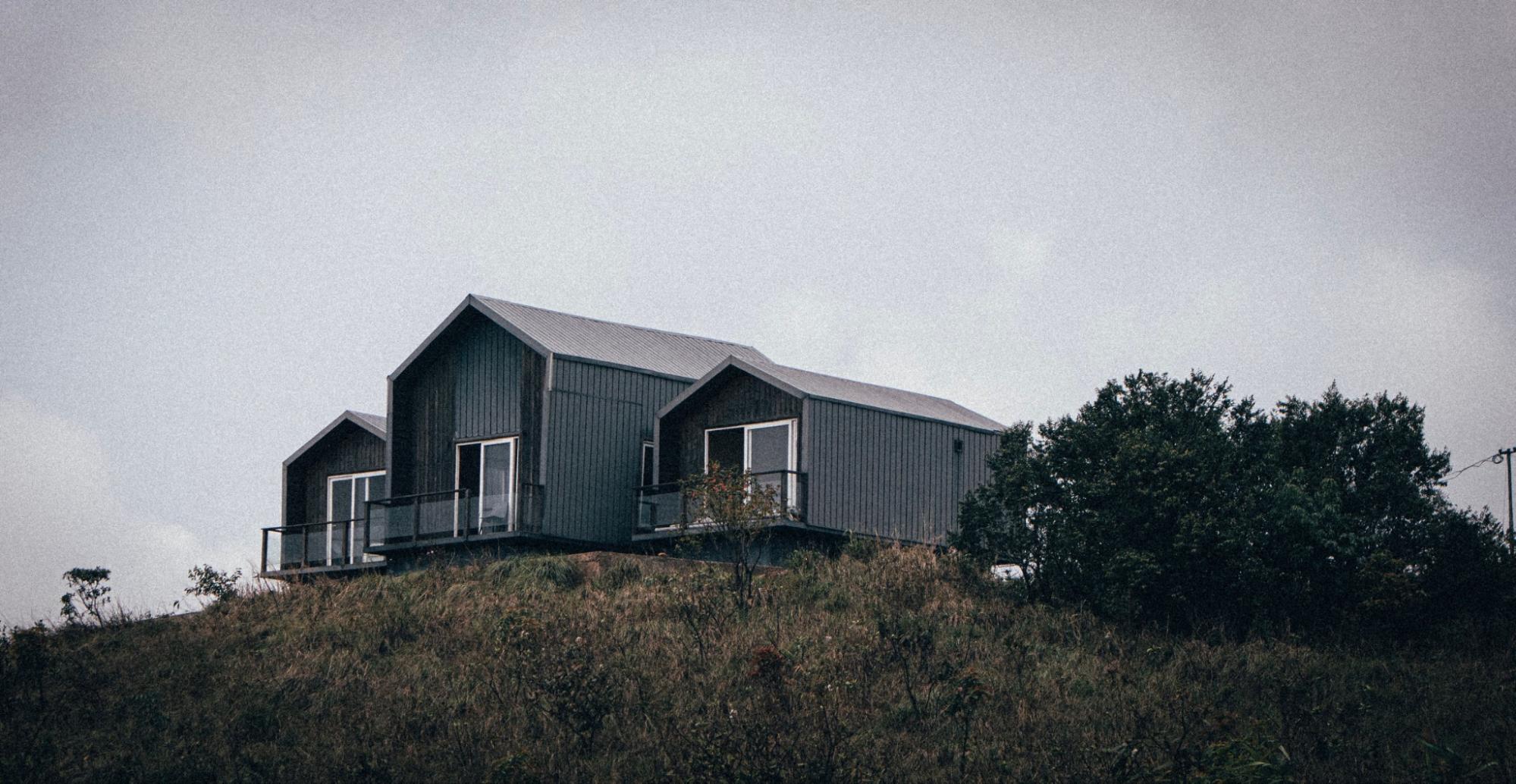
The Three Types of Prefab
- Modular: A modular ADU is assembled in large sections at a factory. Those sections are transported to the property and set on a prepared foundation, often with a crane.
- Panelized: Instead of complete rooms or sections, wall, floor, or roof components are manufactured in a factory and transported flat to the property for assembly.
- Kit: A kit generally consists of pre-cut or pre-manufactured components that are shipped to the site and assembled there. The amount of site labor can vary considerably between manufacturers.
In all three cases, “factory-built” does not mean the entire project happens in a factory.
The property still needs a suitable foundation.
Contractors may need to prepare the site, establish utility connections, complete sewer or water work, connect electrical service, perform exterior work, and finish elements after delivery. Depending on the product, some interior or exterior finishing may also happen on-site.
The California Energy Commission specifically notes that factory-built housing can qualify as an ADU, while distinguishing it from manufactured housing, which is subject to a different regulatory framework.
Where Prefab Works, and Where It Doesn’t
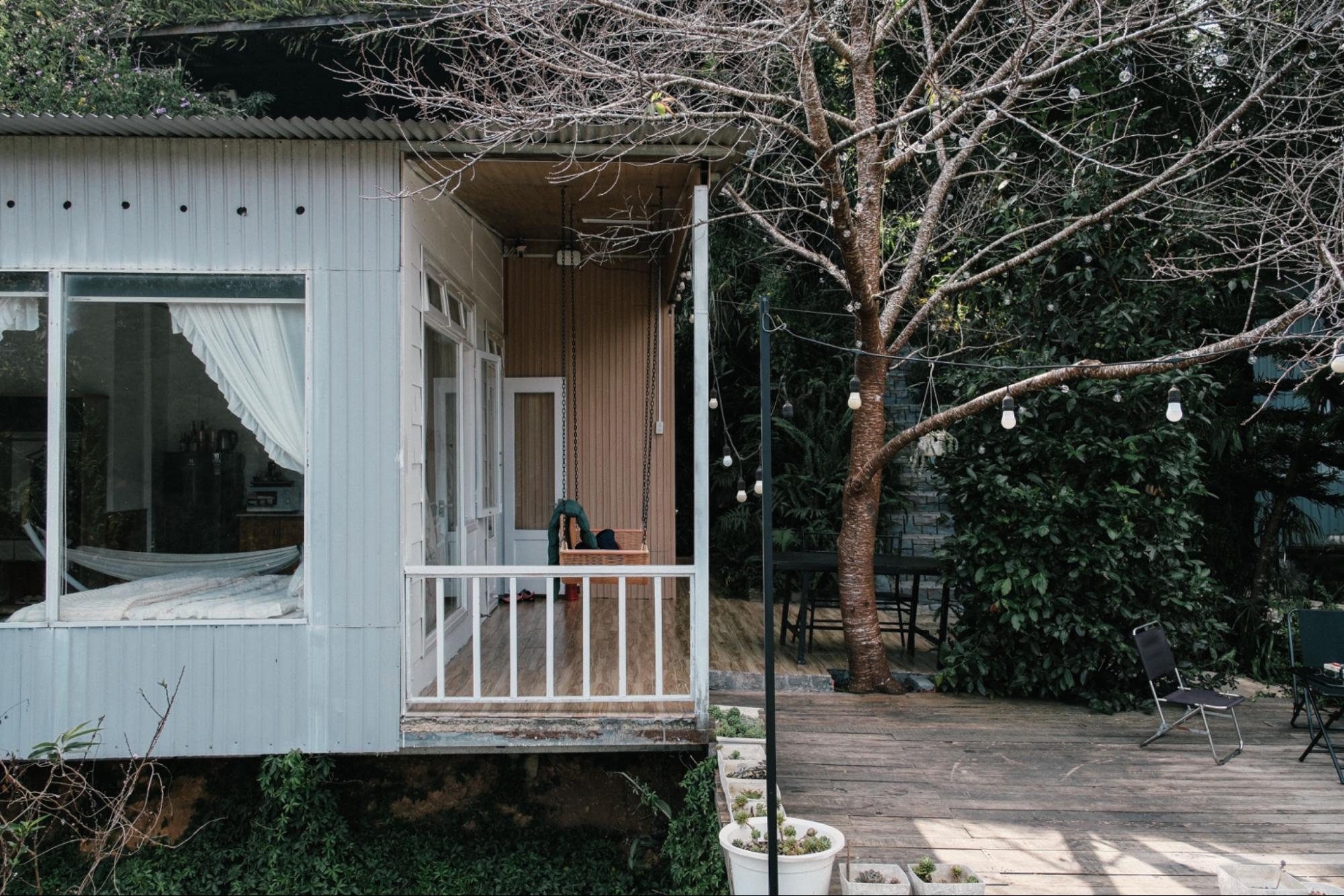
Prefab can make sense when the property is relatively straightforward. A flat backyard with generous access, uncomplicated utility connections, and enough room for delivery equipment is a much easier candidate for a factory-built unit than a steep hillside property.
Many prefab manufacturers offer a catalog of standardized models, commonly ranging from compact studios to larger one- or two-bedroom layouts. The exact sizes and configurations vary by manufacturer, but the basic tradeoff is consistent: the more standardized the product, the less freedom you generally have to alter it.
That can mean limited choices for:
- Floor plan configuration
- Exterior dimensions
- Window locations
- Rooflines
- Door placement
- Exterior materials
- Interior finishes
Delivery is another consideration. A modular or large panelized unit has to physically reach your property. Narrow streets, tight driveways, mature landscaping, overhead obstructions, steep grades, and neighboring structures can complicate transportation and crane placement.
That is particularly relevant for a prefab ADU in the Bay Area, where older neighborhoods often have compact lots and limited side-yard access. Prefab is therefore generally best suited to a lot where the standardized unit can be delivered and installed without major logistical complications.
What Is a Custom-Built ADU?
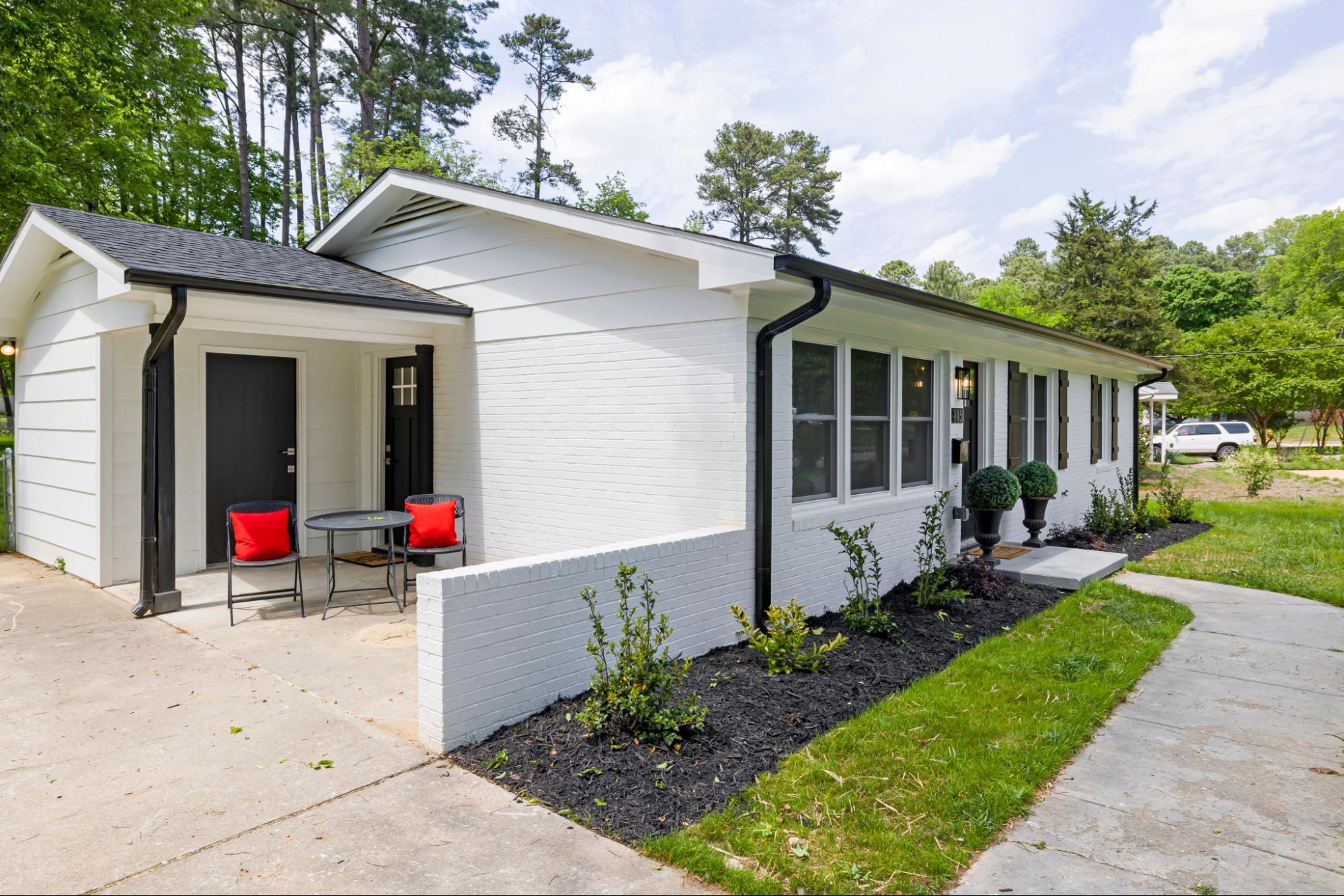
A custom-built ADU is constructed directly on your property, from architectural design and engineering through the foundation, framing, utilities, and finishes. Unlike a factory-built unit, you can tailor the design to your lot, layout needs, materials, and the style of your main home.
Pre-approved plans offer a middle ground. The local agency has already reviewed them, which can streamline permitting while the ADU is still built entirely on-site. They can be a practical option for homeowners who want a faster process without giving up site-specific construction.
Site-built ADUs are particularly useful on challenging Bay Area properties, including hillside lots in Los Gatos, narrow parcels in Palo Alto, and older San Jose neighborhoods with irregular setbacks.
Check your lot’s buildable area with Apex Homes’ feasibility study.
Cost and Timeline: What the Numbers Actually Show
Price and speed are often the biggest reasons homeowners consider prefab, but advertised numbers don’t always tell the whole story. In the Bay Area, site conditions, permitting, delivery, and utility work can significantly affect both the final cost and the overall timeline.
Cost Comparison
A prefab ADU cost can look lower upfront, with Bay Area estimates often falling around $150,000 to $350,000 installed. Site-built ADUs commonly range from about $250,000 to $400,000+, depending on size, finishes, and site conditions. These are third-party estimates, not fixed prices.
The important part is what “installed” includes. Transportation, crane work, site preparation, utilities, foundation work, and permits can add significantly to a prefab project’s final price. In some cases, those costs can reduce much of the initial savings.
For either option, compare the all-in project cost, not just a manufacturer’s starting price or base construction estimate.
Timeline Comparison
Prefab can be faster overall because much of the structure is built off-site. Current Bay Area estimates put prefab ADU projects at roughly 4-8 months, compared with about 6-12 months for typical site-built projects. These are planning ranges, not guarantees, and complex lots can take longer.
Site-built ADUs generally have a longer construction phase, but pre-approved plans can help reduce design and permitting time compared with a fully custom project.
In either case, the fastest installation does not necessarily mean the fastest overall project. For a closer look at the process, Apex Homes’ ADU construction guide covers the major stages from design through completion.
Design Flexibility and Site Fit
Prefab works best when your lot can accommodate a standard design and straightforward delivery. A site-built ADU offers more flexibility for working around slopes, narrow access, setbacks, existing structures, and other Bay Area lot constraints.
Long-Term Value and Resale
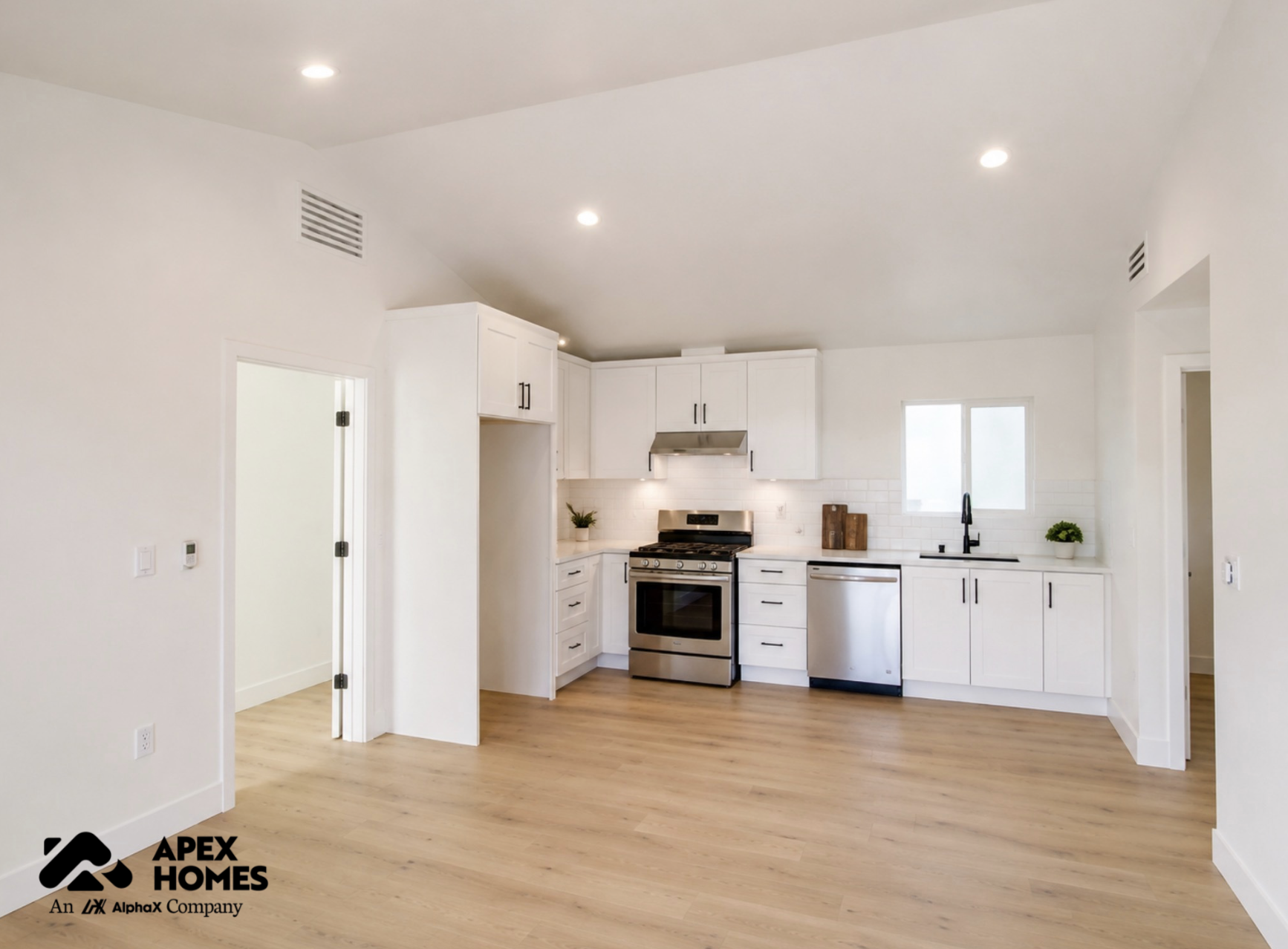
Construction type can also affect how appraisers and lenders view an ADU. Some industry sources note that site-built units with permanent foundations may be treated differently than certain factory-built units.
That does not mean every prefab ADU will appraise for less. It is also important not to confuse prefab ADUs with mobile or manufactured homes, which are separate housing categories with different standards and financing considerations.
Estimate your ADU’s ROI and property value increase with Apex Homes’ ROI calculator.
What This Means for Bay Area Homeowners
For a homeowner comparing a California prefab ADU with site-built construction, the lot itself may be the deciding factor.
Consider four questions:
How steep is the property?
A sloped lot may require grading, retaining walls, specialized foundation work, or other engineering. A standardized prefab unit may not be designed around those conditions.
How does construction equipment reach the backyard?
A unit can look perfect on paper and still be impractical if a truck or crane cannot reach the installation area.
What are the setbacks and existing structures?
The available building envelope may be smaller than the total backyard suggests. Existing garages, pools, trees, easements, and property lines can all affect where an ADU can go.
What will the utilities require?
Water, sewer, electrical, and other utility connections are project-specific. PG&E service requirements and local utility conditions can affect both cost and scheduling. The same applies to local sewer and water agencies.
City rules also matter. San Jose, Cupertino, Mountain View, Saratoga, and Campbell each have their own permitting processes and local conditions within California’s broader ADU framework. HCD maintains statewide ADU resources and reviews local ordinances for compliance with state law.
Climate and energy requirements matter too. California ADUs are subject to the state’s Energy Code, including requirements applicable to newly constructed detached ADUs.
For homeowners who determine that site-built construction is the better fit, Apex Homes builds site-built ADUs using pre-approved and custom plans, with design, permitting, and construction handled as part of its process. Apex Homes does not manufacture or install factory-built prefab units.
Which Should You Choose? A Quick Decision Framework
There is no universal winner in the prefab vs. custom-built ADU debate. Start with your property and priorities.
Choose factory prefab if:
- Your lot is relatively flat and easily accessible.
- A standardized floor plan meets your needs.
- Speed is a major priority.
- You are comfortable with limited design customization.
- The manufacturer’s all-in price remains competitive after site and delivery costs.
Consider site-built construction if:
- Your property is sloped or irregular.
- Access is narrow or difficult.
- Setbacks significantly constrain the building envelope.
- You want the ADU to complement your existing home.
- You need a highly specific layout.
- Site conditions make a standardized unit difficult to deliver.
Consider pre-approved site-built plans if:
- You want to reduce design and permitting time.
- You like an existing plan but need site-specific construction.
- You want the flexibility of building directly on your property.
The key is to compare complete project scopes rather than comparing a prefab catalog price against a custom construction estimate.
Let Your Lot Decide, Not the Marketing
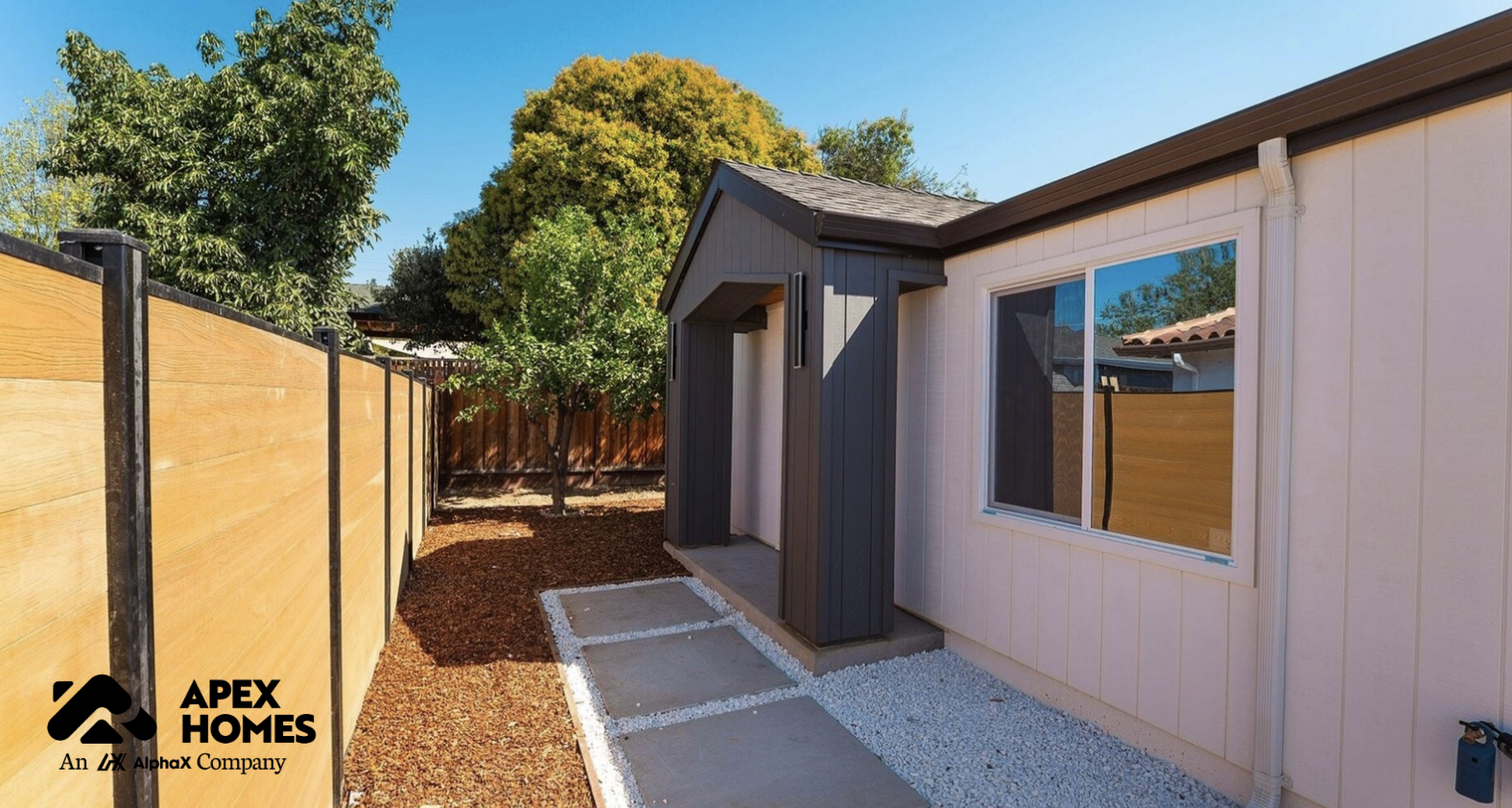
Prefab and custom-built ADUs are not simply two versions of the same product.
Prefab can offer factory-controlled production, standardized designs, and potentially faster installation. Site-built construction offers greater flexibility when the property presents challenges or when the homeowner wants a design tailored to the existing house and lot.
The “cheaper and faster” reputation of prefab can also become less clear once Bay Area realities enter the equation. Transportation, crane access, site preparation, utilities, permitting, and local site constraints can significantly change the final price and timeline.
For that reason, the smartest first step is not choosing a construction method. It is determining what your property can realistically support.
Once you understand your buildable area, access, setbacks, utilities, slope, and local requirements, you can compare prefab and site-built options on an apples-to-apples basis.
If you are researching the market further, Apex Homes’ guide on leading ADU builders in the Bay Area can provide additional context.
Book a free consultation with Apex Homes before choosing your ADU build method.