
Many California homeowners are now thinking about building an ADU on their property. An accessory dwelling unit can create rental income, add flexibility for a family, and increase long-term property value. But many homeowners start the ADU journey assuming they can build — only to run into zoning rules, site limitations, or utility surprises halfway through planning.
That’s where an ADU feasibility checker makes a real difference.
A simple feasibility assessment early in the process can save months of frustration, protect your budget, and help you avoid costly surprises before you spend money on design, engineering, or permits. It gives you an accurate understanding of what your property can support and what your ADU options actually look like.
This guide breaks down:
- What an ADU feasibility check includes
- Why it matters, and
- What Apex Homes reviews during a complimentary in-person consultation.
For California homeowners, especially in the Bay Area, it’s one of the easiest ways to get a clear picture before moving forward with an ADU project.
What Is An ADU Feasibility Check?
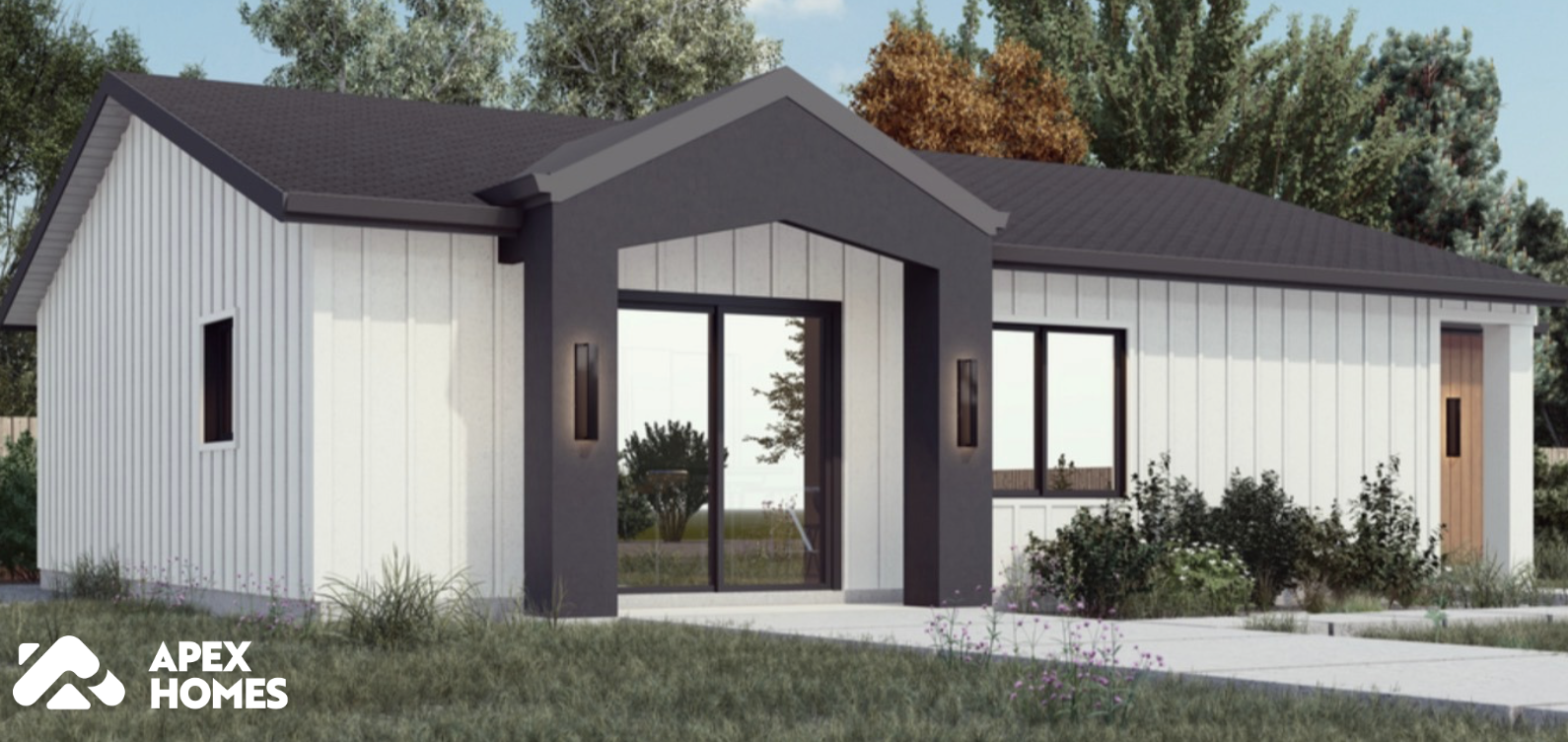
An ADU feasibility checker is a property-specific review that helps determine whether an accessory dwelling unit can be built on your lot and how.
Instead of guessing based on an online map or broad city rules, a feasibility check reviews your actual property data, site conditions, zoning regulations, and placement options. The goal is to confirm what’s possible before you commit to design plans or submit for a building permit.
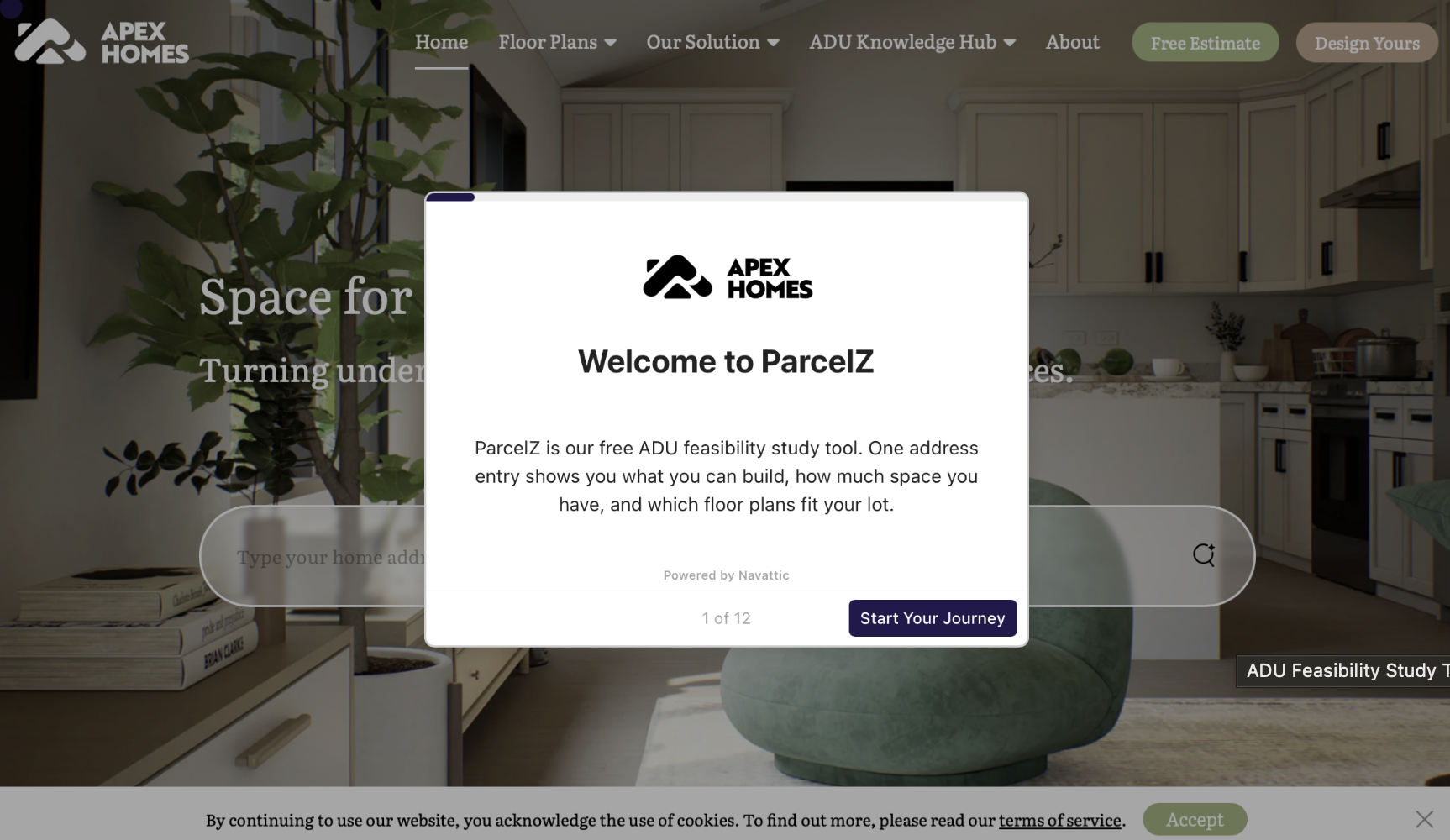
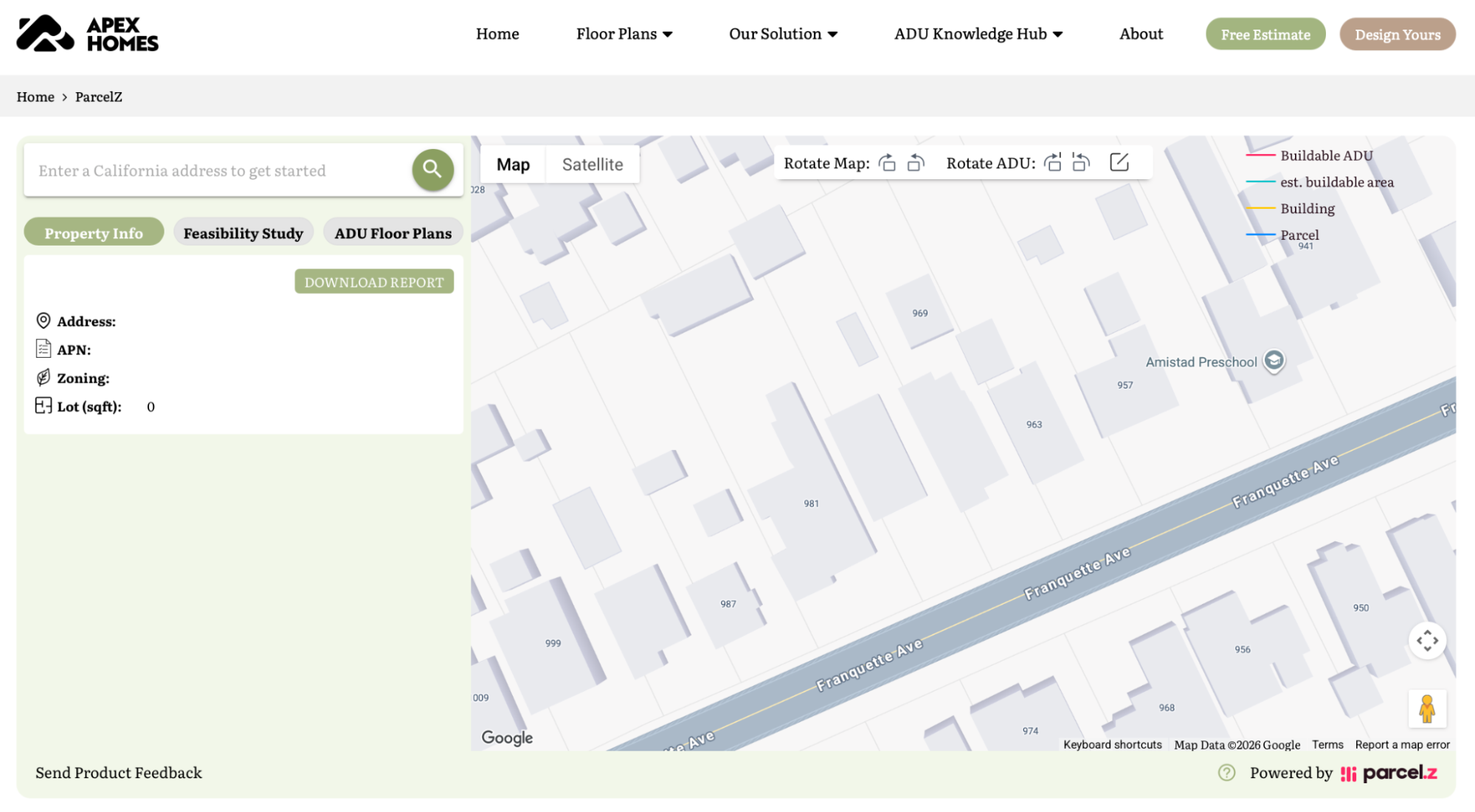
A reliable ADU feasibility checker gives homeowners a practical tool to review property data before building an ADU. That early feasibility assessment helps determine realistic placement options, confirm applicable zoning rules, and create a clear picture of project scope. With the right initial assessment, homeowners can plan confidently and avoid costly surprises later.
A proper ADU feasibility review typically helps homeowners answer:
- Can I build an ADU on my property?
- Which ADU type makes the most sense?
- Where can the unit be placed?
- Are there existing structures that affect placement?
- Will utility connections need upgrades?
- Are there local regulations beyond state law?
- What should I budget for construction, permits, and fees?
When homeowners have this information upfront, planning becomes much easier.
Feasibility Check Vs. Feasibility Study
These terms sound similar, but they’re not always the same.
An ADU feasibility study is typically a more formal, paid report. In California, these can range from roughly $2,500 to $7,500 depending on complexity, lot grading, surveys, and consultant involvement.
A feasibility check or initial assessment is usually earlier in the process. It focuses on the essentials:
- Property review
- Zoning check
- Site measurements
- Utility considerations
- ADU placement possibilities
- Potential challenges
For most homeowners in the early planning phase, that initial assessment is enough to determine whether moving forward makes sense.
That’s why Apex Homes offers a complimentary in-person feasibility consultation. You get practical answers on your actual property without paying upfront or committing to a project before you’re ready.
Why You Should Check Feasibility Before You Do Anything Else
A lot of homeowners begin with an ADU plan, a Pinterest board, or a rough budget.
But feasibility should come first.
Why? Because even when California strongly supports ADU development, every property is different. Lot size, utility access, grading, easements, and local jurisdiction requirements can affect whether a project gets approved and what construction costs may look like.
An early feasibility study helps homeowners:
- Identify property limitations
- Confirm buildable placement
- Estimate likely permit fees
- Review applicable zoning rules
- Understand utility requirements
- Set a realistic project scope
- Plan next steps with confidence
Without that review, homeowners can spend money on design or engineering only to find out they need major revisions later.
The Hidden Costs Of Skipping Feasibility
Skipping feasibility can create expensive surprises.
At the time this was written, common ADU-related utility upgrades and site corrections in California may include:
- Electrical panel upgrades: $3,000–$8,000+
- Sewer lateral work: $5,000–$15,000+
- Grading and drainage corrections: $5,000–$25,000+
- Mid-project redesign due to setbacks or easements: several weeks plus design fees
Here are some scenarios that homeowners may run into:
- A detached ADU placement looks ideal — until an easement cuts through the planned build area.
- A garage conversion budget seems manageable — until the electrical panel needs replacement.
- A small backyard appears workable — until setback rules reduce buildable space.
These are exactly the costly surprises an ADU feasibility checker helps avoid.
What An ADU Feasibility Check Covers
Think of this as a practical checklist. If you’re reviewing builders, these are the areas worth asking about.
Zoning And Land Use
California law generally favors ADU development, and many residential properties qualify.
But zoning rules still matter.
Your jurisdiction may have additional requirements tied to:
- Coastal overlays
- Historic districts
- Fire hazard zones
- Flood zones
- Hillside regulations
- HOA considerations
A proper ADU zoning check should review:
- Parcel zoning
- Property address
- Lot designation
- Applicable local ordinances
- Jurisdiction-specific review requirements
The goal is to confirm eligibility and identify limitations before permits are submitted.
Lot Size, Setbacks, and Buildable Area
Physical dimensions matter.
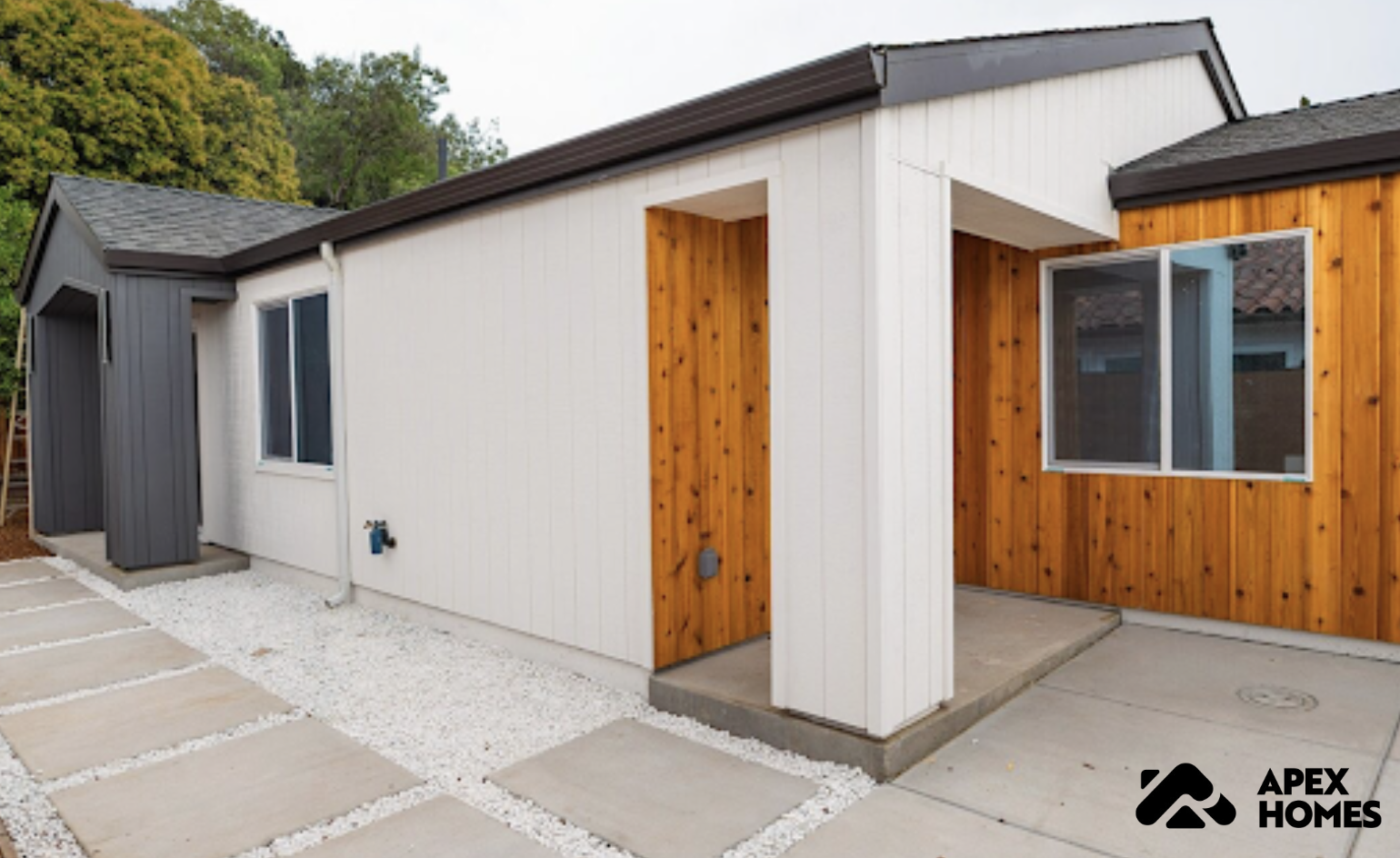
California generally requires at least 4-foot side and rear setbacks for detached ADUs.
Height limits vary by city.
Examples include:
- Palo Alto: detached ADUs commonly capped around 16 feet, depending on conditions
- San José: some second-story ADUs may allow up to 24 feet
Lot coverage matters too.
A smaller Bay Area property may technically qualify, but existing structures, driveway requirements, or open-space constraints can affect placement options.
A feasibility report should assess:
- Lot size
- Property lines
- Existing building footprint
- Required setbacks
- Height limits
- Access requirements
- Available buildable area
Utility Connections and Site Conditions
This is where budgets often shift.
An ADU project may require review of:
- Sewer
- Water
- Gas
- Electrical connection
- Drainage
- Utility access
Then site conditions:
- Slope
- Grading
- Soil access
- Tree locations
- Existing structures
- Easements
These details influence both feasibility and cost.
For instance, a steep lot may still work, but construction costs and timeline could change. A detached unit may fit physically, but utility routing could affect placement.
A strong ADU feasibility assessment connects site realities to actual budget planning.
ADU Type and Placement Options
Once zoning and site conditions are reviewed, the next step is identifying what fits best.
Possible ADU options include:
- Detached ADU
- Attached ADU
- Garage conversion
- JADU
The best choice depends on:
- Primary residence layout
- Existing structures
- Utility access
- Budget
- Placement
- Future goals
Apex Homes reviews this on-site not only through software or property map data. That hands-on review often gives homeowners a much clearer picture.
Schedule your free Apex Homes consultation and site visit to review your property and get realistic placement recommendations before moving forward.
What Apex Homes Checks During A Free Site Visit
This is where Apex Homes stands apart.
While many builders charge for an ADU feasibility report cost upfront, Apex Homes offers a complimentary in-person consultation for California homeowners.
What The Visit Includes
A typical site visit includes:
- Property measurements
- On-site feasibility assessment
- Zoning and setback review
- Utility connections review
- Existing structures review
- Grading and site condition observations
- ADU placement recommendations
- Discussion of potential challenges
- Budget and project scope conversation
- Timeline expectations and next steps
Most visits take 1–2 hours. By the end, homeowners usually leave with:
- A clearer understanding of what’s possible
- Better budget visibility
- A practical path forward
- Fewer unknowns
That kind of early planning matters.
Apex Homes’ Pre-Approved Plans Advantage
Another major advantage: Apex Homes offers pre-approved ADU plans recognized in 10 California cities, including:
- San Jose
- Cupertino
- Mountain View
- Santa Clara
- Palo Alto
For qualifying properties, this can shorten permit timelines significantly.
Instead of the standard 6–9 months wait many homeowners face for reviews and approvals, eligible projects may move through the process much faster.
Apex Homes also completed California’s first AB 1033 condo conversion, giving homeowners an experienced design team with a deep understanding of evolving ADU regulations.
That combination helps reduce friction and creates a smoother path to approval.
What Happens After Feasibility Is Confirmed?
Once feasibility is confirmed, the project feels much more manageable. Instead of uncertainty, homeowners now have a roadmap.
The Path From Site Visit To Move-In
Apex Homes typically guides homeowners through:
- Step 1: Free consultation. Review site conditions and feasibility.
- Step 2: Custom plans. Select a pre-approved ADU plan or customize based on property needs.
- Step 3: City approvals. Submit plans, review permits, and respond to jurisdiction comments.
- Step 4: Quality build. Construction begins with licensed contractor oversight.
- Step 5: Final walkthrough. Confirm details, inspections, and project completion.
This structure makes the process feel practical instead of overwhelming.
Check out the Apex Homes website to see how this process works.
Connecting Feasibility To ROI
Once feasibility is clear, the financial side becomes easier to estimate, and rental income becomes more concrete.
At the time of writing, San Jose ADU rents commonly fall around:
- 1-bedroom ADUs: $1,900–$2,700/month
2-bedroom ADUs: $2,700–$4,300/month
That potential income helps homeowners evaluate:
- Budget
- Construction costs
- Financing
- Timeline
- Long-term ROI
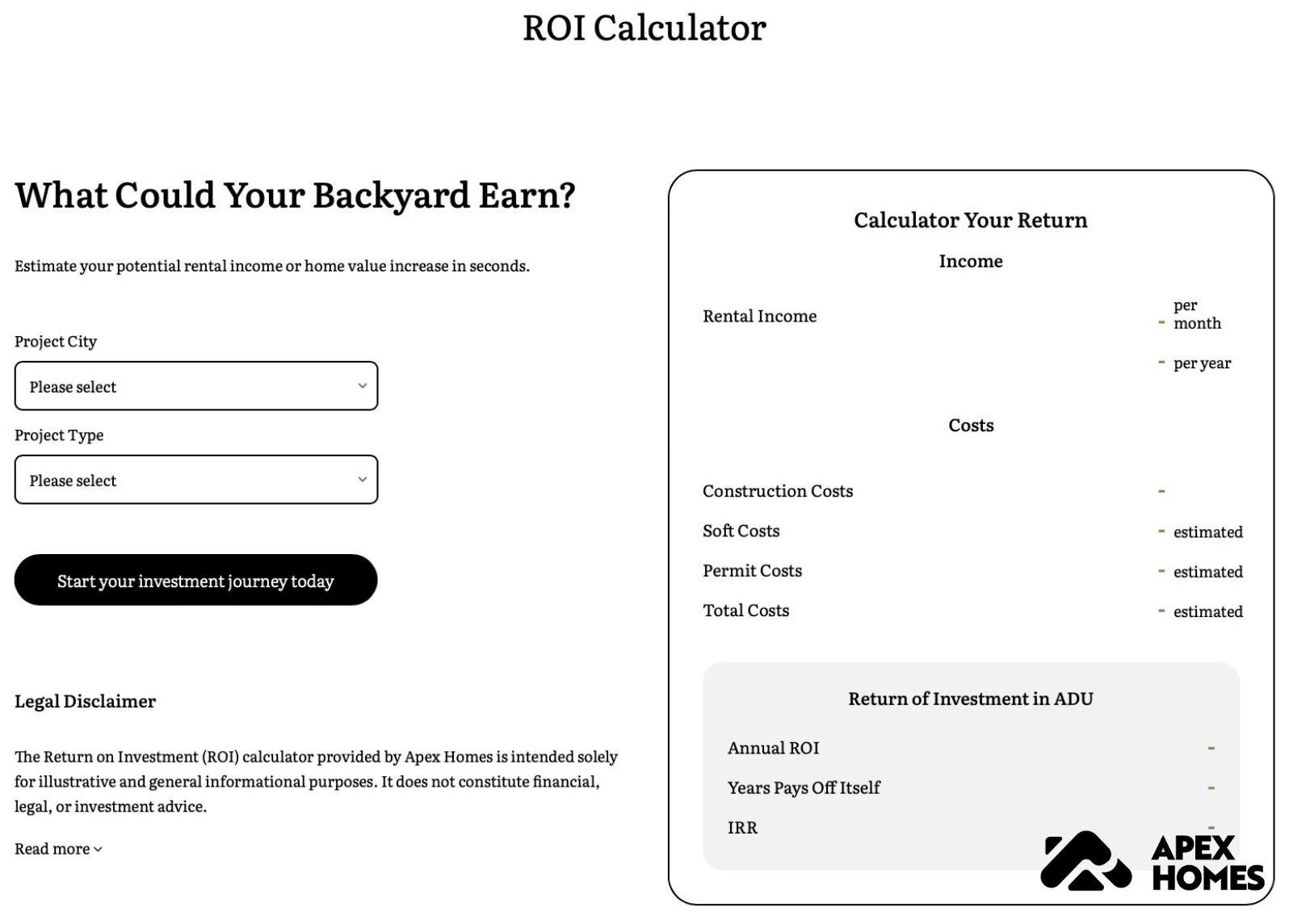
Apex Homes’ ROI calculator can help estimate rental potential and compare ADU possibilities based on your property.
Calculate your estimated ADU ROI with Apex Homes and see what your project could generate.
 </a.
</a.A Feasibility Check Is The Best Place To Start
A feasibility check is often the single most important step before building an ADU.
It protects your budget, helps avoid costly surprises, and gives you an accurate understanding of your property. It also clarifies what’s possible before design or permits begin.
For California homeowners — especially in the Bay Area — Apex Homes makes this first step easier with a complimentary in-person consultation that includes a practical review from a licensed professional with real ADU experience.
If you’ve been asking, “Can I build an ADU on my property?”, this is the right place to begin.
Schedule your free estimate with Apex Homes and get a clear, property-specific feasibility assessment before moving forward.