
Building an accessory dwelling unit (ADU) in California involves more than choosing a floor plan and getting a building permit. Your project also has to meet the state’s energy-efficiency rules under Title 24.
For Bay Area homeowners, that can mean navigating climate-zone requirements, energy modeling, solar rules, and PG&E timelines at the same time.
The good news is that Title 24 does not have to become another source of project delays. When energy compliance is addressed during design and permitting, it can be built into the project from the beginning.
What is Title 24 and Does It Apply to Your ADU?
Title 24 is California’s collection of building standards. Part 6, known as the California Energy Code, establishes energy-efficiency requirements for new and altered buildings. The California Energy Commission (CEC) updates these standards on a regular cycle.
For ADU projects, Title 24 requirements can apply to the following:
- Building envelope
- Windows
- HVAC
- Water heating
- Lighting
- Ventilation, and
- Solar energy systems
There are also differences depending on the type of ADU that you will build. For example:
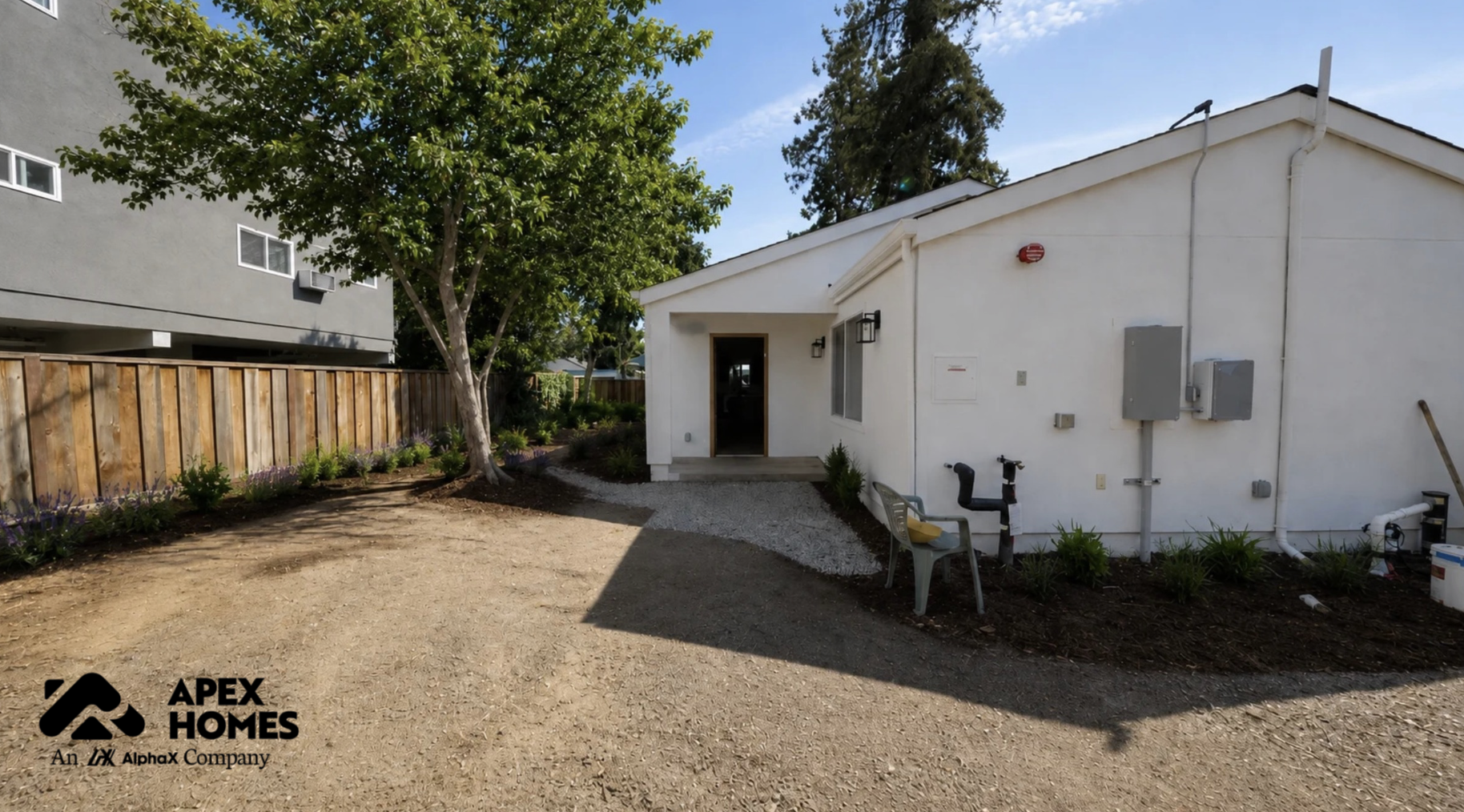
- Detached ADU: This is generally treated as new construction for energy-code purposes and must meet the applicable Title 24 standards for its climate zone.
- Garage conversion: Since this is an alteration to an existing structure rather than an entirely new building, it follows different energy requirements, depending on the scope of the work and what components are being replaced or added.
That distinction matters because the requirements for a new detached ADU should not automatically be applied to every ADU project. The exact requirements also depend on the building’s characteristics, location, and the compliance approach used for the project.
Key Title 24 Requirements for ADUs
The easiest way to understand Title 24 ADU requirements is to look at the major building systems affected by the energy code.
Insulation (Climate-Zone Specific)
California divides the state into climate zones because buildings in different regions have different heating and cooling needs.
Most of the Bay Area falls within Climate Zones 3 and 4. This matters when determining the applicable envelope requirements for an ADU.
Insulation requirements vary by building component and climate zone. Depending on the assembly and design, prescriptive insulation values can range from approximately R-30 to R-49 or higher in some applications.
The point is not simply to add as much insulation as possible. The plans need to specify the right insulation levels and assemblies for the property’s location and the compliance path being used.
That is one reason a Title 24 calculation should happen during design rather than after the plans are already finished.
Windows, Doors, and HVAC
Windows and glazed doors have to meet energy-performance thresholds, including U-factor and solar heat gain coefficient (SHGC) requirements.
U-factor measures how readily heat passes through a window. SHGC measures how much solar radiation enters through the glazing. The applicable limits depend on the climate zone and the specific window configuration.
Heating, ventilation, and air-conditioning systems also factor in. California’s current energy code increasingly favors efficient electric systems, particularly heat pumps.
For projects designed under the 2025 Energy Code, which took effect January 1, 2026, heat pump water heating is a key part of the prescriptive compliance framework. Other project-specific options may be available depending on the building design and compliance method.
This is one area where homeowners should avoid relying on generic ADU checklists. The equipment that makes sense for one property may not be the best fit for another.
Lighting and Ventilation
Title 24 also addresses lighting efficiency and controls.
New ADUs generally use high-efficacy lighting, such as LED fixtures, along with controls appropriate for the space. These requirements reduce unnecessary energy use without making the home less comfortable.
Ventilation is another consideration. Tightly sealed, energy-efficient homes still need adequate fresh-air circulation. Mechanical ventilation requirements are generally tied to California’s residential ventilation provisions, including standards based on ASHRAE 62.2.
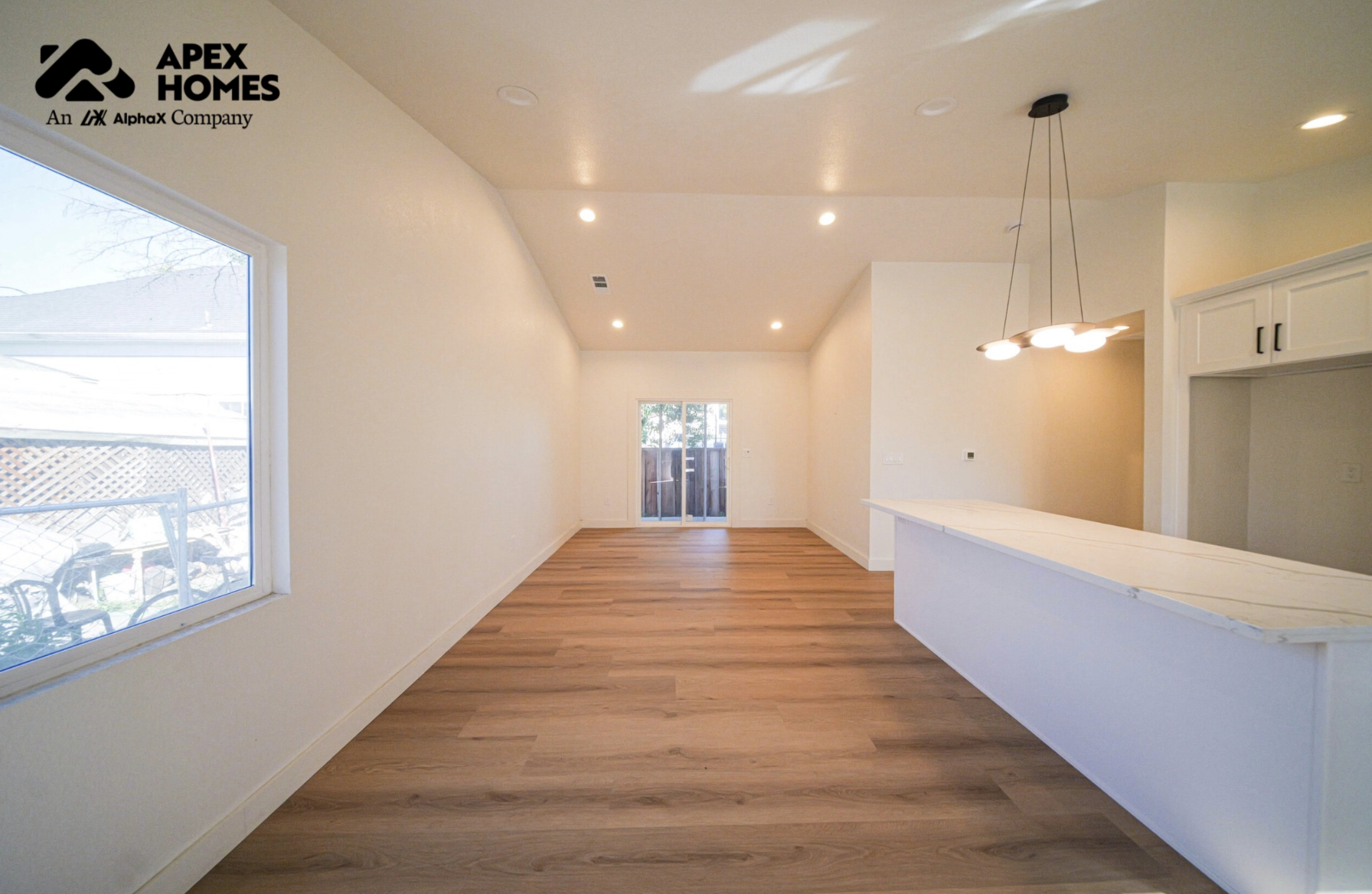
In practical terms, your ADU needs to be energy efficient without becoming poorly ventilated or uncomfortable.
Solar PV Requirement
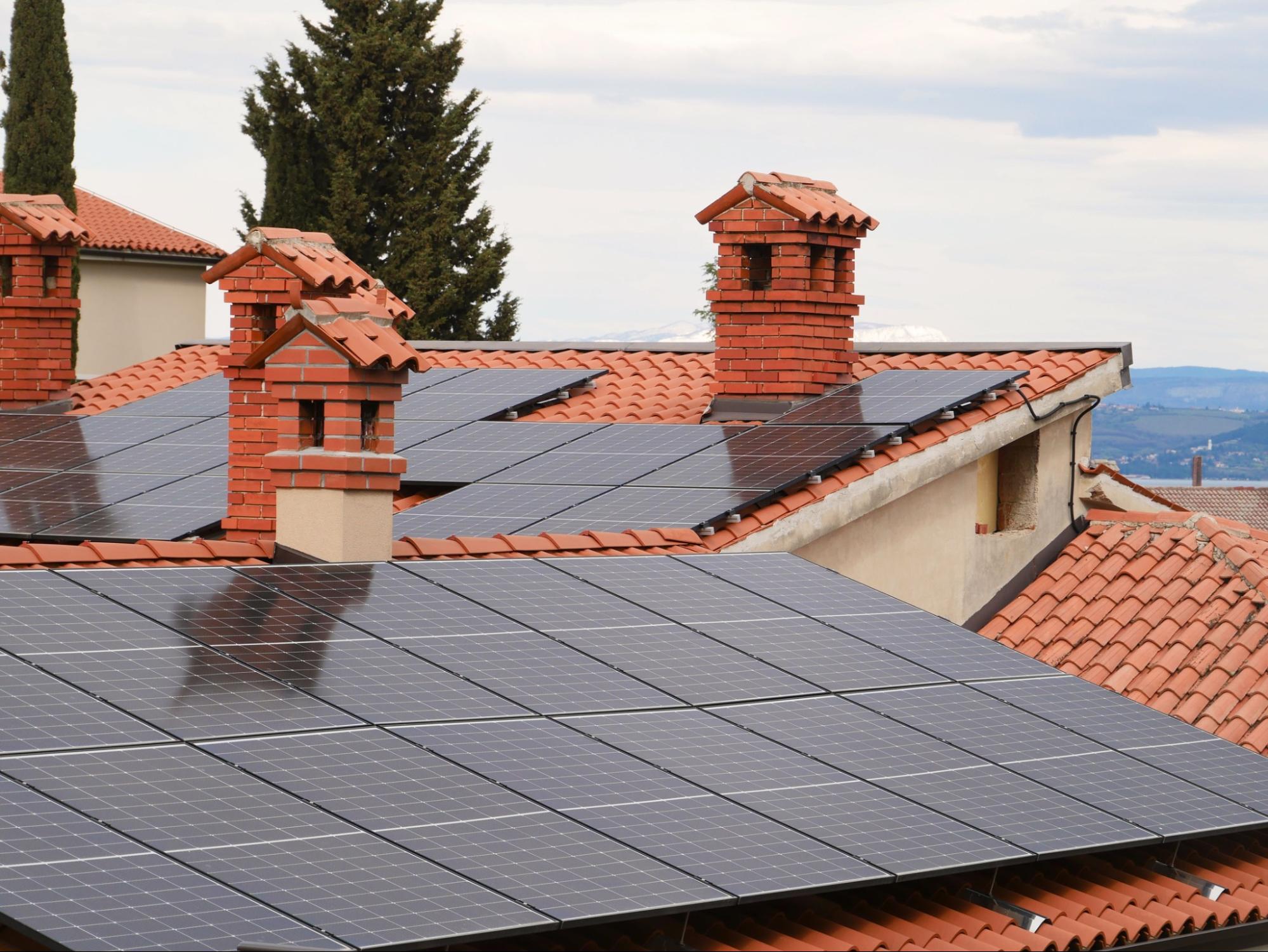
Solar is one of the Title 24 topics homeowners ask about most. For many newly constructed detached ADUs, photovoltaic (PV) systems are part of the prescriptive energy requirements. However, there are exceptions and alternative compliance provisions.
For example, certain garage conversions and projects with qualifying site or roof conditions may qualify for an exemption. There are also provisions related to small PV systems, including systems below certain capacity thresholds, and situations involving shading or other site constraints.
The details matter. A statement such as “every ADU needs solar” is too broad, just as “garage conversions never need solar” can be misleading.
Your project’s Title 24 calculations determine whether PV is required and, if so, what system size is appropriate. If you’re planning an ADU in the Bay Area, it’s worth addressing solar early rather than treating it as an add-on at the end of the process.
See what your property’s Title 24 obligations actually look like with Apex Homes’ free feasibility study
Compliance Paths: Prescriptive vs. Performance Method
California generally gives builders two main ways to demonstrate energy-code compliance:
- Prescriptive method: This is more straightforward. The project follows a defined set of requirements for components such as insulation, windows, HVAC, water heating, lighting, and other systems.That simplicity can make prescriptive compliance easier to understand, but it also gives the designer less flexibility. Changing one component may not provide much room to compensate elsewhere.
- Performance method: In this method, instead of requiring every component to meet a fixed checklist, the building is modeled as a whole. The energy performance of the proposed design is compared against the applicable standard design. This can allow trade-offs. For example, a project may be able to use one higher-performing component to offset another design choice while still meeting the overall energy target.
Performance modeling is particularly useful when designing ADUs where space, cost, orientation, windows, HVAC systems, and solar all have to work together. For its ADU projects, Apex Homes uses the performance approach to coordinate these requirements as part of the overall design process.
What Title 24 Compliance Actually Costs
Title 24 costs vary by ADU size, design, and required energy upgrades, but these figures provide a useful starting point:
- CF1R energy report: can start at approximately $150-$300
- HERS testing: typically bundled into the builder’s estimate
- Insulation upgrades: approximately $1,000-$2,000
These are planning ranges, not fixed California fees. Your actual costs may vary depending on the project’s design and compliance path.
The key is to account for Title 24 early. If you address energy requirements only after plans are complete, required changes can lead to redesigns, equipment upgrades, or added construction costs.
Apex Homes includes solar and Title 24 compliance in its milestone-based pricing for applicable projects, helping homeowners avoid unexpected compliance costs later.
Why Bay Area Homeowners Hit Different Title 24 Snags
Title 24 applies statewide, but the process surrounding an ADU can look very different in the Bay Area. One reason is the relationship between energy compliance and utility coordination.
PG&E Timing Can Affect the Bigger Picture
For Bay Area homeowners, Title 24 compliance for an ADU does not end with the energy report. If solar is required, the system must also move through PG&E’s interconnection process.
Running Title 24 solar sizing and the PG&E application in parallel with permitting can help prevent utility coordination from becoming a last-minute delay. Apex Homes begins preparing the PG&E application before permits are finalized, allowing the utility process to move forward as soon as approvals are in place.
Apex Homes’ parent company, AlphaX RE Capital, also has a working relationship with PG&E’s Service Planning & Design team, a collaboration that PG&E has publicly recognized.
Pre-Approved Plans Can Reduce Redesign Risk
Permit revisions can affect more than architectural drawings. Changes may also require updates to energy calculations, equipment, or other Title 24 California requirements. While site-specific review is still required, starting with plans that have already passed local review can reduce unnecessary redesign.
One Team Can Simplify Compliance
Title 24 ADU requirements involve design, energy efficiency, solar, and permitting. Managing these through separate vendors can create coordination gaps. When one change affects another part of the project, having one team manage the details can help keep the plans, approvals, and construction timeline aligned.
How Apex Homes Handles Title 24 for You
Title 24 compliance should be part of the ADU design process, not something homeowners discover after choosing a floor plan. Apex Homes approaches it as part of the project from the beginning.
Pre-Approved Plans Built for Compliance
Apex Homes starts with pre-approved ADU plans, particularly in the Bay Area, then evaluates the property-specific requirements before moving forward. This helps reduce the risk of designing a project around a plan that later needs substantial changes.
Solar Sized for the Property
Solar requirements are not simply a matter of putting panels on the roof. System sizing has to account for the project’s energy design, climate zone, roof conditions, and applicable Title 24 provisions.
See how included solar could affect your ADU’s return with the Apex Homes’ ROI Calculator.
In-House Permitting
Apex Homes also manages permitting internally rather than leaving homeowners to coordinate separate teams for design, energy compliance, and approvals. That matters in the Bay Area, where permitting and utility timelines can overlap.
The goal is simple: identify the requirements early, coordinate the moving parts, and avoid turning compliance into a mid-project surprise.
Ready to Build an ADU Without the Title 24 Guesswork?
Title 24 is mandatory for applicable ADU projects, but it does not have to be the part of the process that causes delays or unexpected costs.
For Bay Area homeowners, the key is addressing energy requirements, solar, climate-zone considerations, and PG&E coordination before construction begins.
A builder that understands those requirements from the start can turn Title 24 from a hurdle into a planned part of the project.
Start with Apex Homes’ free estimate to see what Title 24 requirements, solar obligations, permitting considerations, and site conditions actually mean for your property.