
If you’re a California homeowner considering a small backyard dwelling, you’re probably comparing a tiny home with an accessory dwelling unit (ADU).
They can look almost identical from the outside, but the legal and financial implications are often very different. For Bay Area homeowners, the right choice starts with knowing what your property can legally accommodate, not just what fits your budget.
Tiny Homes vs. ADUs: What’s The Difference?
The biggest misconception is that a tiny home and an ADU are the same thing. They’re not.
“Tiny home” describes a small housing product. “ADU” describes a legally recognized secondary dwelling that must meet specific requirements.
The California Department of Housing and Community Development (HCD) notes that “tiny home” is an industry term that can refer to different types of structures and vehicles. If a tiny home meets the state’s definition of an ADU, it falls under California ADU law.
An ADU can be detached, attached to the primary residence, or created by converting existing space, and it must generally include permanent provisions for living, sleeping, eating, cooking, and sanitation.
So when weighing tiny homes vs. accessory dwelling units, don’t start with square footage or style. Start with your property’s zoning, the structure’s legal classification, how it will be installed, and whether it can legally be occupied as a dwelling.
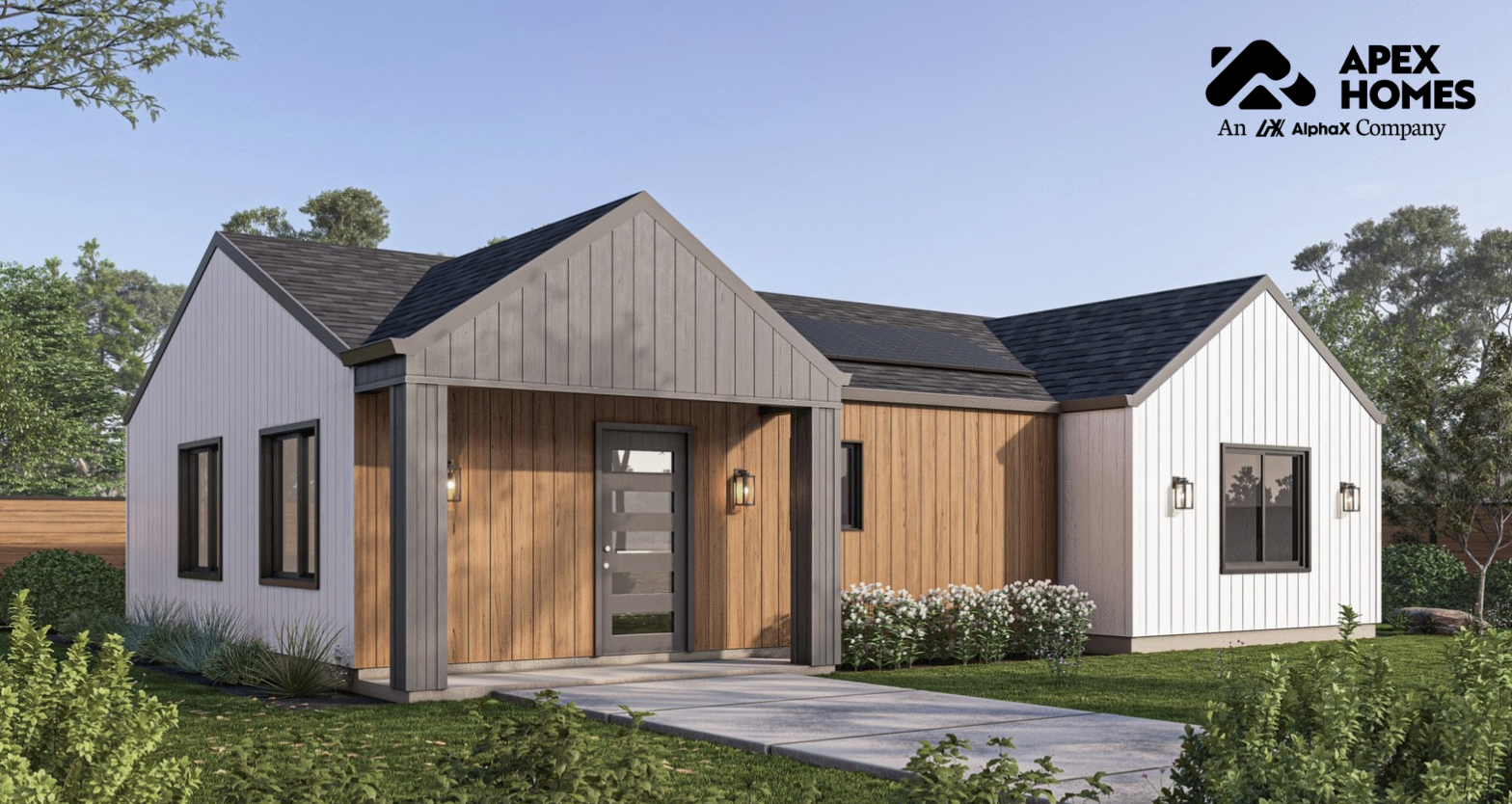
Are Tiny Homes Legal in California?
Yes, some tiny homes can be legal in California, but you shouldn’t assume you can buy one and simply place it in the backyard.
The HCD explains that structures marketed as tiny homes need appropriate state or local approval before they can be occupied.
Depending on how they’re built and installed, they may need to qualify as an RV, park trailer, manufactured home, factory-built housing, or site-constructed dwelling. That classification is exactly where the tiny home vs. ADU distinction starts to matter.
Tiny Homes on Wheels vs. Permanent Tiny Homes
A tiny home on wheels is structurally different from a permanent dwelling.
A wheeled unit built on a chassis with axles may fall under regulations for recreational vehicles or park trailers; the HCD describes one category as a chassis-based structure of 400 square feet or less that qualifies as an RV, certified coach, or park trailer approved for its intended location and use.
A permanent tiny home built without a chassis and fixed to a foundation must instead comply with the California Building Standards Code or factory-built housing requirements.
Wheels don’t automatically make a structure illegal, and removing them doesn’t automatically make it an ADU. Classification, construction standards, installation, zoning, and intended use all matter.
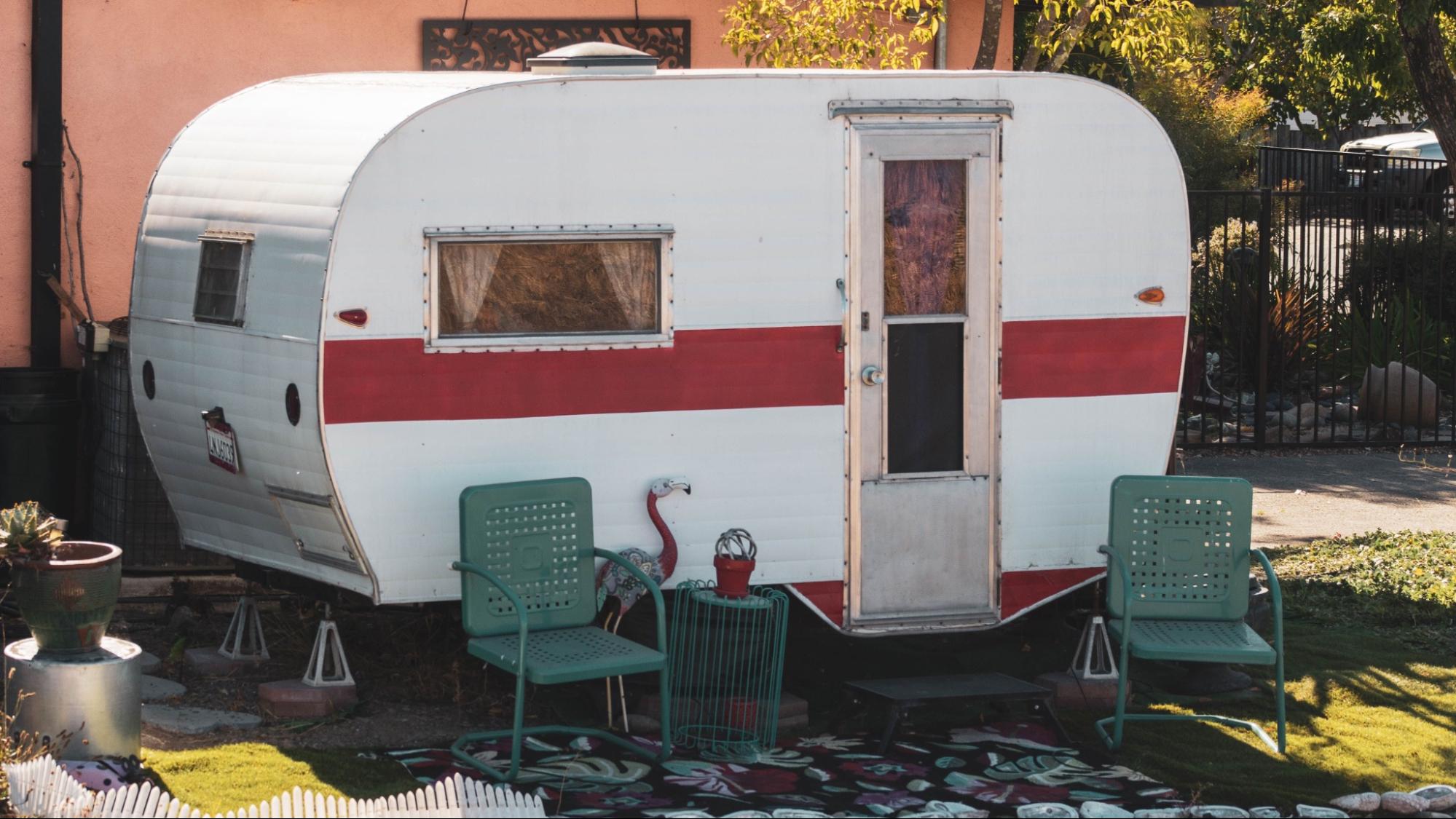
Photo: Robert So (Pexels)
Can a Tiny Home Be An ADU?
Potentially, yes. California’s 2026 ADU Handbook states that tiny homes can be considered ADUs, since the term covers different structures, and if a unit meets the state’s ADU definition, it’s subject to ADU law. But not every tiny home qualifies.
The HCD has reviewed local ordinances involving tiny homes on wheels and reiterated that an ADU must comply with the Building Standards Code or qualifying manufactured-home standards.
Verify your city’s requirements before buying a tiny home, not after. Find out what’s possible on your property with Apex Homes’ feasibility study.
Tiny Homes vs. ADUs: How Do They Compare?
Here’s a practical side-by-side look at how a tiny home and an ADU stack up.
| FACTOR | TINY HOME | PERMANENT ADU |
| Legal classification | Varies based on construction and use | Defined secondary dwelling under California ADU law |
| Permitting | Depends on the structure or installation | Subject to ADU and building permit requirements |
| Permanence | May be movable or permanent | Generally a permanent property improvement |
| Foundation | May have wheels/chassis or permanent foundation | Typically constructed or installed as a permanent dwelling |
| Mobility | Some models are designed to move | Not designed as a movable dwelling |
| Building codes | Depends on classification | Must meet applicable dwelling/building requirements |
| Utilities | Varies by structure and installation | Designed for permanent utility connections |
| Size | Often marketed as very compact | Subject to state and local ADU rules |
| Rental potential | Depends heavily on legal status and local rules | Can generally be used as a long-term rental if legally permitted |
| Insurance | Depends on classification | Generally treated as a permanent residential improvement |
| Financing | Options vary significantly | May qualify for financing tied to the property or construction |
| Resale | Depends on legal status and ownership structure | Can contribute to the overall property and its utility |
| Property value | Not automatically increased | Potential value impact depends on the property and market |
How Much Does a Tiny Home vs. ADU Cost?
In California, a finished tiny home typically runs $25,000 to $200,000, while a permitted detached ADU commonly costs $205,000 to $440,000, with Bay Area projects often landing toward the higher end due to labor, permitting, and site work.
Don’t compare those numbers at face value. A tiny home’s sticker price may not include delivery, site prep, utilities, permits, or installation, while an ADU’s construction budget typically already accounts for the work required to create a permanent, permitted dwelling.
Tiny Home Costs
Budget beyond the purchase price for delivery, site work, utilities, and approvals, and confirm the structure can legally be used as intended on your property.
ADU Costs
A permanent ADU costs more upfront because you’re building a permitted residential structure. Apex Homes’ pre-approved plans, in-house permitting, and pricing can help you understand and manage costs before construction starts.
Calculate your potential ADU ROI with Apex Homes’ ROI Calculator.
Financing a Tiny Home vs. Financing an ADU
Financing looks very different depending on how the structure is classified.
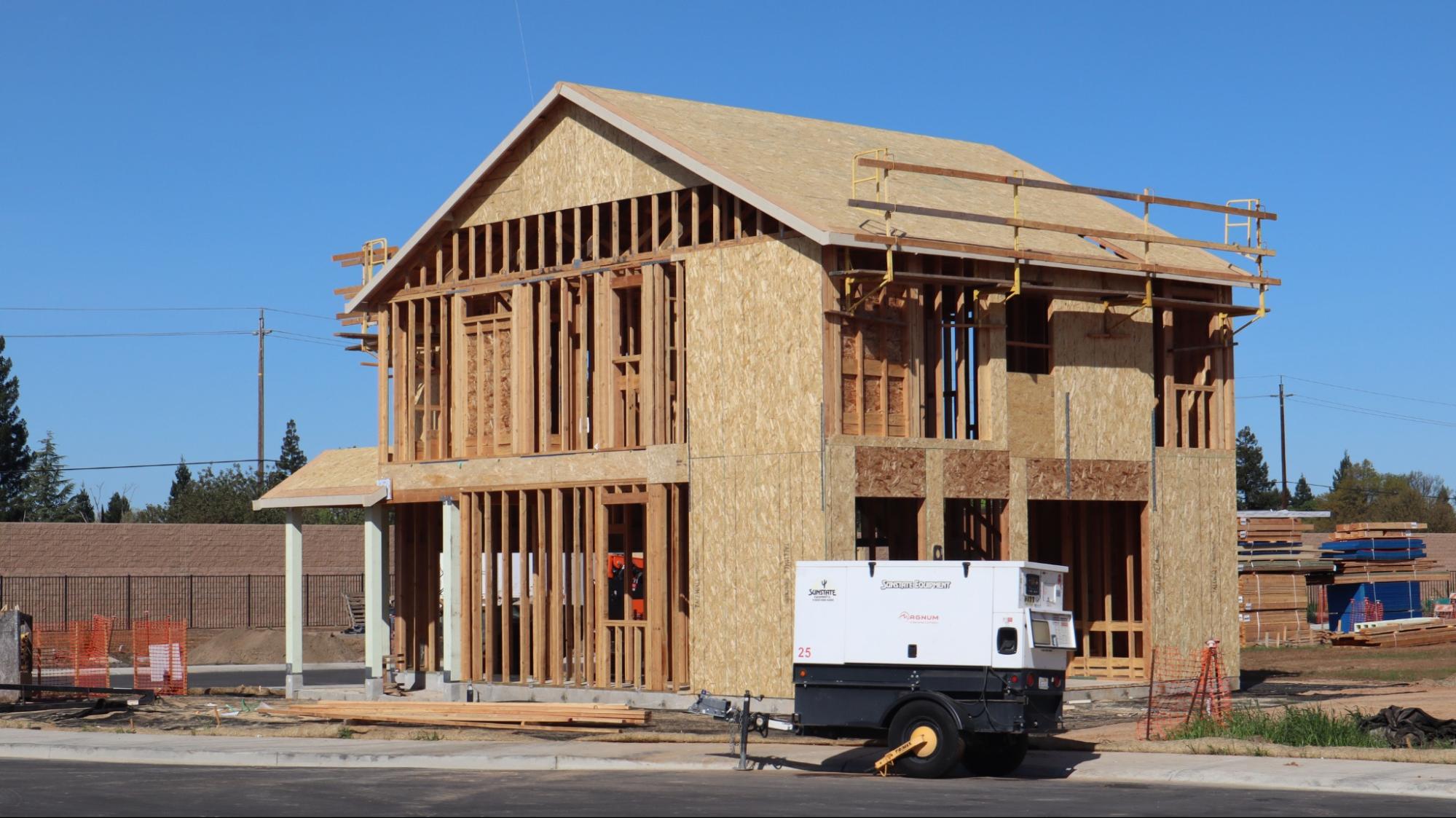
Photo: D Goug (Pexels)
Financing a Tiny Home
A mobile tiny home isn’t financed like a permanent improvement. Options depend on whether it’s classified as an RV, manufactured home, or factory-built housing, plus your credit profile and the unit’s legal status.
Ask lenders about the specific structure before assuming a conventional mortgage or home-improvement loan applies.
Financing a Permanent ADU
A permitted ADU, as part of the underlying real property, is often treated differently. Cash, home-equity financing, and construction financing are common approaches, though eligibility, rates, and underwriting vary by lender and borrower.
Apex Homes works with banking partners to help homeowners explore options, but confirm current terms directly with your lender.
Does a Tiny Home Add Value to a Bay Area Property?
Adding a small structure isn’t automatically the same as adding recognized residential value.
How Legal Status Can Affect Property Value
A permitted dwelling and an unpermitted structure carry very different weight at resale.
If a structure can’t legally be used as a residence, buyers, lenders, insurers, and appraisers may not treat it the same as a permitted dwelling, and the HCD has noted that non-compliant tiny homes can face enforcement actions restricting occupancy and use.
Spending $100,000 on a backyard structure doesn’t automatically add $100,000 in property value.
How a Permanent ADU Can Add Utility to a Property
A legal ADU offers something a non-permitted structure can’t: recognized secondary living space with permitted residential use, whether that’s housing family, a guest space, long-term rental income, or aging in place. The HCD itself identifies ADUs as a way to add housing and a potential income source for homeowners.
What About Resale and Appraisal
No universal percentage increase applies to every California ADU.
Appraisers consider a property’s individual characteristics and available market evidence. Fannie Mae, a major source of mortgage financing guidelines in the U.S., provides appraisal guidance that recognizes different approaches to determining a property’s value depending on the property and assignment.
Legal status, construction quality, location, comparable sales, and how buyers perceive the added space can all matter.
If you’re weighing an ADU vs. tiny home as an investment, look beyond construction cost and consider what the finished, permitted property may be worth.
When Does a Tiny Home Make Sense?
A tiny home can make sense when mobility, compact living, or a specific approved use matters more than building a permanent residential asset, as long as you’re clear on its legal classification, permits, utilities, insurance, and financing before you buy.
When Does a Permanent ADU Make Sense?
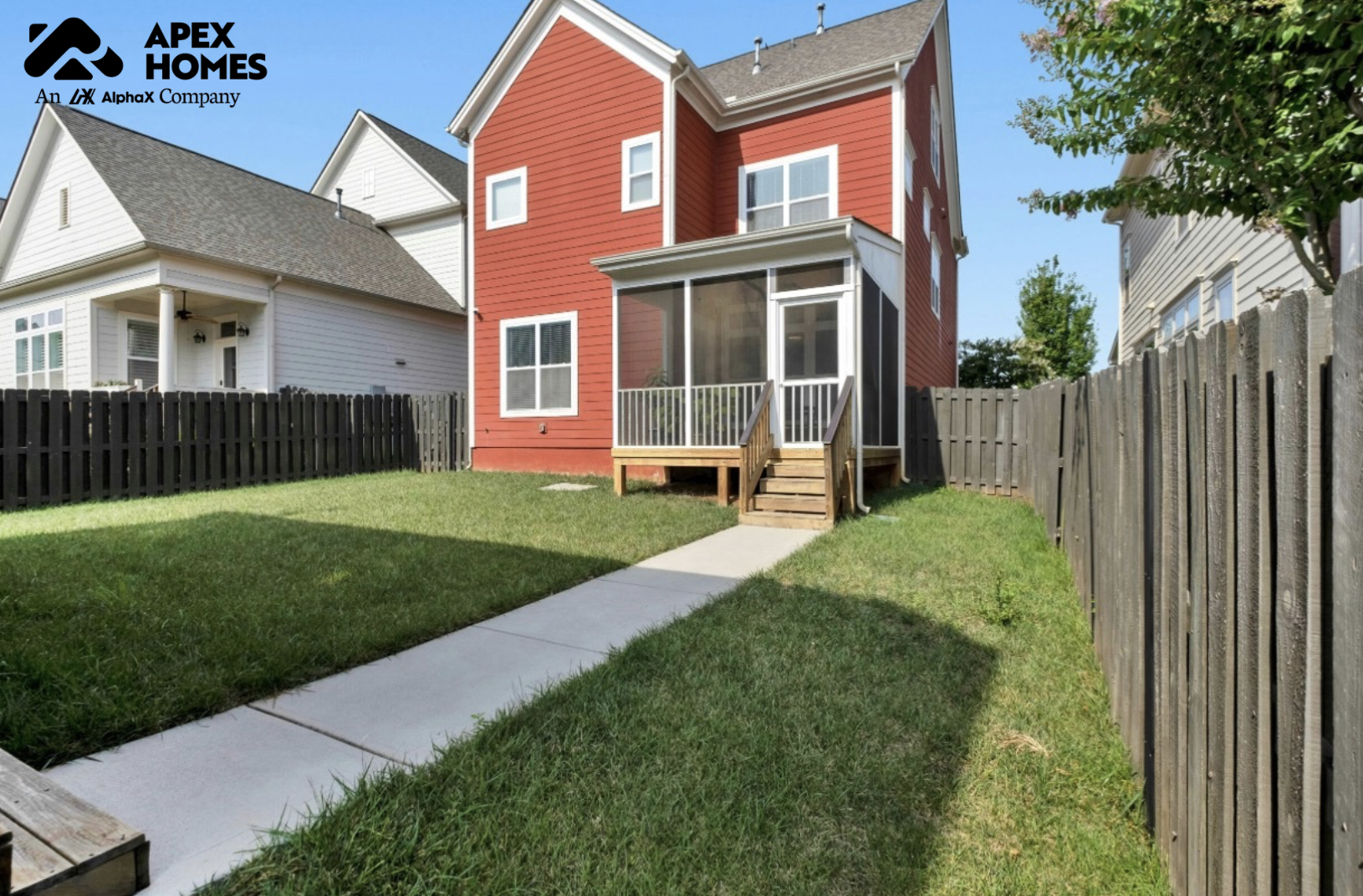
A permanent ADU is worth exploring when you want recognized residential space on your existing property, whether that’s rental income, housing family, aging in place, or more functional square footage.
The best starting point isn’t a floor plan; it’s the property itself: lot dimensions, setbacks, utility locations, zoning, and fire or seismic considerations all shape what’s feasible.
Questions To Ask Before Choosing a Tiny Home or ADU
Before signing a contract or putting down a deposit, ask:
- Is the structure legally recognized for my intended use, and how is it classified?
- Does my city allow this type of structure on my property, and what permits are required?
- Does it need a permanent foundation and utility connections?
- Can I legally rent it, and how will I insure and finance it?
- Will the structure be documented with the property, and how could that affect a future appraisal or sale?
- What’s the total project cost beyond the advertised structure price?
- Are pre-approved ADU plans available in my city, and what does my specific lot allow?
Because local requirements differ by city and county, confirm current rules before purchasing a tiny home or starting construction.
Find out whether your property is suitable for an ADU and get a free estimate from Apex Homes.
Tiny Homes vs. ADU: Look Beyond the Price Tag
The tiny home vs. ADU decision isn’t just about choosing the smaller or cheaper structure.
A tiny home can potentially be a legal residential structure, but its classification depends on how it’s built, installed, and used, since California doesn’t treat “tiny home” as one standalone legal category.
A permanent ADU, by contrast, is a recognized secondary dwelling subject to California’s ADU framework and local requirements.
So is an ADU better than a tiny home? It depends less on price and more on what you’re legally allowed to build, and what that means over time for construction, financing, rental income, insurance, and resale.
Start with your property, verify local requirements, and compare the full project rather than the advertised price.