
If you’ve been researching how much to build an ADU in San Jose, you’ve probably seen numbers ranging from $200,000 to more than $400,000.
That gap is real yet confusing.
The problem is that many online estimates only include direct construction costs. They leave out many important factors, such as permit fees and architectural design.
This guide breaks down the real all-in cost of building San Jose ADUs in 2026. We will cover:
- ADU construction costs by type
- San Jose permit fees
- What drives pricing up or down
- Timeline expectations, and
- Whether building an ADU actually makes financial sense in the Bay Area.
What Are ADU Construction Costs in San Jose (By Type)?
In the San Francisco Bay Area, ADU costs depend heavily on the type of accessory dwelling unit you build. Garage conversions are typically the most cost-effective, while detached ADUs require more site work, utility upgrades, and new construction.
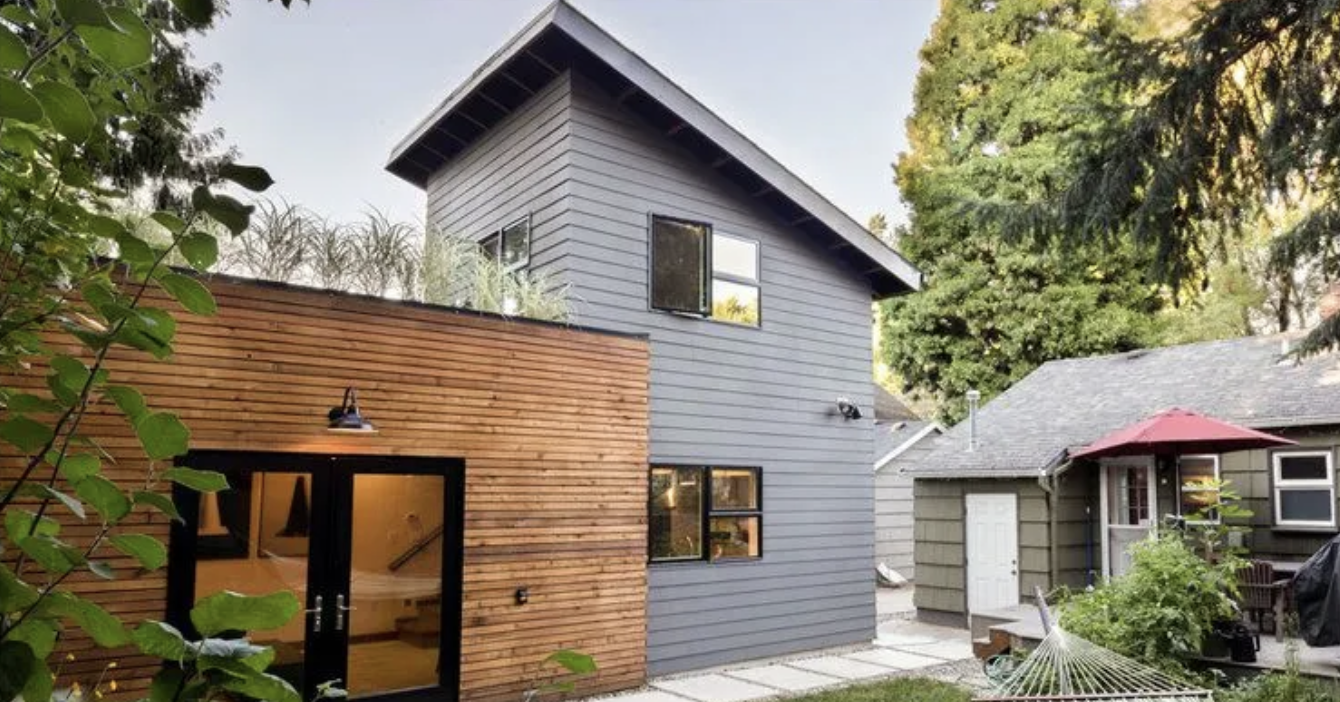
Here’s what many homeowners in the Bay Area, including in San Jose, can realistically expect for a turnkey ADU project:
| ADU Type | Typical Size | Estimated All-In Costs |
| Garage Conversion ADU | 400 – 700 sq ft | $180,000 – $200,000 |
| Attached ADU | 400 – 800 sq ft | $150,000 – 300,000 |
| Detached ADU | 600 – 1,200 sq ft | $280,000 – $440,000 |
| Junior ADU (JADU) | Up to 500 sq ft | $80,000 – $150,000 |
Note: The figures in this table are all approximates. Consult your builder for a more accurate price computation.
Garage Conversion ADUs
Garage conversions are often the cheapest way to build an ADU in San Jose because they reuse existing structures. You already have walls, a roof, and a foundation.
But that doesn’t mean the project is simple.
Most garage conversions still require:
- Electrical upgrades
- HVAC installation
- Plumbing work
- Title 24 energy compliance
- Building permits
- Final inspection approvals
If the existing garage is old or does not follow the building code, construction costs can rise quickly. Many homeowners also discover unexpected costs related to foundation reinforcement or utility connections.
Attached ADUs
An attached ADU shares at least one wall with the main house. These projects are popular because they usually cost less than detached units while still creating a separate living space.
However, attached units can become more expensive when the roofline, foundation, or structural tie-ins are complicated. The permit process may also require additional engineering documentation depending on the condition of the primary residence.
Detached ADUs
Detached ADUs are the most flexible option and typically generate the highest rental income. They also provide the most privacy, which improves resale value and long-term property value.
A detached ADU usually includes:
- New foundation and framing
- Utility trenching
- Separate utility connections
- Independent HVAC
- Complete kitchen and bath systems
In San Jose, detached ADU construction costs typically range from $350 to $500 per sq ft, depending on finishes, lot conditions, and site preparation requirements.
For example, Apex Homes references turnkey pricing like:
- Linear model (746 sq ft): starting around $278,000
- Elevated model (1,188 sq ft): starting around $438,000
Those numbers matter because they reflect true all-in pricing rather than hard costs alone.
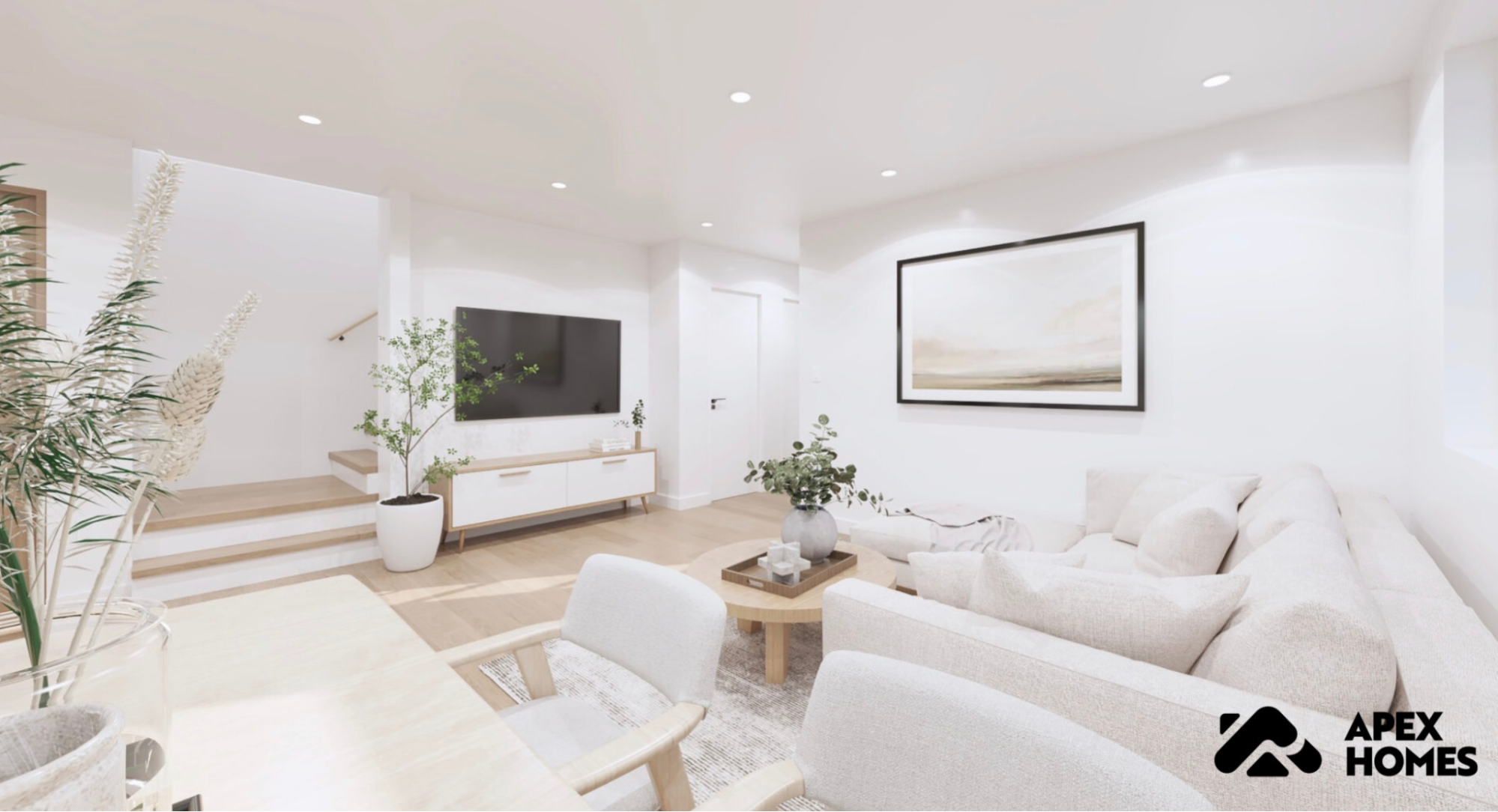 Many builders advertise lower construction project pricing, but exclude important costs such as:
- Solar requirements
- Appliances
- Design team costs
- Engineering, and
- City fees
That’s why two quotes for the same backyard ADU can differ by more than $100,000.
Get in touch with Apex Homes if you want more flexibility in designing your own ADU in San Jose.
San Jose ADU Permit Fee And What To Expect?
San Jose is considered one of the most ADU-friendly cities in California. The city has streamlined the ADU permitting process and offers resources that help reduce delays. Still, permit fees and city fees remain a significant part of your total cost.
The 750 Sq Ft Threshold Matters
One of the biggest cost-saving opportunities in San Jose is staying under 750 sq ft.
Under state law, ADUs below 750 sq ft are exempt from many impact fees, including school fees and park impact fees. The exemption can save homeowners roughly $5,000 to $15,000, depending on the neighborhood and school district.
Typical Permit Fee Breakdown
For a detached ADU under 750 sq ft, total building permit fees and utility-related costs often range between $8,000 and $17,000. Typical fees include:
- Building permit
- Plan review
- School fees (if applicable)
- Utility fees
- Sewer connection fees
- Energy compliance documentation
- County assessor updates
Larger ADU projects above 750 sq ft may also incur impact fees and additional city fees.
Utility Connections
Utility connections are one of the biggest variables in San Jose ADU costs. Detached units often require:
- New electrical panels
- Separate meters
- Gas upgrades
- Sewer tie-ins
Requirements of some utility companies, such as PG&E, can significantly affect the construction timeline and overall cost. Some projects require trenching, transformer upgrades, or additional engineering approvals.
Pre-Approved Plans Save Time and Money
San Jose’s ADU program and pre-approved plan process help reduce permitting friction. This is where builders with recognized pre-approved plans, like Apex Homes, have a major advantage.
Custom architectural design can easily cost $15,000 – $40,000 before construction even begins. Revision cycles with the local planning department can also add months to the permit process.
Pre-approved ADU plans reduce:
- Engineering revisions
- Permit delays
- Design fees
- Back-and-forth with the city
For homeowners trying to save money, this can dramatically improve both budget predictability and project timelines.
What Drives ADU Costs Up or Down in San Jose?
No two ADU projects cost exactly the same. Site conditions, utilities, design choices, and local regulations all influence the final figures.
Site Conditions
Site preparation is often the biggest hidden expense.
Sloped lots, poor soil, narrow access paths, and long utility runs can add $20,000 – $60,000 to a construction project before vertical building even starts.
Other factors that commonly raise costs include:
- Removing existing structures
- Tree removal
- Drainage corrections
- Retaining walls
- Utility upgrades
This is why online calculators can only provide rough estimates. A site-specific feasibility study is the only way to determine true ADU construction costs.
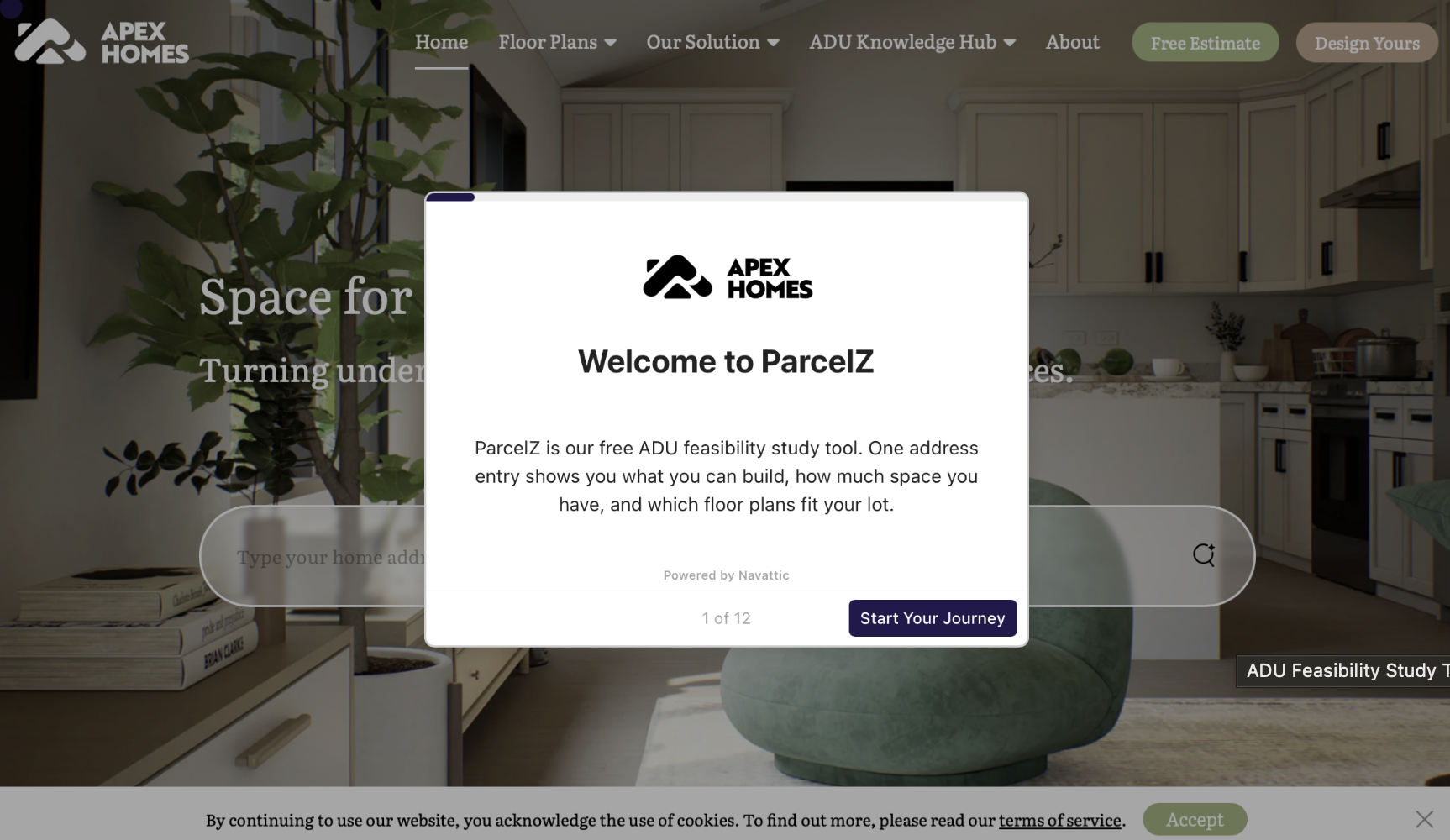
Start with Apex Homes’ free site visit and ADU feasibility study to understand what your lot will actually cost to build on.
Size and the 750 sq ft Sweet Spot
Many fixed costs exist regardless of ADU size. Every accessory dwelling unit still needs:
- A kitchen
- A bathroom
- Permit approvals
- Utility coordination
- Engineering
- Inspections
That means smaller ADUs often have a higher cost per square foot. However, as mentioned above, staying under 750 sq ft helps avoid impact fees, making this range one of the best financial sweet spots in San Jose.
This is why many builders intentionally design one-bedroom ADUs around 749 sq ft. Even slightly larger ADUs can trigger significant additional costs.
Pre-approved Plan vs. Custom Design
As already illustrated above, custom plans can significantly increase soft costs to your ADU project. Besides architectural design fees, homeowners often pay for:
- Structural engineering
- Energy consultants
- Revision cycles
- Survey work
- Additional permit reviews
Complete plans that have already been reviewed by San Jose reduce uncertainty and speed up approvals. That translates into fewer delays, lower holding costs, and fewer surprise invoices.
What Turnkey Actually Means
One of the biggest misconceptions in the Bay Area ADU market is the definition of “turnkey.”
Some builders only quote hard costs or the physical construction itself, while others include:
- Permitting
- Solar
- Appliances
- Engineering
- Site coordination, and
- Project management
That difference can easily represent tens of thousands in additional costs.
A transparent cost breakdown matters because many homeowners borrow money using a home equity line or construction financing. Unexpected costs midway through the project can create major financial stress, especially with current interest rates.
Want to avoid problems before and during your ADU construction? Get an all-in estimate with Apex Homes today!
How Long Does It Take To Build An ADU in San Jose?
Most San Jose ADU projects take between 8 and 14 months from initial design through move-in. Here’s the typical timeline:
Phase 1: Design and Engineering (2 – 4 Months)
This phase includes:
- Site measurements
- Architectural design
- Structural engineering
- Energy compliance
- Utility planning
Custom plans generally take longer than pre-approved plans.
Phase 2: Permitting (1 – 3 Months)
With a complete submission, San Jose’s permitting process is relatively efficient compared to other Bay Area cities. However, incomplete submissions often trigger revision cycles that add 30 to 60 days each.
The local planning department may request:
- Additional engineering
- Fire access clarifications
- Drainage documentation
- Utility coordination revisions
Phase 3: Construction (3 – 6 Months)
The construction timeline depends on:
- Weather conditions
- Utility coordination
- Material availability
- Site conditions
- Inspection scheduling
Garage conversions are usually faster than detached units because they reuse existing structures.
Builders using standardized models and in-house permitting teams can often complete projects faster. Some San Jose ADUs have reportedly been completed in as little as three months once permits are approved.
Is Building An ADU in San Jose Worth the Cost?
For many homeowners, yes.
San Jose remains one of the strongest rental markets in California, and an accessory dwelling unit can generate substantial rental income while significantly increasing property value.
Rental Income Potential
At the time of this writing, typical San Jose rental rates are approximately:
| ADU Type | Monthly Rent |
| One Bedroom ADU | $1,900 – $2,700 |
| Two Bedroom ADU | $2,700 – $4,300 |
Note: The figures on this table are all approximates.
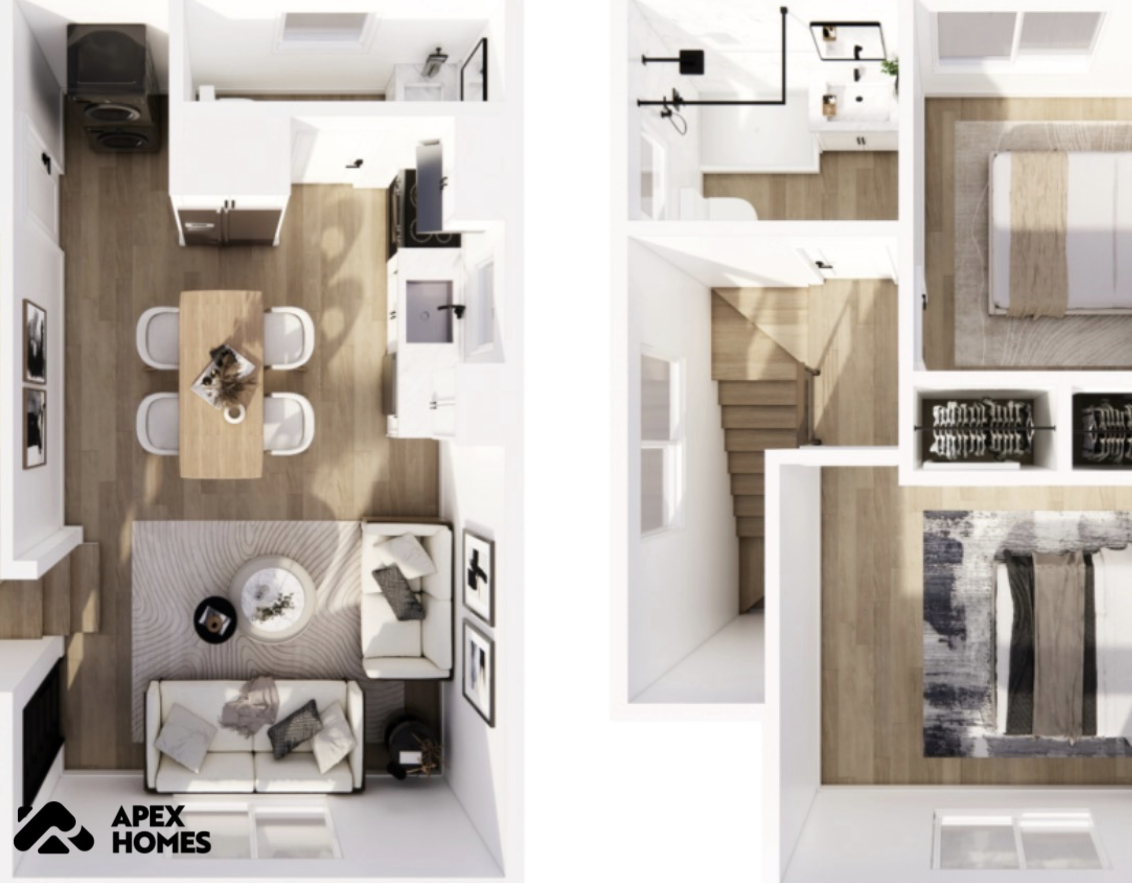
A detached ADU generating $2,500 per month could produce roughly $30,000 annually in gross rental income. Meanwhile, a $268,000 backyard ADU rented at that rate could theoretically achieve payback in around nine years before factoring in appreciation and tax benefits.
Property Value Gains
Property value appreciation is another major consideration.
San Jose homes continue to command extremely high per sq ft pricing compared to national averages. Adding a permitted accessory dwelling unit increases usable living space and creates an income-producing asset.
That combination can significantly increase resale value.
The AB 1033 Opportunity
One emerging opportunity in California is AB 1033, which allows cities to permit the separate sale of ADUs as condominiums under certain conditions.
This creates a potential future exit strategy beyond rental income alone.
Apex Homes has publicly highlighted completing California’s first ADU condo conversion in San Jose, an important proof of concept for homeowners exploring long-term investment flexibility.
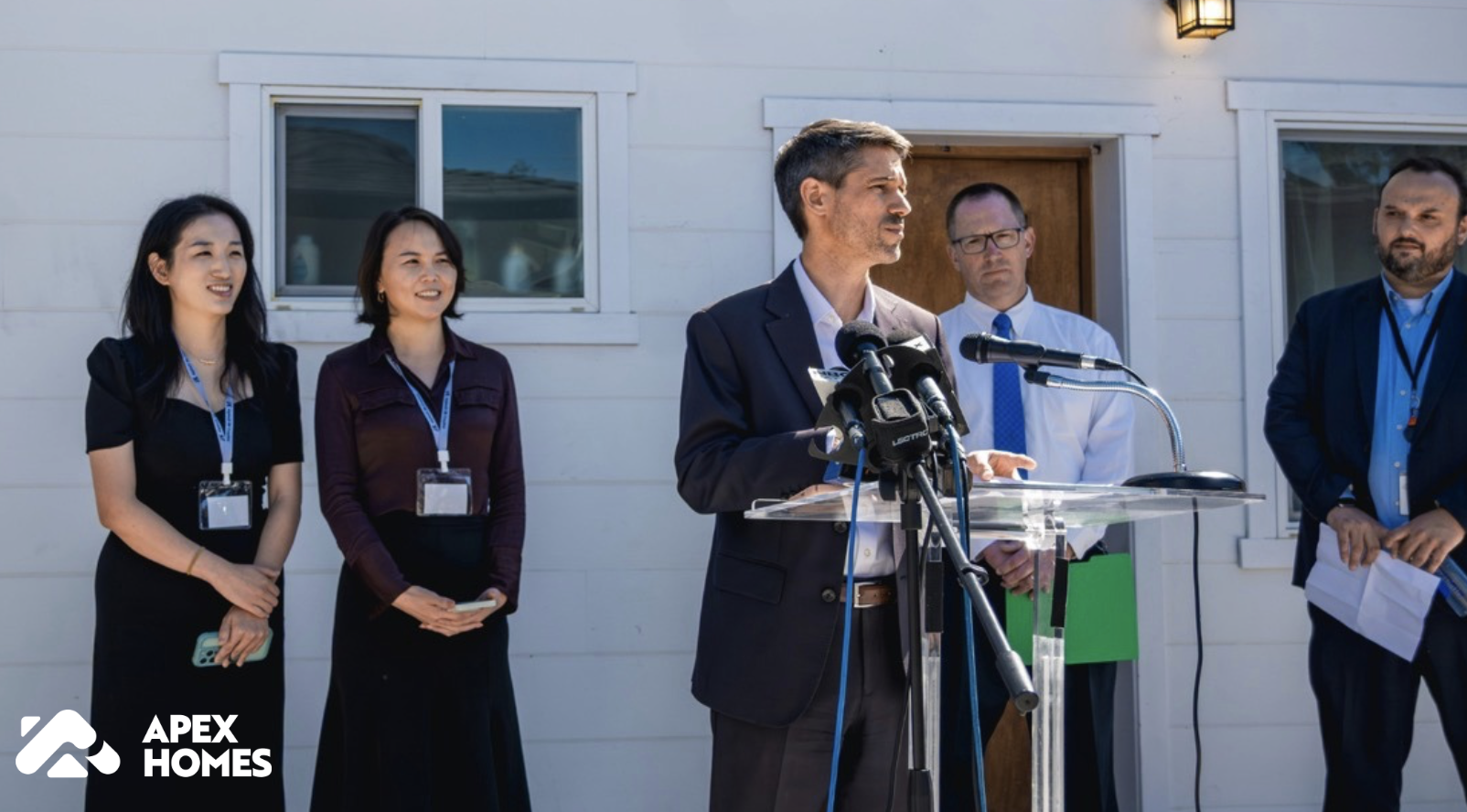
For some property owners, the ability to eventually sell detached units separately could completely change the economics of building an ADU in San Jose.
Contact Apex Homes today to get a free estimate and start your ADU project in San Jose!