
Accessory dwelling units (ADUs) have become one of the most practical solutions to California’s housing shortage. These secondary homes, often called granny flats, backyard cottages, or garage conversions, create affordable living spaces while increasing property value.
To encourage more homeowners to build them, the state launched the CalHFA ADU grant program, offering up to $40,000 to help offset early project costs.
However, transparency matters: the California ADU grant program is currently paused. Funding has been fully allocated, and no new applications are being accepted at this time.
Even so, many property owners still want to understand:
- Who qualifies for the California ADU grant funding
- How the application process worked
- How to prepare if additional funding returns
If you want to know more about the CalHFA ADU grant, this article from Apex Homes breaks down the program’s eligibility requirements, income limits, application steps, expected timelines, and what homeowners can do right now while waiting for potential future funding.
What is the CalHFA ADU Grant Program?
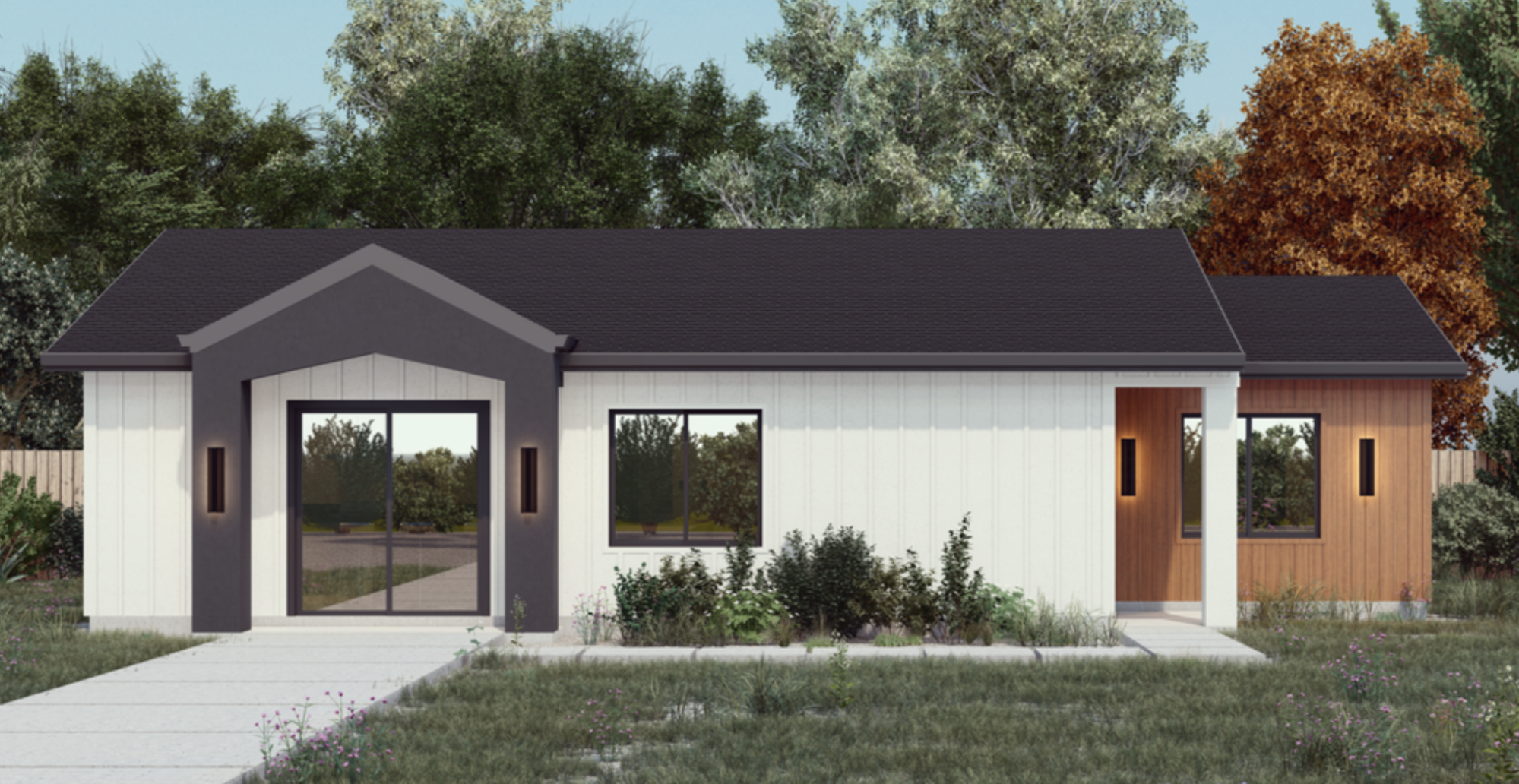
The CalHFA ADU grant program was created by the California Housing Finance Agency (CalHFA) to help homeowners build accessory dwelling units (ADUs) by covering expensive early planning costs.
The program was part of California’s broader effort to expand affordable housing options and encourage moderate income households to add housing units on existing residential properties.
The state allocated roughly $100 million to the initiative. About $81 million came from the California general fund, while another $19 million was contributed by the CHFA.
Eligible applicants could receive up to $40,000 in grant money. Importantly, this was a grant — not a construction loan or renovation loan — meaning homeowners did not need to repay the funds.
The goal was to offset pre-development costs that often prevent homeowners from starting an ADU project. These costs typically include:
- Architectural designs
- Engineering work
- Property surveys
- Permits
- Other pre-construction costs are required before building begins.
The program was widely utilized across the state. Funding reached 44 of California’s 58 counties, with approximately 42% directed toward socially disadvantaged communities.
Demand was extremely high. When funding rounds opened, applications were often submitted within days.
As of December 28, 2023, all grant funds were fully allocated, and the program was paused. While California has not announced a new funding round, housing advocates believe similar programs may return due to the state’s ongoing housing shortage.
Who Qualifies for the CalHFA ADU Grant?
Understanding the eligibility requirements was essential for homeowners hoping to receive grant approval. The program was designed to support owner-occupied housing and moderate income households.
Below are the key requirements applicants need to meet.
You Must Be A California Homeowner (Not A Renter Or Investor)
The first requirement was straightforward: applicants had to be property owners in California.
To qualify for the ADU grant, you needed legal title to the property where the accessory dwelling unit ADU would be built. Renters could not apply, and properties owned by LLCs or corporate entities were not eligible.
The program focused on helping individual homeowners expand affordable housing rather than supporting investment properties.
Eligible property types generally included:
- Single-family homes
- Multifamily properties with two to four units
Vacation homes and investment properties did not qualify. The property had to be owned by the applicant and used as a residential address.
This requirement ensured the grant program supported homeowners creating additional housing within existing neighborhoods.
The Property Must Be Your Primary Residence
Another key requirement involved occupancy.
Applicants had to live in the property where the ADU construction would take place. In other words, the home needed to be the borrower’s primary residence.
During the application process, homeowners signed an affidavit confirming they lived at the property and planned to remain there during the ADU project.
After construction, the accessory dwelling unit could typically be used for long-term housing, such as renting to tenants or housing family members. However, short-term rentals like Airbnb were generally not allowed.
The goal was to increase long-term housing supply rather than short-term vacation rentals.
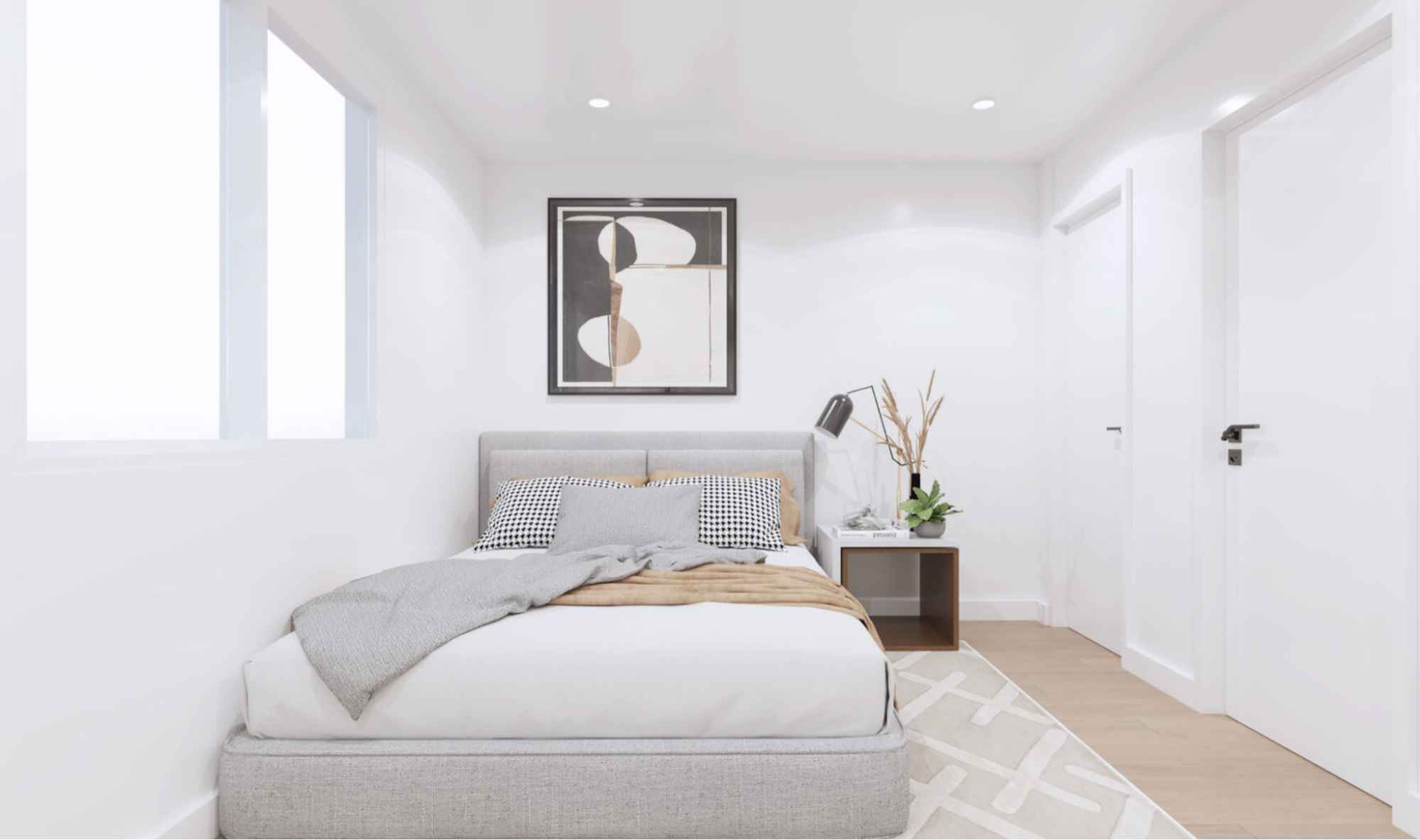
Your Income Must Fall Within County-Specific Limits
Income limits were one of the most important factors determining who qualifies for California ADU grant funding. In the most recent phase of the program, applicants needed income at or below 80% of the Area Median Income (AMI) for their county.
AMI varies widely across California depending on local housing costs and wages. For example, based on 2023 program data, higher-cost counties like Santa Clara had limits exceeding $140,000 for large households.
Income limits are also adjusted based on household size. A single borrower had a lower threshold than a family of four.
Earlier phases of the program allowed slightly higher limits in some areas. In Los Angeles County, for example, certain household sizes previously had limits approaching $180,000.
However, the latter phase tightened eligibility to focus more on moderate income households.
It’s also important to note that the program’s income limits were based on the borrower applying for the grant, not the combined income of everyone living in the home.
Your Property Must Be Free of Liens and Judgments
Financial standing also played a role in eligibility.
To qualify for the California ADU grant, the property generally needed to be free of unresolved financial or legal issues.
Applicants could not have:
- Outstanding tax liens
- Court judgments tied to the property
- Delinquent child support obligations
Additionally, the property needed to comply with local building codes and zoning rules that allow ADU construction.
Cities across California have different regulations for accessory dwelling units, including rules on setbacks, size limits, junior accessory dwelling units, and garage conversions. Ensuring the property meets local requirements is essential before beginning an ADU project.
You Must Not Have Previously Received This Grant
The program allowed only one grant per property.
Homeowners who had already received funding through the CalHFA ADU grant program were not eligible to apply again.
This rule helped distribute funding across more applicants and expand affordable housing opportunities statewide.
Because the grant covered pre-development costs rather than full construction costs, the expectation was that homeowners would use the funds to launch a single ADU project.
What Can The Grant Money Be Used For?
The California ADU grant was designed to help homeowners overcome the expensive planning phase of building an accessory dwelling unit.
Many ADU projects stall because of early costs before construction even begins.
The grant funds could be used for several pre-construction expenses, including:
- Site prep and property assessments
- property surveys
- Architectural designs
- Structural engineering reports
- Soil testing
- Energy reports
- Permit and impact fees
- Interest rate buy-downs on construction loans
- Non-recurring closing costs related to the ADU project
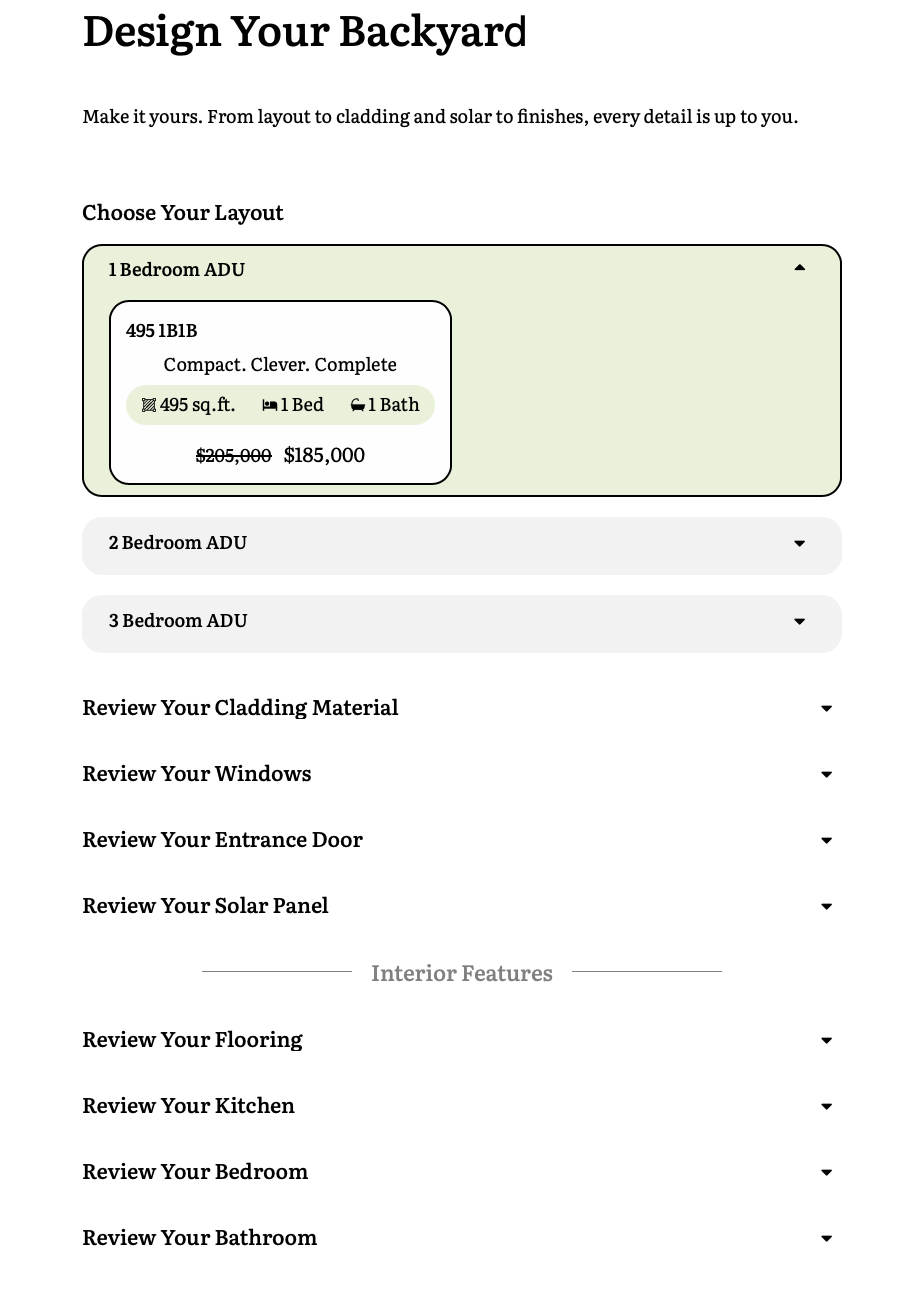
These pre-development costs can easily reach tens of thousands of dollars. By covering them, the program helped more homeowners move forward with ADU construction.
However, the grant did not cover hard construction costs such as labor, building materials, or major structural work. Those expenses typically require separate financing, such as a construction loan.
One important tax note: recipients usually receive an IRS Form 1099-G for the tax year the grant funds are disbursed, so homeowners should consult a tax professional regarding potential tax implications.
How To Apply for The CalHFA ADU Grant? (Step-By-Step)
Although the program is paused, understanding the application process helps homeowners prepare for potential future funding rounds.
During active phases, the process typically looked like this.
Step 1: Confirm You Meet Eligibility Requirements
Before applying, homeowners needed to confirm they met all eligibility requirements.
This included verifying:
- Ownership of the property
- Primary residence status
- Income within the program’s income limits
- No previous ADU grant received
- No outstanding liens or judgments
Having proper documentation ready early helped speed up the application process.
Step 2: Get Your ADU Plans Ready
This step was often the most time-consuming.
Applicants usually need architectural plans and structural designs before moving forward with the grant application. Lenders and program partners required these documents to evaluate the ADU project.
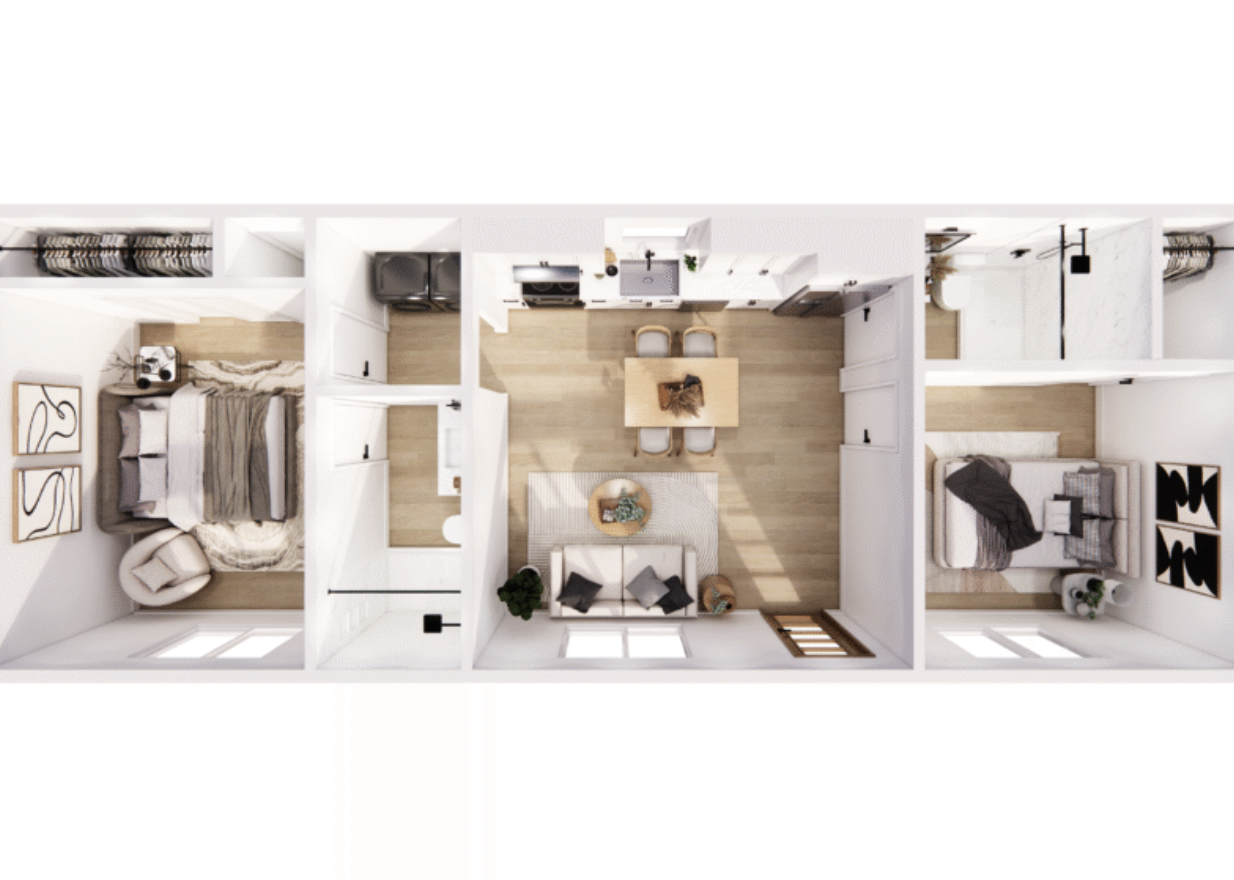
Plans often included:
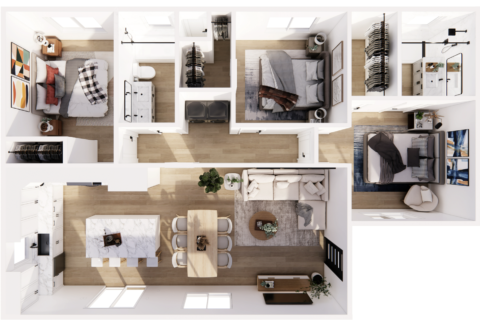
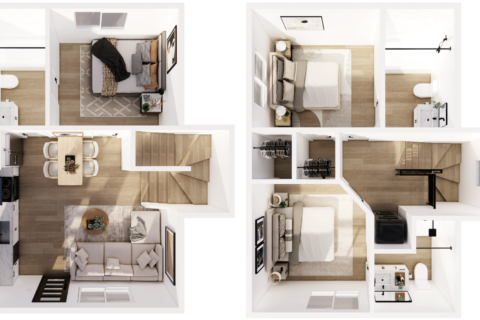
- ADU floor plans
- Engineering specifications
- Site layouts
- Energy compliance reports
Without completed plans, it was difficult to obtain construction financing or submit a full application.
Step 3: Connect With A CalHFA-Approved Lender Or Non-Profit Partner
Homeowners could not apply directly to the state.
Instead, they needed to work with a CalHFA-approved lender or nonprofit partner that facilitated the application process.
Examples included:
- HPP Cares
- CCEDA (California Community Economic Development Association)
Earlier versions of the program required a construction loan. Later phases allowed cash-funded ADU projects if applicants worked through an approved nonprofit partner.
These partners helped verify eligibility and submit the required documentation.
Step 4: Submit Your Application Through Your Lender
Once documents were prepared, the lender or nonprofit partner submitted the application package to CalHFA.
Typical documentation included:
- Proof of income
- Proof of property ownership
- Verification of primary residence
- ADU plans and permits
- Financial statements
Applications were processed on a first-come, first-served basis, so timing mattered.
Step 5: Grant Funds Are Added To Your Escrow
If the application was approved, the $40,000 grant was not sent directly to the homeowner.
Instead, the funds were deposited into the project’s escrow account and distributed to approved vendors as project expenses occurred.
For homeowners using a construction loan, the grant funds could reduce the total loan balance, lowering monthly payments and interest rates.

Estimated Timeline
When the program was active, the timeline depended largely on preparation.
Based on past funding rounds:
- Preparing ADU plans: 4–8 weeks
- Lender pre-qualification and application preparation: 2–4 weeks
- CalHFA review and grant approval: 2–6 weeks
Construction timelines varied widely depending on the project, typically ranging from three months to a year.
One critical detail: funding rounds moved very quickly. In some cases, the entire pool of grant funds was allocated within days.
Homeowners who already had plans, permits, and lender relationships were far more likely to secure funding.
The Grant Is Currently Paused — Here’s What To Do Right Now
Because the California ADU grant program is paused, many homeowners assume there is nothing to do.
In reality, this can be the best time to prepare.
Don’t Wait Idly — Use This Time To Prepare
Many applicants missed earlier funding rounds simply because they were not ready.
Since the program reimbursed pre-development costs, applicants needed architectural plans, permits, and financing options already prepared.
Homeowners who already have site assessments, pre-approved ADU designs, property surveys, and lender relationships in place will be able to apply much faster if funding returns.
Preparation can make the difference between receiving funding and missing out.
Explore Local Programs That Are Still Active
Even though the CalHFA program is paused, several California cities and counties offer their own ADU assistance programs.
Examples include:
- Orange County Housing Finance Trust: Offers an affordable ADU loan program for homeowners renting to low-income tenants
- City of Pasadena: Its Second Unit ADU Program offers planning and financial support, including up to $225,000 construction loan at just 1% simple interest
- Santa Cruz County: Offers forgivable loans up to $40,000 for ADUs rented at affordable rates
- City of El Monte: Its ADU loan program offers up to $75,000.
The California Department of Housing and Community Development maintains a statewide list of ADU funding resources.
Watch Out For CalHFA Updates
Because the ADU program was widely utilized, many housing experts believe new funding rounds are possible.
Homeowners can monitor updates through the CHFA website and subscribe to program announcements.
Historically, funding launches filled quickly, so being prepared in advance significantly improves your chances of receiving grant funds.
Get Your ADU Project Ready for the Next Grant
The CalHFA ADU grant was one of the most significant housing programs California has launched in recent years. With the state still facing a severe housing shortage, programs encouraging accessory dwelling units will likely continue playing an important role in expanding affordable housing.
The homeowners who benefited most from previous rounds were those who prepared early — with architectural plans ready, permits underway, and lender relationships established.
Whether the grant returns next month or next year, the groundwork you lay today can put you at the front of the line.
And regardless of grant availability, building an ADU remains one of the most financially sound ways to increase property value, create rental income, and expand affordable housing.
See how Apex Homes can help you prepare. Book your free site consultation today.