
Multigenerational living is no longer a niche housing trend. More than 60 million Americans now live in multigenerational households, and more homeowners are planning for aging parents, adult children, and extended family on the same property.
For many families, this trend is driven by a desire to keep loved ones close while preserving independence. In a recent California case, a family chose to build an ADU for their 78-year-old mother rather than move her into assisted living, giving her a home of her own just steps away from family.
Increasingly, families are choosing a mother-in-law suite (MIL suite) or accessory dwelling unit (ADU) over assisted living as a practical solution for elderly parents and multigenerational living.
In the Bay Area, rising housing costs, longer life expectancy, and changing family needs have made mother-in-law suites both a caregiving solution and a long-term property investment.
So what exactly is a mother-in-law suite, and is building one right for your home?
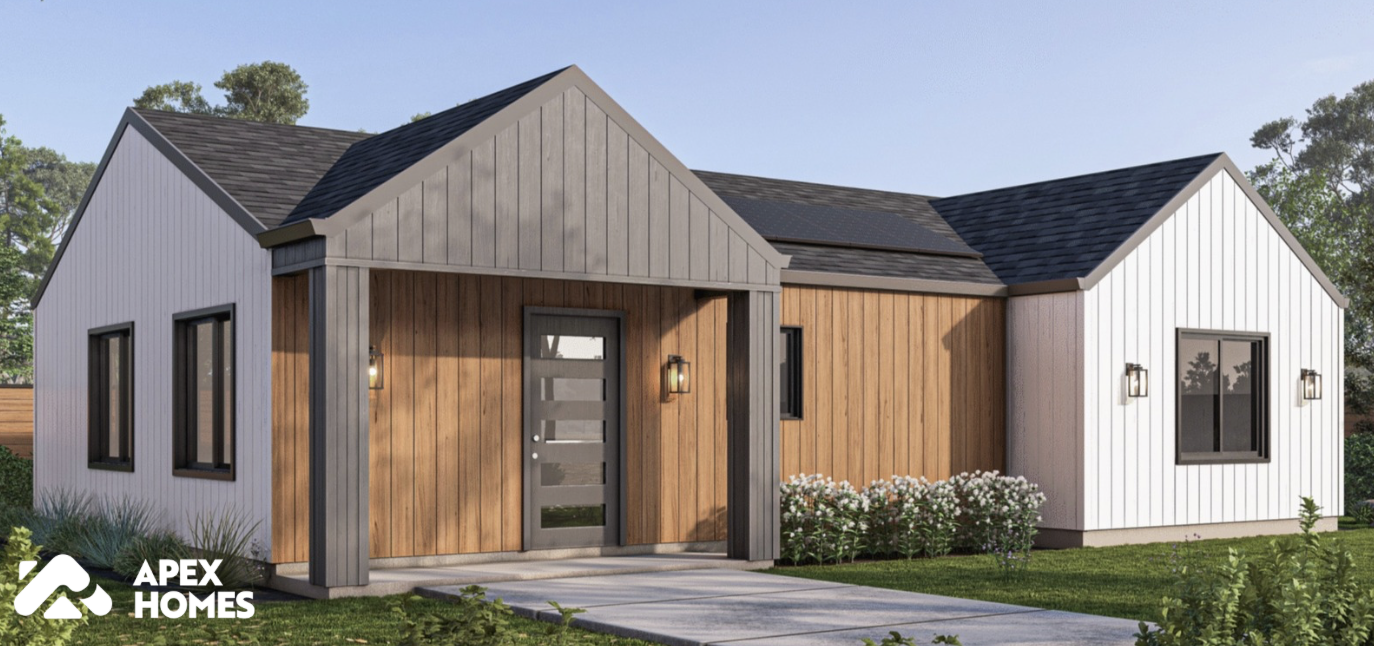
What Is A Mother-In-Law Suite?
A mother-in-law suite is a self-contained living space located within or on the same property as a primary residence. It is designed to provide privacy and independence while allowing family members to live close together.
A mother-in-law suite can take several forms. Some homeowners convert existing space, such as a spare bedroom, garage, or walk-out basement. Others build a completely separate structure in the backyard as a stand-alone unit.
While the name suggests a mother-in-law, these spaces are commonly used for:
- Aging parents and elderly family members
- Adult children
- Live-in caregivers
- Frequent guests
- Extended family members
- Renters
In California, the informal term “mother-in-law suite” is often used interchangeably with the legal classification of an ADU. This distinction matters because ADU status affects permitting, rental use, and compliance with local laws and regulations.
What Is A Mother-In-Law Suite Called? (The Terminology Explained)
One of the most confusing parts of planning an in-law suite is the terminology. Several names are used for similar types of separate living spaces:
- Accessory Dwelling Unit (ADU) – The official legal term in California for a secondary suite on the same lot as a primary residence.
- Granny flat – A small detached unit often designed for elderly parents or aging relatives.
- In-law suite/in-law apartment – A private living space for family members within or near the main house.
- Casita – A stand-alone structure commonly used as a guest house in some regions.
Why terminology matters comes down to zoning laws, building permits, and local ordinances. A legally permitted ADU can often be rented and insured as an independent dwelling, while an unpermitted guest room conversion may not qualify as a legal living unit.
Types Of Mother-In-Law Suites (Attached vs. Detached)
Not all mother-in-law suites are the same. The right design depends on lot size, zoning regulations, budget, and long-term goals.
Detached Mother-In-Law Suite (Detached ADU)
A detached unit is a completely separate structure on the same property as the main house. It is essentially a standalone unit with maximum privacy and independence.
Benefits include:
- Maximum privacy
- Separate entrance
- Reduced noise transfer
- Strong potential rental income
- Full independence for family members
Detached units are often ideal for elderly parents who want independence while staying close to family.
However, they require new foundations, utility connections, and full construction — making them the most expensive option. In California, detached ADUs commonly range from $205,000 to $438,000+, depending on square footage, site conditions, and location.
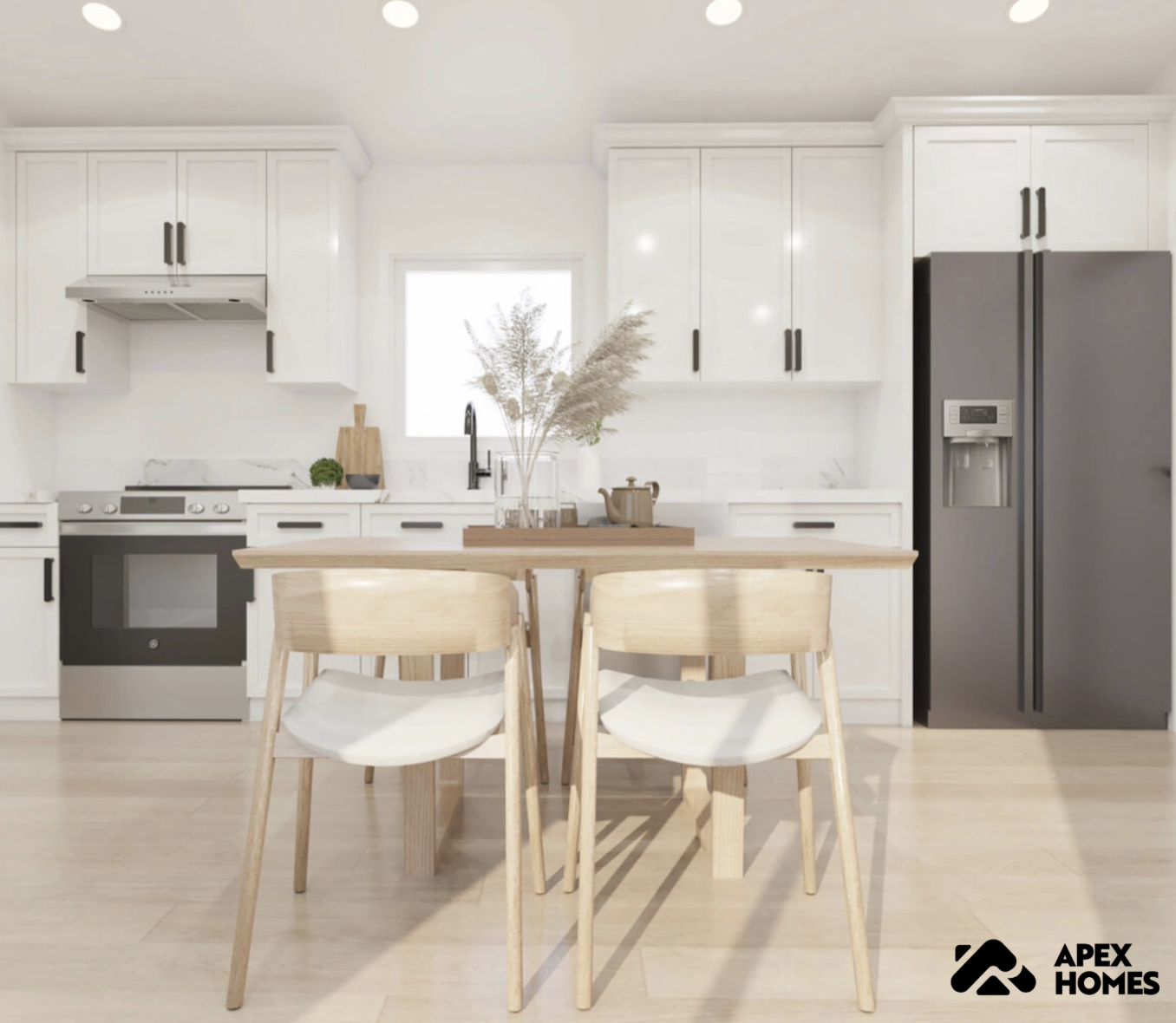
Attached Mother-In-Law Suite (Attached ADU)
An attached suite shares at least one wall with the main residence. These are often created through home additions, garage conversions, or reconfiguring existing space.
Common conversion options include:
- Garage conversions
- Basement (walk-out basement or interior basement)
- Side additions
- Reconfigured interior layouts
Attached units are more cost-efficient because they can share utilities and existing infrastructure. They are a practical option for families who want elderly parents or adult children close by while maintaining separate living spaces.
Interior Suite / Junior ADU (JADU)
A Junior ADU is created entirely within the footprint of an existing home. It is one of the most cost-effective ways to create a small living space.
Common examples include:
- Spare bedroom conversions
- Interior sectioning of the home
- Attached garage conversions
In California, JADUs are typically limited to 500 sq ft. They must include a private entrance, though some configurations may share certain facilities.
For homeowners with limited budgets or HOA restrictions, JADUs provide a practical path to additional living space without major construction.
What Does A Mother-In-Law Suite Include?
A functional mother-in-law suite is more than just a private room. To qualify as a true self-contained living space, it typically includes:
- Private entrance
- Sleeping area
- Private bathroom (full bath)
- Kitchen or kitchenette
- Dining area
- Living area
- Laundry access or hookups
- Storage space
Many modern designs also incorporate accessibility features for elderly parents or aging relatives, such as:
- Wider doorways
- Non-slip flooring
- Grab bars
- Walk-in showers
- Step-free access
- Easy access pathways
These features make the space safer and more comfortable for long-term use, especially for elderly family members.
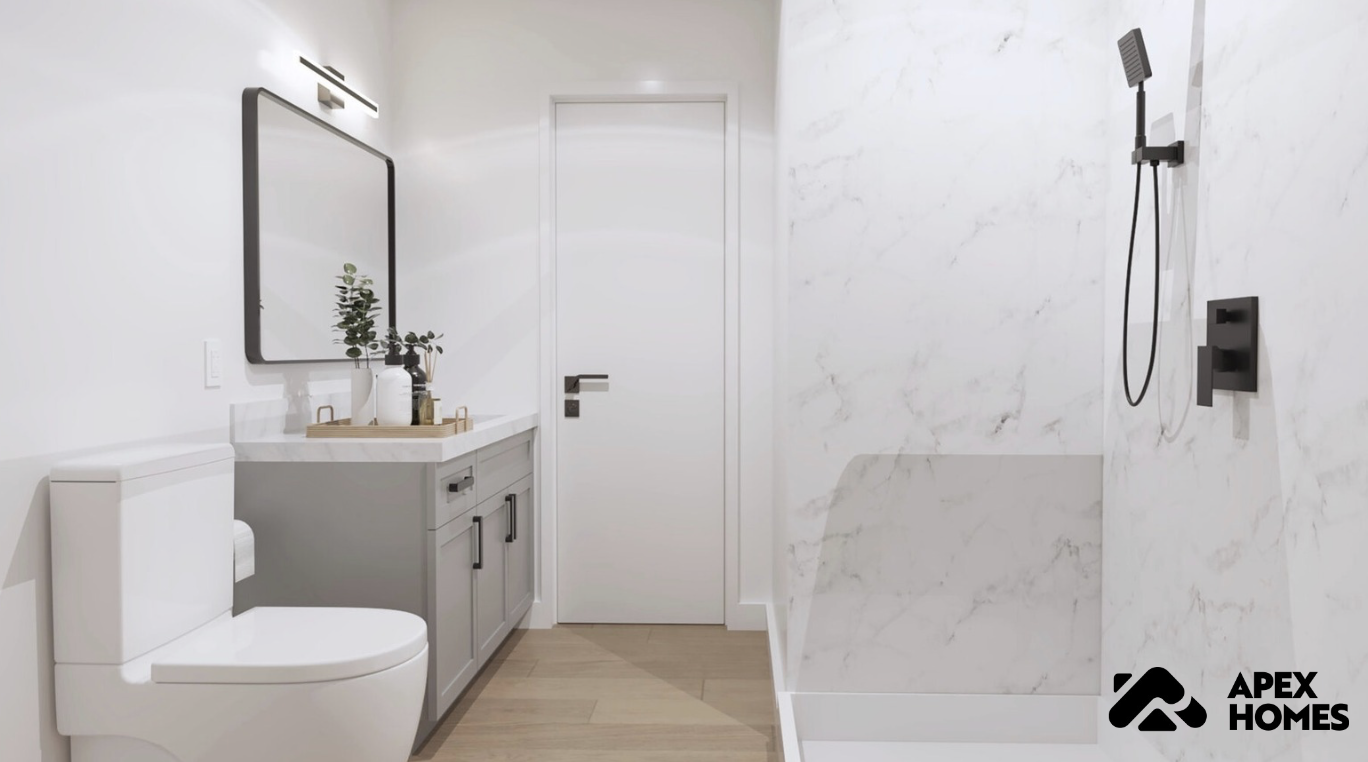
Mother-In-Law Suite Cost in California
Cost is one of the first questions Bay Area homeowners ask when considering an in-law suite. Labor, permitting, utility work, and local laws all influence the final investment.
Typical California cost ranges include:
| Type | Estimated Cost Range in California |
| Interior conversion / JADU | $40,000 – $100,000 |
| Attached ADU | $100,000 – $250,000+ |
| Detached ADU | $205,000 – $438,000+ |
Several factors impact cost, including:
- Size and layout. More square footage generally means higher construction costs. A one-bedroom unit typically costs less than a two-bedroom design.
- Site conditions. Sloped lots, utility access challenges, and drainage issues can significantly increase project costs.
- Detached vs. attached construction. Detached units require more infrastructure, making them more expensive than attached suites.
- Permitting fees. Permit fees vary dramatically by city and project scope. Some California homeowners pay only a few thousand dollars, while others face substantially higher fees depending on jurisdiction and project complexity.
Many Bay Area cities now offer pre-approved plans that streamline approvals and reduce design costs. For homeowners seeking cost savings, pre-approved ADU plans often eliminate multiple rounds of revisions and can shorten permitting timelines considerably.
If you want to explore pre-approved ADU plans, get a free estimate from Apex Homes today.
Mother-In-Law Suite Ideas: What Bay Area Homeowners Are Building
For most Bay Area homeowners, a mother-in-law suite is less about extra space and more about solving real family needs. The strongest ADU projects are designed for flexibility, so the space can evolve as life changes.
For Aging Parents (Aging-In-Place Design)
A mother-in-law suite is a practical solution for families supporting aging parents who want independence while staying close.
In completed Apex Homes projects in the Bay Area and Rancho Cucamonga, families faced the same situation: elderly parents living in large homes that were becoming difficult to maintain. They chose to sell the existing homes and use part of the proceeds to build a detached ADU on the adult child’s property, creating a private living space that keeps family nearby without shared living.
Common features include:
- Single-story layout with step-free entry
- Wider doorways and accessible design
- Walk-in shower with full bath and grab bars
- Private outdoor patio
- Close proximity to the main house for support
- 1BR/1BA self-contained living space starting around $185,000
This type of in-law suite offers aging parents independence, safety, and comfort while keeping family close.
For Adult Children Or Rental Income
Another popular use is housing adult children or generating long-term rental income.
A 2BR/2BA detached ADU is especially in demand in the Bay Area due to strong rental rates and limited housing supply.
Typical features include:
- Private entrance
- Separate utility metering
- Efficient use of square footage
- Potential rental income of $2,500–$4,000/month for 2-bedroom units
- Fully independent living space
Detached units work well as both housing and investment properties, offering strong long-term value.
For Multigenerational Living (Both Uses Over Time)
Many homeowners choose a mother-in-law suite that can adapt over time rather than serve a single purpose.
An ADU may start as housing for aging parents, later transition to adult children, and eventually become a rental unit or guest space.
Key design principles include:
- Flexible layouts for changing needs
- Independent kitchen, bathroom, and living areas
- Durable construction for long-term use
- Spaces that can shift between family use and rental use
The best ADUs aren’t built for one stage of life — they’re designed to adapt as family needs evolve.
Is A Mother-In-Law Suite Legal In California?
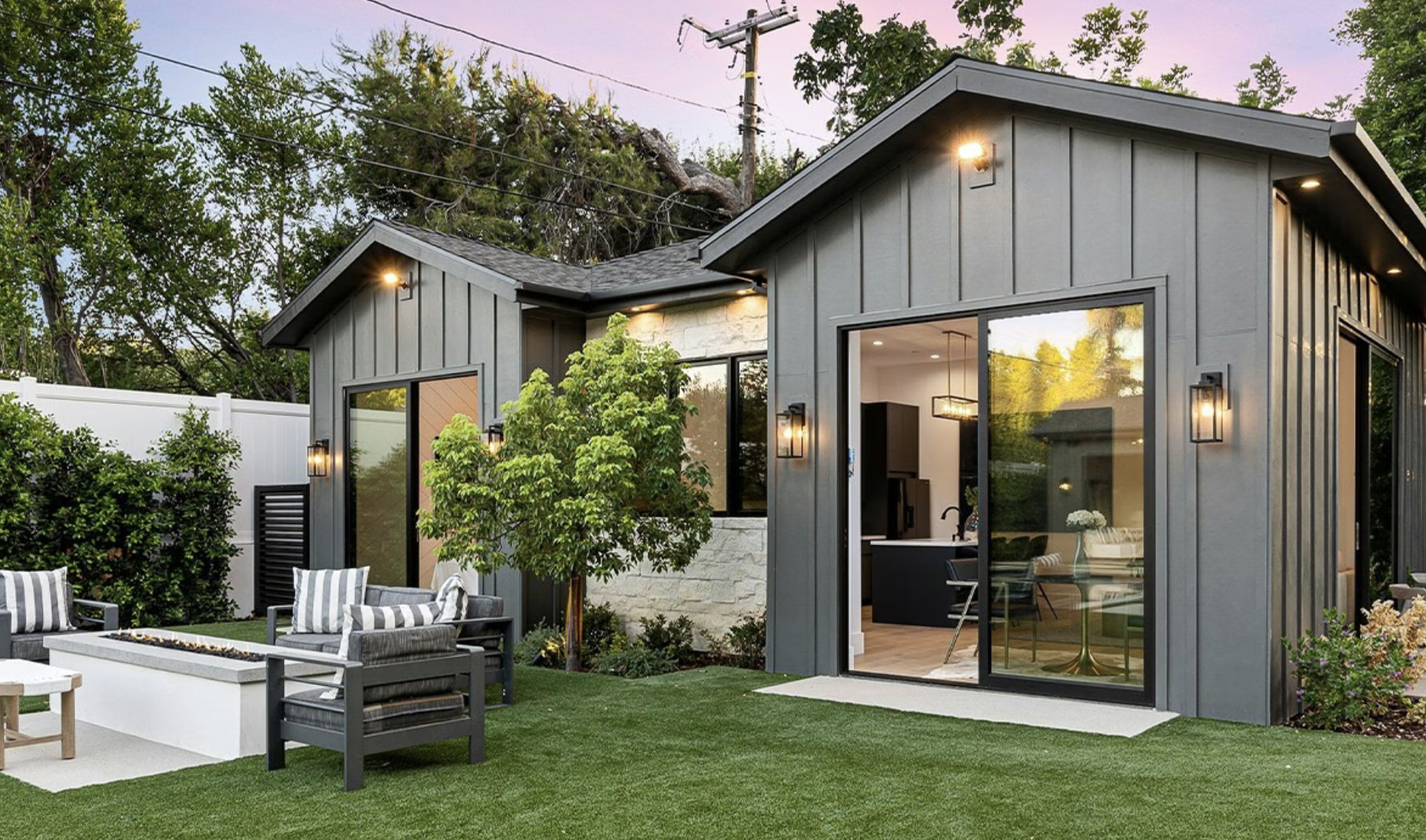
The good news for homeowners is that California has become one of the most ADU-friendly states in the country.
A series of state laws — including SB 13, AB 881, and subsequent reforms — have significantly expanded homeowners’ rights to build accessory dwelling units.
Today, most single-family residential lots can legally accommodate ADUs. Key provisions include:
- Ministerial approval for qualifying ADUs
- Significant limits on HOA restrictions
- Reduced owner-occupancy requirements for many ADUs
- Expanded opportunities on both single-family and multifamily properties.
California cities must generally approve code-compliant ADU applications within 60 days of receiving a complete submission. For Bay Area homeowners, this has transformed the ADU landscape. Cities including San Jose, Mountain View, and Cupertino have introduced pre-approved plans that can accelerate the permitting process.
Before beginning construction, homeowners should always verify:
- Zoning laws
- Local ordinances
- Setback requirements
- Building permits
- Utility requirements
Working with an experienced ADU builder, like Apex Homes, can help avoid costly mistakes and ensure compliance from the start.
Build A Mother-In-Law Suite That Adds Value For Years To Come
For Bay Area homeowners, a mother-in-law suite is much more than additional space. It’s a flexible investment that can adapt to changing family needs while increasing the functionality and value of your property.
Whether you’re planning for aging parents, creating independence for adult children, supporting multigenerational living, or pursuing rental income, the most important step is ensuring your project is designed and permitted correctly as a legal ADU.
The difference between a spare room and a fully compliant ADU can significantly increase property value, improve usability, and create future financial opportunities.
Apex Homes specializes in California-compliant ADUs and pre-approved plans designed for today’s families and tomorrow’s opportunities. Start building your mother-in-law suite with a free consultation with Apex Homes!
If you’re still unsure, Apex Homes can also help assess your lot if it’s ready for ADU construction.