For many California homeowners, the question is no longer whether an accessory dwelling unit (ADU) makes sense, but “how many ADUs can I have on my property?”
With rising housing costs, growing demand for rental housing, and evolving state law, property owners are increasingly looking at adding multiple ADUs to maximize rental income and long-term property value.
If you already have one ADU or are considering building more than one unit on the same lot, the rules can feel confusing. The answer depends on your property type, zoning district, and how state law interacts with local regulations.
This guide breaks down:
- How many ADUs are allowed on single-family and multifamily properties?
- What recent legislation, like SB 1211 changes?
- What practical considerations matter when building multiple units?
Common Scenarios By Property Type
California ADU law is not one-size-fits-all. The maximum number of accessory dwelling units allowed depends heavily on whether your property is classified as a single-family dwelling or a multifamily property, and how local zoning applies to your lot.
Single Family Residential Properties: The 1+1 Rule
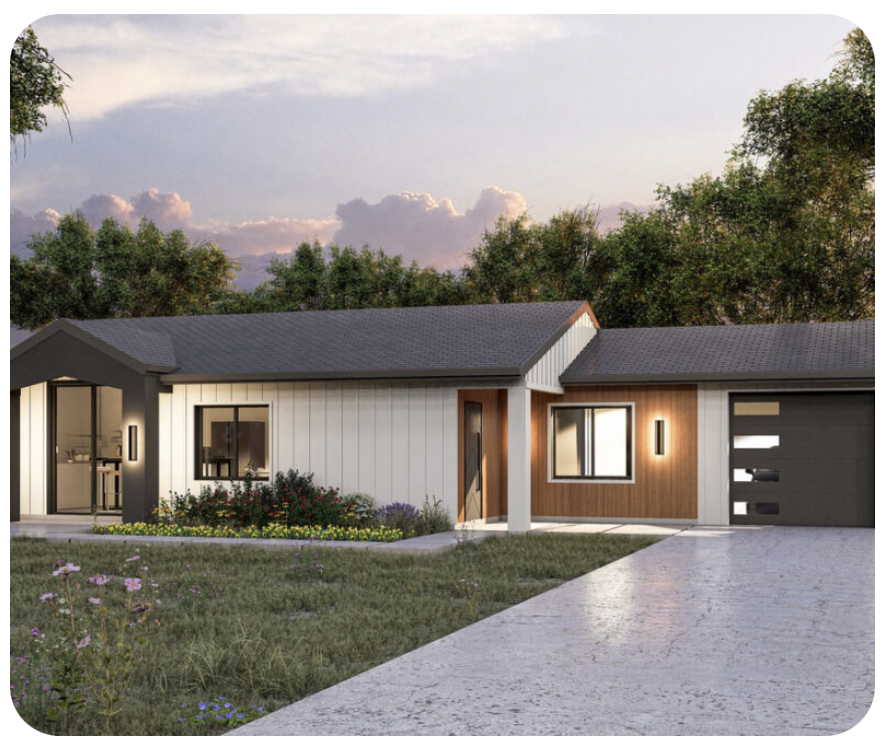
For most single-family residential properties, California state law allows up to three total dwelling units on the same lot, including:
- One primary residence
- One accessory dwelling unit, and
- One junior accessory dwelling unit (JADU)
This is often referred to as the 1+1 rule and applies statewide, regardless of local rules, provided zoning requirements and building codes are met.
The primary dwelling is your main residence. In addition, property owners may build one full ADU, which can be either attached to the main structure or detached and constructed on a permanent foundation.
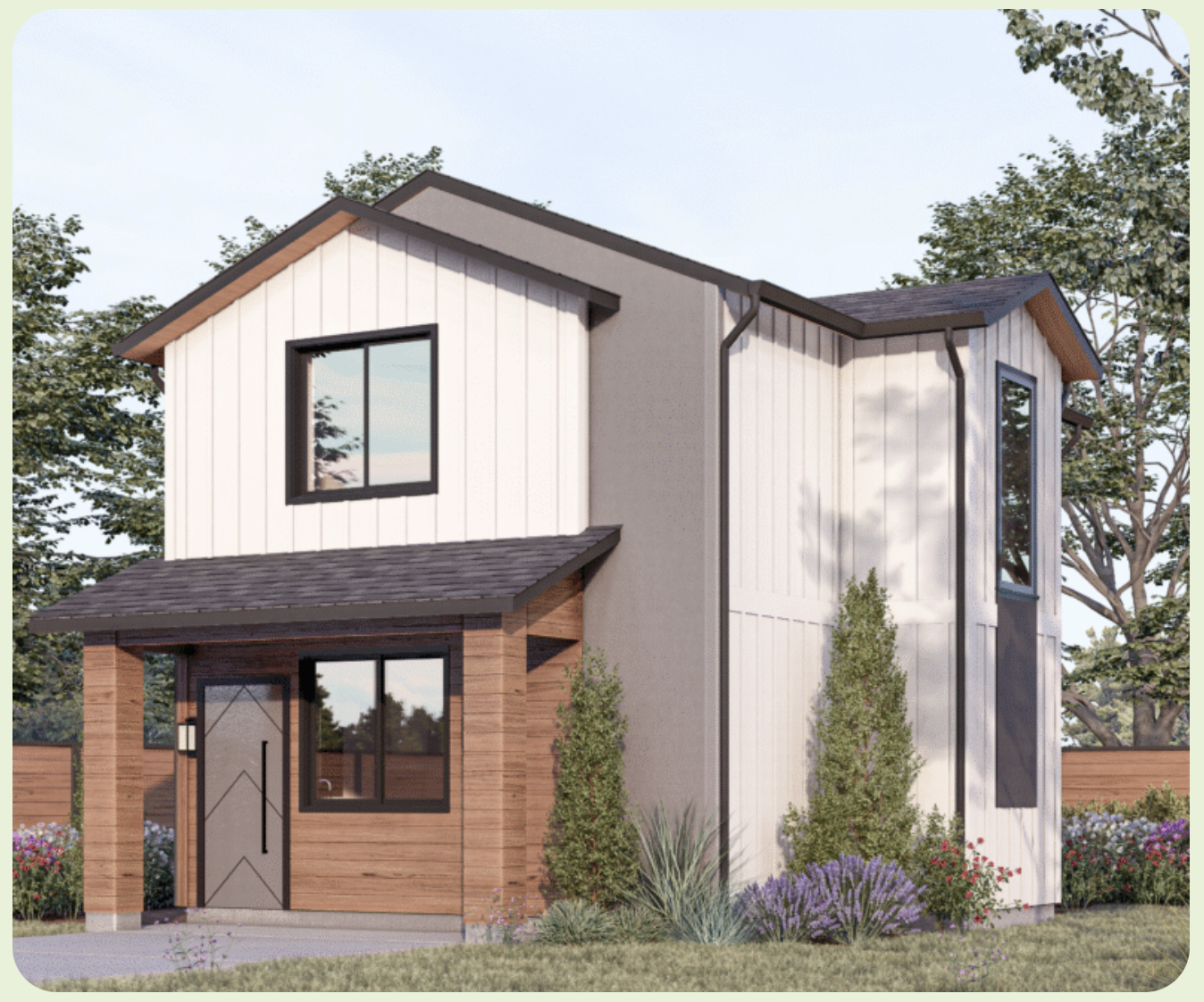
Detached structures often appeal to homeowners looking to generate rental income while maintaining privacy.
A junior accessory dwelling unit (JADU) must be created within the primary home’s existing structure, usually by converting an existing space such as a bedroom or garage.
JADUs have stricter requirements, including owner-occupancy and size limits, but they allow homeowners to add a second rental unit without new ground-up construction.
Multifamily Properties: SB1211 Expansion
Multifamily properties operate under a different and more flexible framework. A multifamily property includes duplexes, triplexes, fourplexes, and apartment buildings with multiple existing dwelling units.
Under Senate Bill (SB) 1211, property owners can now build significantly more ADUs on multifamily lots. The law allows up to one detached ADU per existing unit, with a maximum of eight detached ADUs on the same lot. This applies as long as the property is located in a residential zone where multifamily housing is permitted.
In addition to detached ADUs, multifamily properties can convert existing non-habitable space into new dwelling units.
Up to 25% of the existing units may be added through the conversion of storage areas, garages, or other accessory apartment spaces within the existing structure, provided they meet building code requirements for sleeping areas, square footage, and safety.
For example, a six-unit apartment building could add up to six detached ADUs, plus convert a garage or storage space into additional units under the 25-percent rule. This kind of ADU development can dramatically increase housing options and rental income without acquiring new land.
Special Cases: Multifamily-Zoned Single-Family Properties
Some properties fall into a gray area that creates additional opportunity. In some cities and other jurisdictions with progressive land use policies, a single-family home located on a multifamily-zoned lot may qualify for more than one detached ADU.
In these cases, zoning restrictions are based on the zoning district, not the current use of the property. That means a property that looks like a single-family home may legally be treated as a multifamily site under local ordinances.
This can allow for two detached ADUs instead of the standard one, making it especially important to verify zoning requirements with the local planning department. Many property owners miss this opportunity because they only consider how the property is currently used, not its zoning.
Key Zoning Laws and Regulations for Building ADUs
Understanding zoning regulations and state law is crucial when determining how many ADUs you can have on your property. California has passed multiple laws to standardize ADU rules and limit how restrictive local governments can be.
SB1211 Expansion
SB 1211 was passed to increase housing supply and support affordable housing across California. The law sets minimum development standards that cities and counties must allow, even if local rules are more restrictive.
This legislation removed many previous barriers to permitting accessory dwelling units, including excessive parking requirements, strict setback requirements, and owner-occupancy rules for standard ADUs.
Local governments can still enforce building permits and safety standards, but they cannot reduce the number of ADUs allowed below state minimums.
SB1211: More ADU Opportunities for Multifamily Properties
Effective January 1, 2025, SB 1211 significantly expanded ADU allowances for multifamily properties. Prior to this new law, many cities limited detached ADUs on multifamily lots to two. The new law raises that limit to a maximum number of eight detached ADUs, depending on the number of existing units.
SB 1211 also mandates faster approval timelines. Once a complete application is submitted, the building department must approve or deny the project within 60 days. This creates more certainty for property owners planning multi-unit construction projects.
Size and Setback Requirements
State law establishes minimum size allowances for ADUs. Cities must allow ADUs up to 850 square feet for one-bedroom units and up to 1,000 square feet for units with two or more bedrooms.
Many cities allow larger square footage, especially for detached ADUs, but they cannot enforce smaller maximums.
Height limits typically range from 16 to 18 feet, though some jurisdictions allow greater height if the property is within walking distance of public transit. Setback requirements are generally limited to four feet from the side and rear property lines for detached structures.
Local rules can still apply stricter development standards in certain zoning districts, so checking county codes and city ordinances is critical to ensure compliance.
Parking Requirements (or Lack Thereof)
One of the most misunderstood aspects of ADU zoning is parking. Under state law, no parking is required if the ADU is located within half a mile of public transit, within a historic district, or part of an existing space conversion.
Garage conversions do not require replacement parking, and JADUs are completely exempt from parking requirements. While parking may still be desirable for tenant convenience, it is often not required by code.
Strategic planning balances tenant needs with zoning flexibility, especially in dense Bay Area cities where parking requirements once limited ADU development.
Understanding how regulations apply to your specific property is crucial. Apex Homes’ in-house experts handle all zoning research and permitting.
Practical Considerations When Building ADUs
Beyond zoning, building multiple ADUs presents practical and financial considerations that can impact long-term success.
Site Feasibility and Layout Planning
Before construction begins, site feasibility determines what is realistically possible. Apex Homes evaluates lot size, setback requirements, easements, utility access, and topography to identify constraints early.
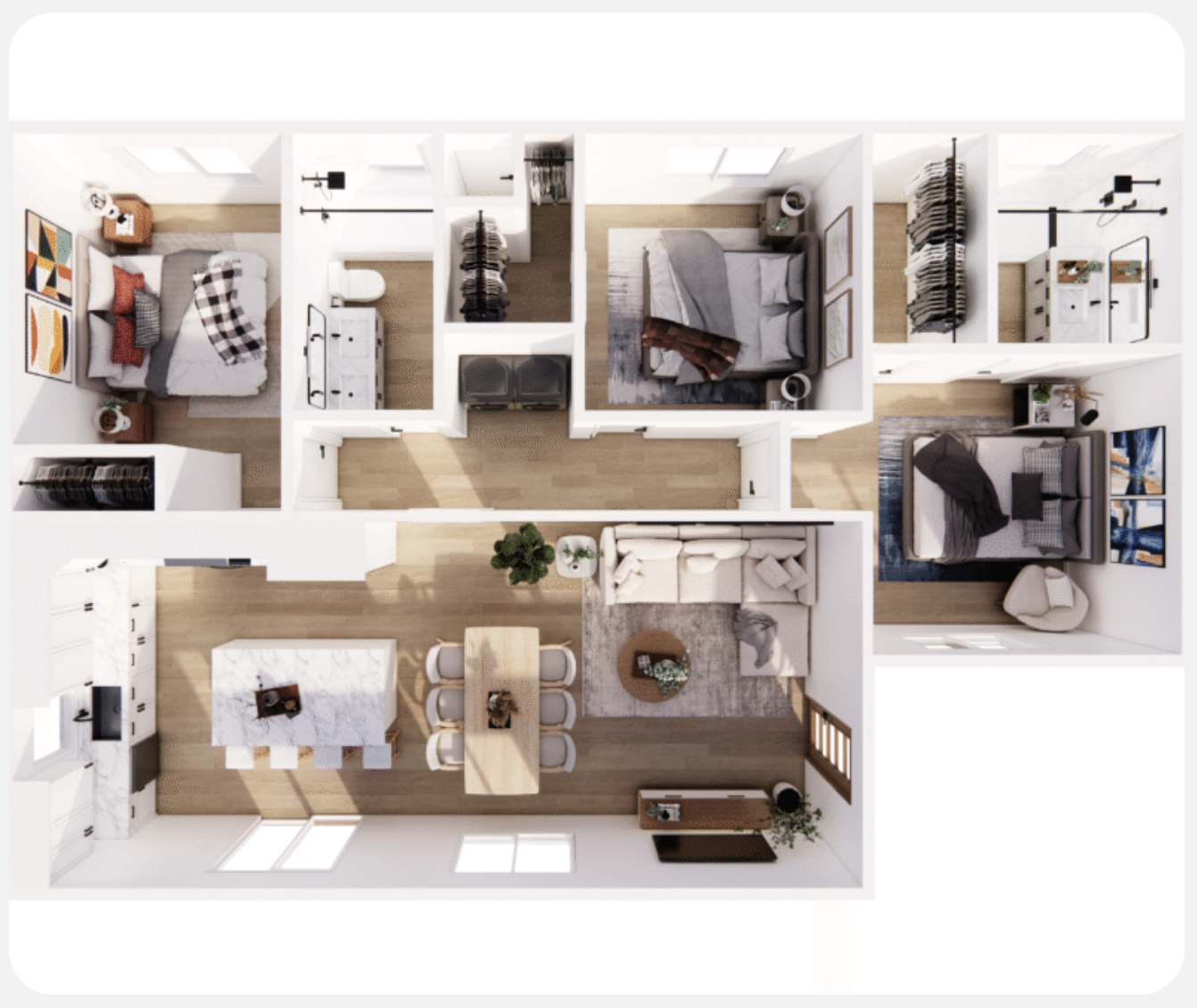
Layout planning becomes more complex with multiple units. Depending on the property, units may be stacked, placed side-by-side, or scattered across the lot. Maintaining usable outdoor space, privacy, and visual cohesion is key to preserving property value.
Cost Considerations: 1 ADU vs Multiple ADUs
Building multiple ADUs can create economies of scale, but the savings are often modest. In the Bay Area, the cost to build a single ADU typically ranges from about $150,000 to $475,000, depending on square footage, site conditions, utility connections, and finish level.
When adding a second unit, costs often come in at roughly 80 to 85% of the first due to shared mobilization, project management, and permitting. However, each dwelling unit still requires its own kitchen, bathroom, and independent systems.
High-cost items such as utilities, impact fees, and building permits apply per unit. Despite this, multiple ADUs often generate increased rental income that significantly outweighs the incremental construction cost over time.
Quality Standards Across Multiple Units
Maintaining consistent quality across multiple units is essential. Apex Homes builds each dwelling unit with fire-rated construction between units, independent HVAC and electrical systems, and durable, premium finishes.
Quality construction reduces long-term maintenance, improves tenant retention, and protects property value. Complimentary solar integration across units can also offset energy costs and support sustainability goals.
Permitting Strategy for Multi-Unit Projects
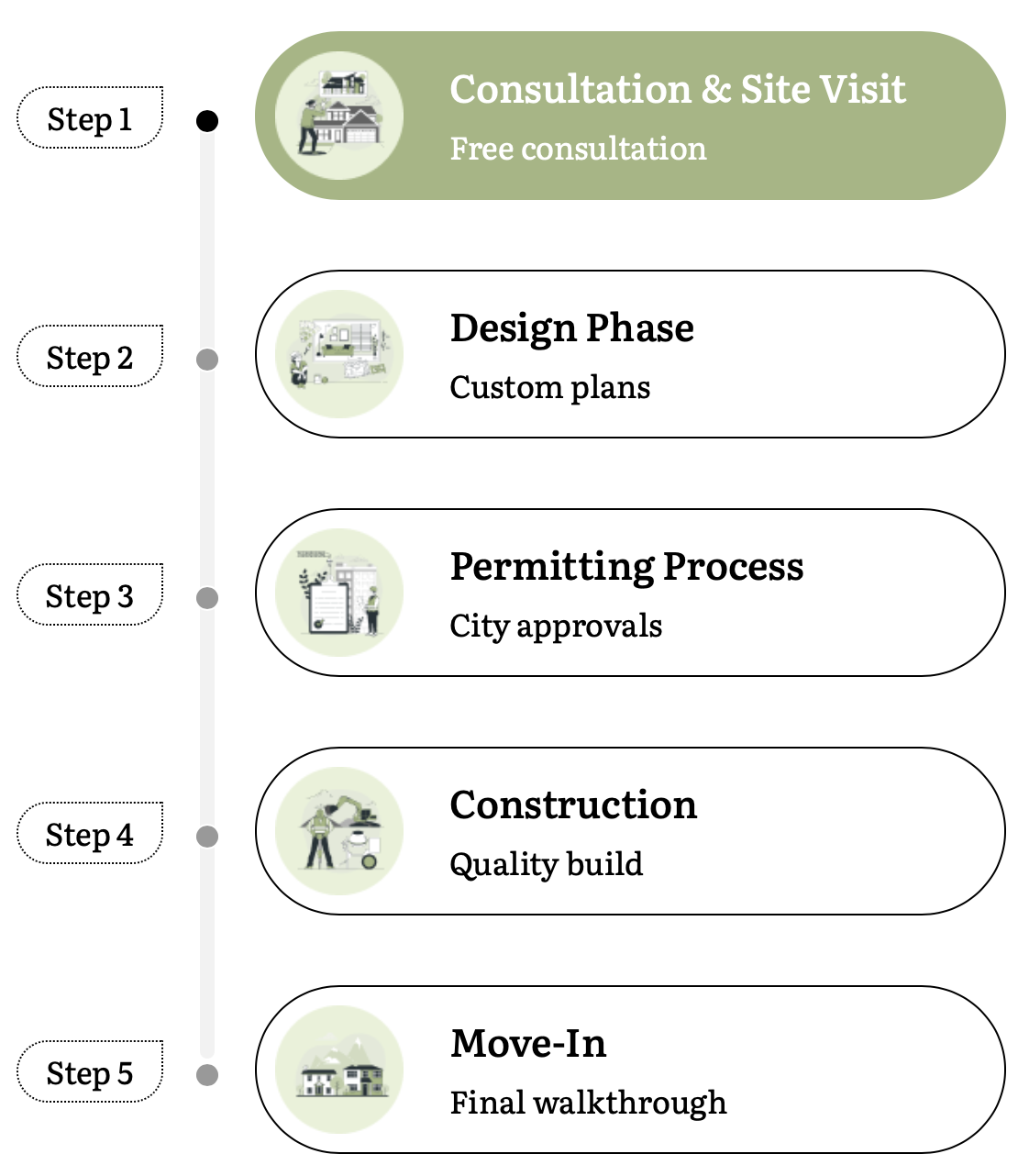
Permitting accessory dwelling units becomes more complex as the unit count increases. Apex Homes approaches this with comprehensive upfront planning, coordinating zoning, land use, and building codes before submitting applications.
Pre-approved plans can accelerate timelines, but multi-unit projects still require close coordination with the local planning department. A single ADU may take several months to permit, while multiple ADUs often require additional review, though state-mandated timelines still apply.
Design Integration and Property Cohesion
When building multiple ADUs, thoughtful design prevents the property from feeling overcrowded.
Aligning materials, rooflines, and massing with the primary home helps multiple structures feel intentional rather than piecemeal. Privacy between units is equally important and can be achieved through layout, separate entrances, window placement, and landscaping.
Utility planning also plays a role in long-term usability. Shared utilities may reduce upfront costs, while separate meters can simplify billing and resale. Finally, allocating outdoor space — whether shared or private — helps maintain livability and protects property value as unit count increases.
Maximize Your Property with Multiple ADUs
Maximizing your property with multiple ADUs is one of the most effective ways to respond to California’s housing shortage while building long-term value.
Whether you own a single-family home or a multifamily property, understanding how many ADUs are allowed — and how to build them correctly — can unlock substantial opportunities.
Transform your underused property into a valuable multi-unit asset. Contact Apex Homes for a free consultation and discover what’s possible on your property.