
Owning a Tenancy in Common (TIC) unit or a multi-unit building comes with unique challenges, but also significant opportunities. While financing, resale, and city regulations can be complex, knowing condo conversion rules can help California owners unlock property value and maximize long-term benefits.
In this guide, we will:
- Explain what is condo conversion, and
- Show how a full-service partner like Apex Homes helps property owners prepare buildings, plan upgrades, and navigate conversion or permitting processes across California.
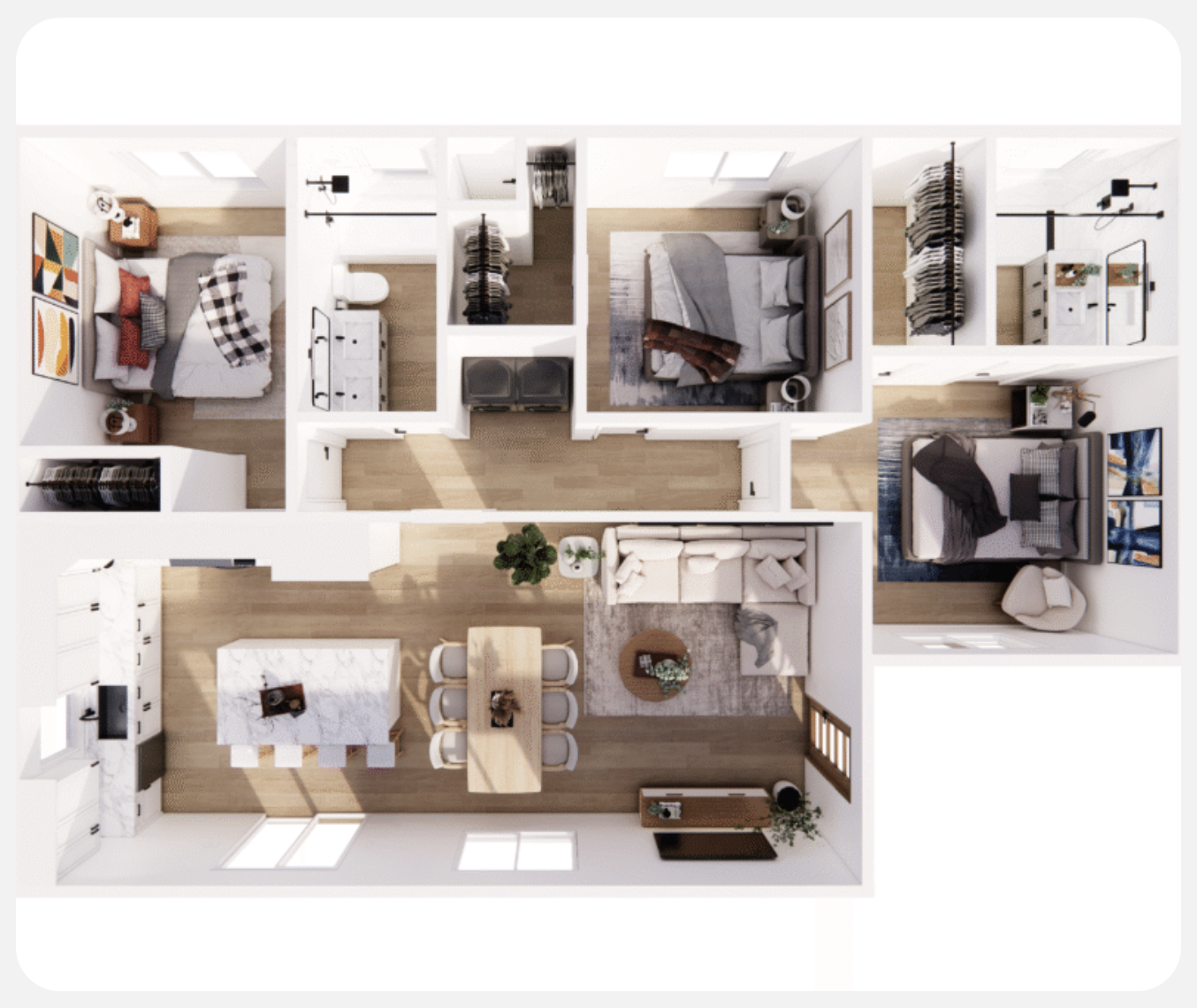
What is Condo Conversion in the Bay Area?
Condominium conversion is the process of transforming a multi-unit building, often owned as a TIC, into separate condominium units, each with its own deed and parcel number.
The condo conversion process involves multiple city agencies including the:
- Department of Public Works
- Planning Department
- Rent Board; and
- Local rent ordinances.
For property owners, condo conversion shifts ownership from shared joint liability to individual ownership, creating more flexibility in financing, selling, and long-term planning.
Understanding Condominiums vs TIC Ownership
Before pursuing condo conversion, it’s crucial to understand the differences between condominiums and Tenancy in Common (TIC), as ownership structure affects financing, liability, and resale options.
Condominiums
A condominium gives each unit a separate title. Owners share common areas through a homeowners association (HOA). Key benefits include:
- Individual property tax bills
- Standard mortgage financing; and
- Freedom to sell or transfer units independently
TIC (Tenancy in Common)
A TIC involves shared ownership of the entire building, with exclusive rights to occupy specific units through a TIC agreement. Drawbacks include:
- Fractional loans, which are harder to obtain
- Higher interest rates; and
- Joint liability among all owners
Understanding these ownership structures helps property owners evaluate whether condo conversion makes sense for their building. Choosing the right path can simplify financing, reduce liability, and increase long-term property value.
Why Property Owners Pursue Condo Conversion
Converting a building from TIC to condominiums provides several advantages for property owners:
- Increased property value. Converted units can appreciate approximately 8%, depending on the neighborhood and market, according to real estate data at the time of writing.
- Easier individual unit sales. Individual units are easier to market, expanding the potential buyer pool.
- Better financing options. Standard 30-year mortgages replace fractional TIC loans.
- Estate planning benefits. Individual titles simplify inheritance and tax planning.
- Exit from shared TIC liability. Owners assume responsibility for their own units.
Considering a property conversion project? Contact Apex Homes today for a feasibility consultation!
Condo Conversion Landscape: Current Rules and Reality
The rules for condo conversion have changed significantly over the last decade. With the condo conversion lottery suspended and the Expedited Conversion Program (ECP) closed, many property owners are unsure of what’s currently possible.
These changes were driven in part by policies first implemented in San Francisco, where stricter conversion limits were introduced to address tenant displacement concerns.
The Suspended Lottery System (2013-2025+)
Previously, buildings with 3-6 residential units could convert via an annual condo lottery. The lottery was oversubscribed, creating long waits and uncertainty.
In 2013, Ordinance 117-13 temporarily suspended the lottery to address tenant displacement and housing supply concerns. The ECP allowed some buildings to bypass the lottery, especially those with long-term owner occupancy and clean eviction history.
Today, the ECP no longer accepts applications, leaving the 2-unit bypass as the primary pathway for property owners.
What’s Actually Possible Now: The 2-Unit Bypass
Currently, the only active path for condo conversion SF is the 2-unit owner-occupancy bypass. This option is ideal for property owners seeking a clear, predictable way to convert a two-unit building into separate condominium units without relying on the suspended lottery. Key requirements include:
- Owner occupancy: Both units must have been continuously owner-occupied for at least 12 months.
- Proof of occupancy: Documentation can include tax returns, utility bills, or other official records to verify residency.
- Clean eviction history: Buildings cannot have prior Ellis Act or owner-move-in evictions affecting protected tenants, ensuring eligibility for conversion.
This bypass provides a structured, reliable path for property owners to move forward with the condominium conversion process.
It allows planning for necessary building upgrades, securing financing, and coordinating inspections, giving owners more control over timelines and reducing uncertainty compared with larger buildings waiting for lottery opportunities.
Buildings with 3-6 Units: Planning for Future Opportunities
For larger buildings, condo conversion isn’t currently possible due to the suspended lottery and closed ECP. However, property owners can still prepare by:
- Increasing owner occupancy to strengthen future eligibility
- Avoiding disqualifying evictions to maintain compliance
- Updating TIC agreements for smoother legal processing; and
- Upgrading plumbing, electrical, and life-safety to streamline future inspections
Consulting with experts early can help property owners plan renovations that maximize unit building appeal for future conversion.
Apex Homes has hands-on experience guiding property owners through complex conversion projects across the Bay Area. Learn how we completed California’s first AB1033 ADU condominium conversion and turned a challenging project into a successful, compliant condo development.
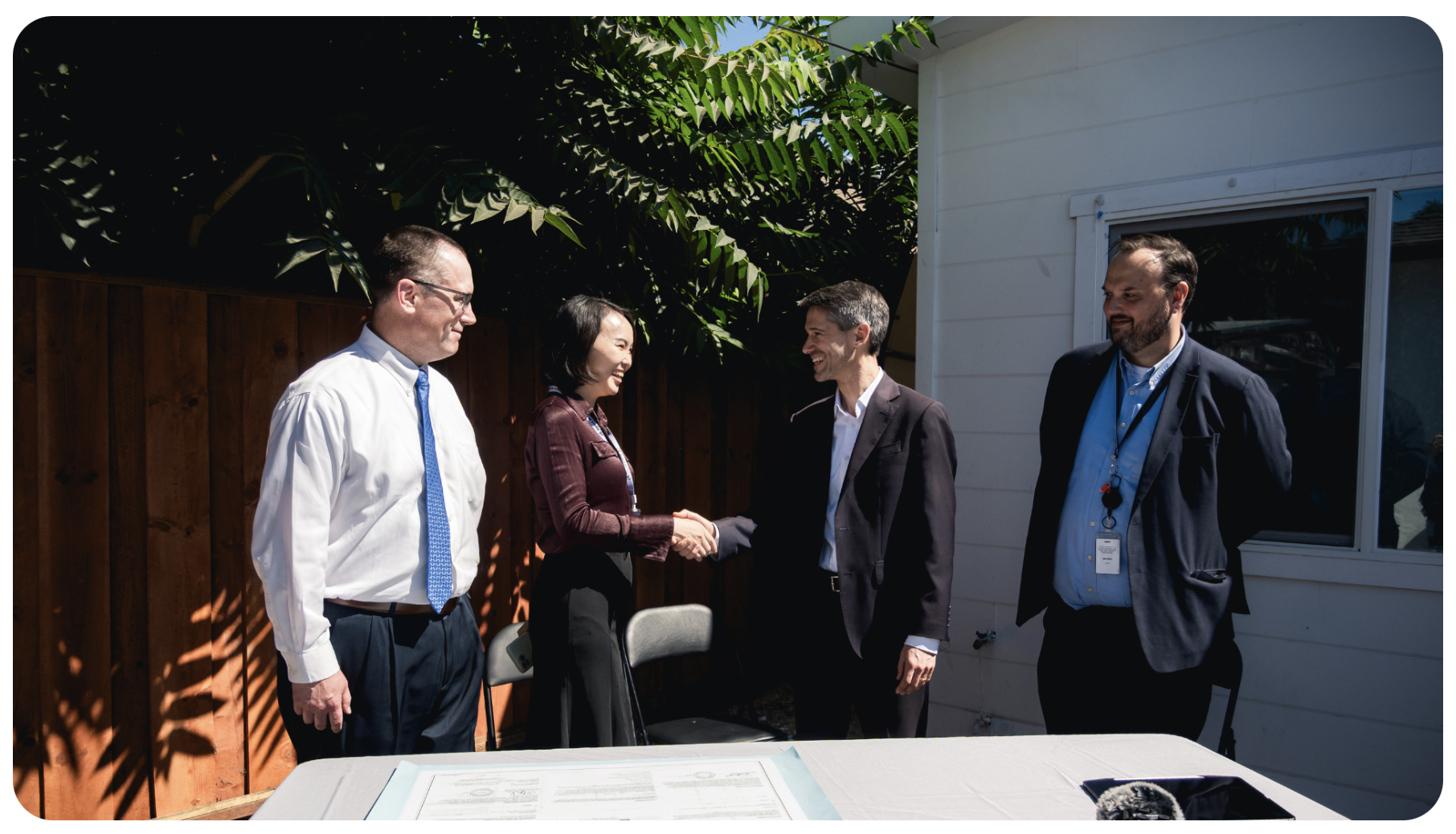
Overview: The Condo Conversion Process
Condo conversion involves multiple stages and multiple city agencies, which can feel overwhelming without guidance.
Below is a simplified overview of the process, so property owners understand the general flow without getting bogged down in technical details.
- Verify eligibility. Confirm owner occupancy, eviction history, and building type. This step ensures you’re starting with a clear understanding of what is possible.
- Initial consultation. Meet with a specialist who can evaluate your building’s regulatory and construction needs so you have a roadmap before spending money.
- Prepare documentation. This includes drafting the application packet, affidavits, sworn statements, and mapping documents required by Public Works.
- Submit the application. Once submitted, the city begins its review and schedules inspections as needed.
- Building inspection. Public Works performs a thorough inspection to identify code upgrades or safety corrections required for conversion.
- Complete building upgrades. Most buildings require updates ranging from electrical or plumbing improvements to life-safety features.
- Record the condominium map. After all requirements are met, the new condominium map is recorded with the title company and new ownership structure is established.
- Form the HOA. Owners adopt CC&Rs (Covenants, Conditions, and Restrictions), establish homeowners association dues, and create a functional homeowners association for long-term management.
To avoid unnecessary delays, most owners choose to work with a full-service partner who handles both the permitting process and the construction work. Apex Homes handles both — ensuring your condo conversion meets all requirements while maximizing property value.
Why Partner with Apex Homes for Condo Conversion?
Condo conversion requires both regulatory expertise and technical construction capability. Apex Homes offers a streamline, end-to-end Bay Area solution:
Turnkey Expertise: Regulatory + Construction
- Apex Homes understands various city and county requirements and the construction work required to satisfy them.
- You get a single point of contact for every phase of the project, reducing delays and miscommunication.
- With deep Bay Area permitting experience, our team handles complexities efficiently.
- All construction is managed in-house for consistency and quality control.
- Apex Homes delivered the first AB1033 ADU condominium conversion in California, proving our capacity to manage complex and pioneering projects.
Quality Construction That Maximizes Value
Apex Homes goes beyond minimum compliance. We design and build upgrades that elevate property value and appeal to buyers.
- We modernize finishes and building systems to create units that show well and command a premium.
- Energy-efficient upgrades reduce long-term operating costs.
- A design-forward approach ensures the property reflects current market preferences.
- Pre-approved plans set accelerated timelines.
- Construction is coordinated with the mapping process to avoid delays.
Bay Area Market Knowledge
Apex Homes brings regional experience that matters:
- We understand the unique regulatory and market conditions across the Bay Area, including highly regulated jurisdictions such as San Francisco.
- Projects across the broader Bay Area give us insight into pricing, demand, and timelines.
- Cross-jurisdictional capability ensures expertise for owners with multiple properties.
- We approach each project with data-driven guidance, not guesswork.
Navigate Condo Conversion with Confidence
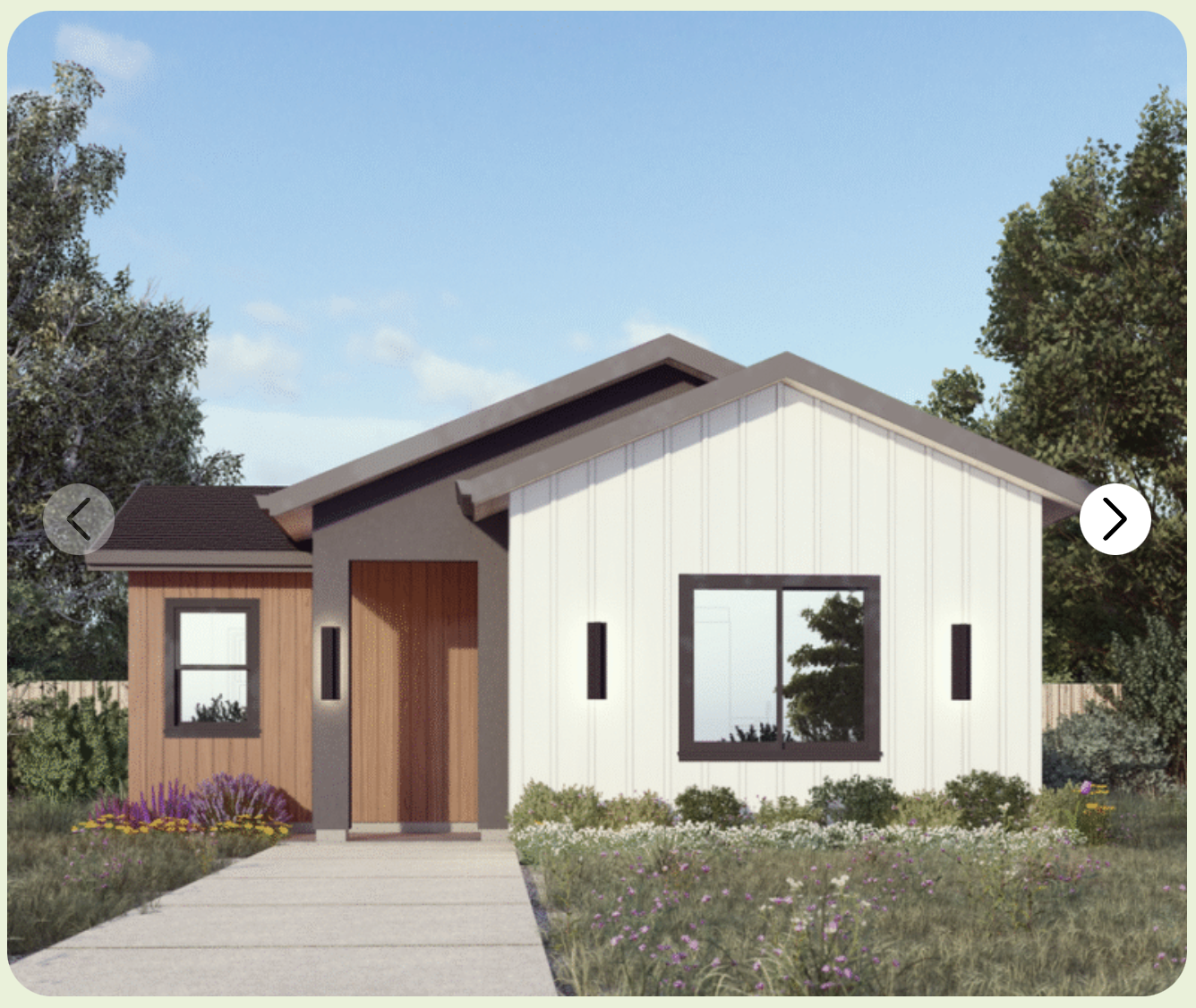
Condo conversion rules are complex, but the pathway can be manageable with the right guidance. Apex Homes provides Bay Area owners full-service support — from feasibility planning to construction upgrades.
Ready to explore condo conversion for your Bay Area property? Contact Apex Homes at (408) 877-8080 for a free feasibility consultation.