
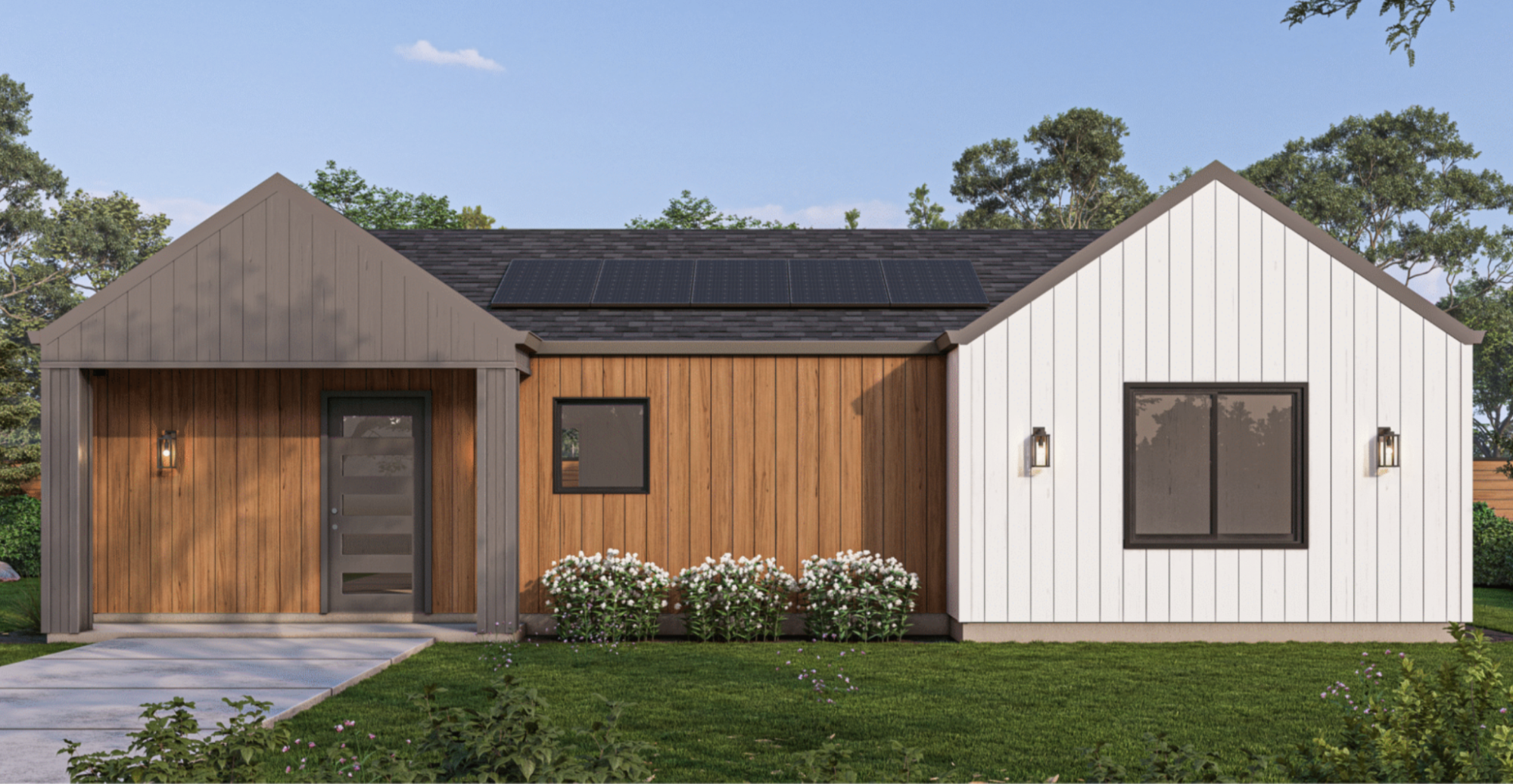
Many Californians are discovering that an accessory dwelling unit (ADU) isn’t just a rental in the backyard. It can be your actual home.
So, can an ADU be a primary residence? Yes. In California, an ADU can legally serve as your primary residence, provided it meets state and local regulations.
This matters more than ever in a housing market where prices across the Bay Area and greater California continue to challenge even high earners.
Whether you’re downsizing, planning for rental income, or exploring homeownership through an ADU condo conversion, understanding how this works in practice can open real options.
In this article, we’ll break down:
- What “primary residence” means
- How California law treats ADUs
- Real-world scenarios homeowners are using today
- The tax implications, and
- How AB 1033 now allows certain ADUs to be sold separately as condominiums
What Does “Primary Residence” Actually Mean for an ADU?
A primary residence is the home where you live most of the time. It’s the address tied to your taxes, voter registration, driver’s license, and legal documents. From a financial and legal standpoint, it’s your main residence.
The confusion comes from the word “accessory”. In zoning language, an accessory dwelling unit refers to its relationship to the lot; it is subordinate to the primary dwelling on the same lot. It does not mean the structure can’t be your primary home.
Under California law, you can:
- Live in the ADU and rent out the main house
- Live in the main house and rent out the ADU
- Occupy both structures with family members
The term “accessory” is about land use classification, not residency rights. That distinction is critical for homeowners exploring living in an ADU as a primary residence in California as an option.
Is It Legal To Live in an ADU as Your Primary Residence in California?
Yes, California state law explicitly permits this.
The state has progressively removed barriers to ADU development, including owner occupancy restrictions.
Under Assembly Bill 976, the previous requirement that a property owner live on-site has been removed indefinitely for most ADUs. That means a property owner does not have to occupy either the primary dwelling or the ADU in many cases.
This approach is now standard practice across major cities like:
- Los Angeles
- San Francisco
- San José
Each city processes ADU permits through its local planning department, but state law sets the baseline rules.
There is one key structural rule: you cannot build an ADU on a vacant lot by itself. An accessory dwelling unit must be located on the same lot as an existing primary residence or be built concurrently with a new construction single family home.
There is also a junior ADU caveat. If a property includes both a standard ADU and a junior ADU (JADU), California law requires owner occupancy in either the main dwelling or the junior ADU. That is one of the few remaining owner occupancy rules in current regulations.
As always, confirm with your local planning department for zoning requirements and permitting requirements specific to your city.
The Real-World Scenarios — How People Are Actually Doing This
In the Bay Area and greater California, homeowners aren’t just asking whether an ADU can be a primary residence; they’re actively restructuring how they live.
Here’s how it plays out on the ground.
Scenario 1: Move Into Your ADU, Rent Out the Main House
This is often the most financially powerful use case.
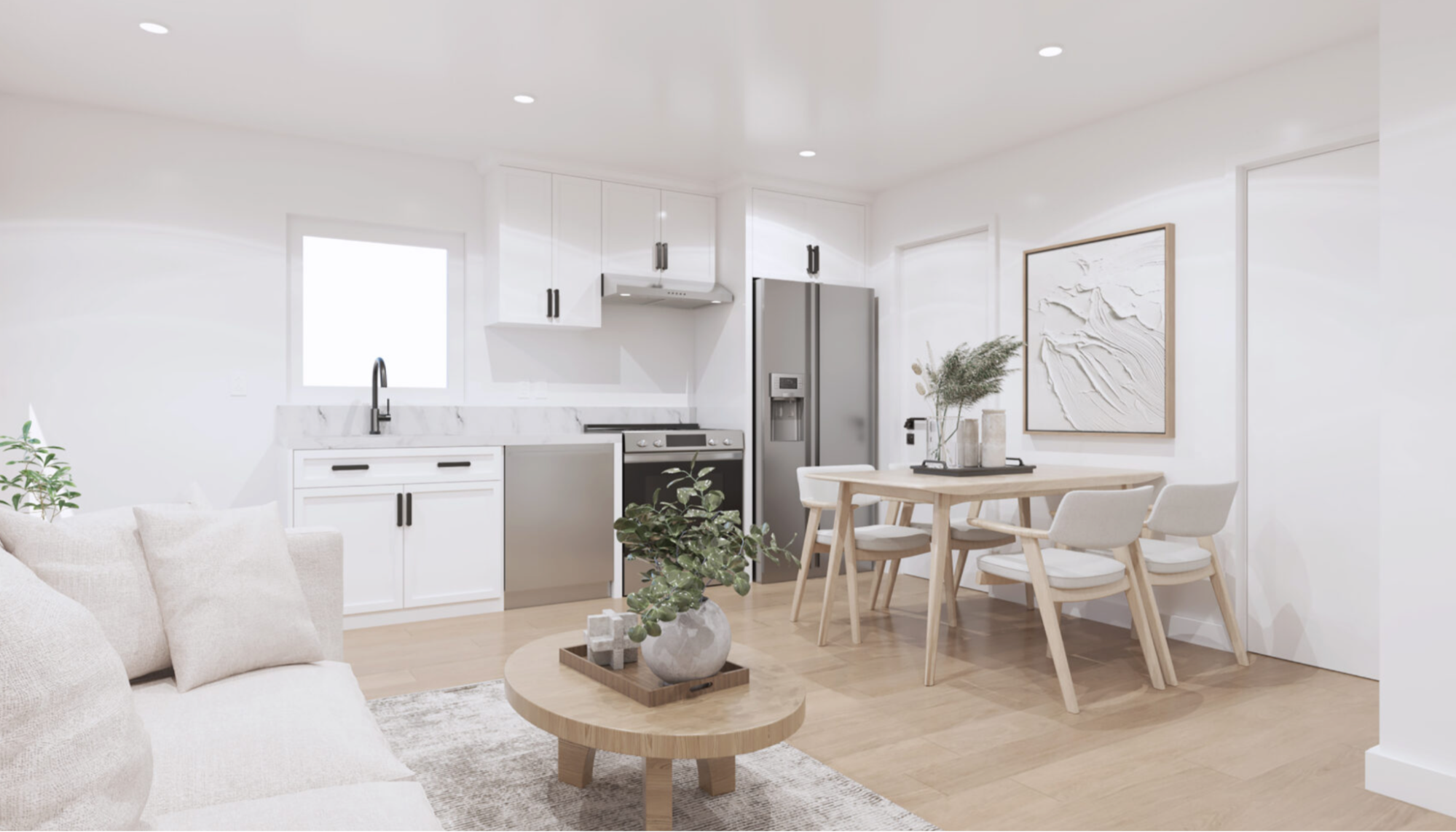
A homeowner builds a detached ADU in the backyard, downsizes into the new ADU, and rents out the main house.
In high-demand Bay Area markets, a three-bedroom main house can generate $3,000–$5,000+ per month in rental income, depending on location and square footage. In cities like Mountain View, Cupertino, and Campbell, rents may exceed that range.
Note that these figures are approximate and should be verified using current market data before making financial decisions.
For many homeowners, rental income from the main dwelling can:
- Offset mortgage payments
- Cover ADU construction financing
- Provide retirement income
- Create long-term wealth through rental properties
The ADU becomes the primary home — smaller, more efficient, fewer resources required to maintain — while the larger main house functions as an income-producing asset.
From a lifestyle perspective, this approach also simplifies upkeep. A 500–800 sq ft living space is easier to manage than a 2,000+ sq ft single family home.
Scenario 2: Owner Builds ADU for Parents or Family, Lives in Main House
In this scenario, the property owner remains in the main residence while building an attached ADU or detached ADU for parents, adult children, or other family members. These in-law units provide additional living space without requiring family members to move out of the area.
The ADU becomes the primary residence for the occupant even though it remains legally an accessory unit on the same lot. Both dwelling units must meet safety standards, building codes, and zoning regulations.
This approach provides:
- Additional support for aging parents
- Housing stability for adult children
- Privacy with proximity
- Increased property value
Unlike informal garage conversions of the past, modern ADU construction must obtain necessary permits and comply with local regulations. When built properly, the ADU meets all standards for year-round occupancy.
Scenario 3: Purchase an ADU as a Standalone Condo (AB 1033)
The most transformative shift in ADU law is Assembly Bill 1033. This law allows qualifying cities to permit an ADU condo conversion California pathway, which means certain ADUs can be sold separately as condominiums.
Under AB 1033, a buyer can potentially purchase just the ADU unit without owning the main house. That ADU can then serve as the buyer’s primary residence.
In 2024, Apex Homes completed California’s first-ever ADU condo conversion in partnership with the City of San José. This milestone demonstrates that a separate sale of an accessory unit is no longer theoretical; it’s happening.
This model creates new housing inventory in built-out neighborhoods without requiring large-scale redevelopment. For buyers priced out of traditional single family housing, an ADU condo may offer a more attainable entry point.
Note that not every city has adopted AB 1033 procedures yet, so check with your local planning department to see whether your city has implemented this option.
What Requirements Must an ADU Meet to Be Used as a Primary Residence?
If you’re planning to live in an ADU as your primary home, the unit must function as a complete, independent dwelling.
An ADU must include:
- A kitchen with a cooktop, refrigerator, and cabinets
- A bathroom with at least a three-quarter bath
- A sleeping area
- A separate entrance
- Independent access from the main house
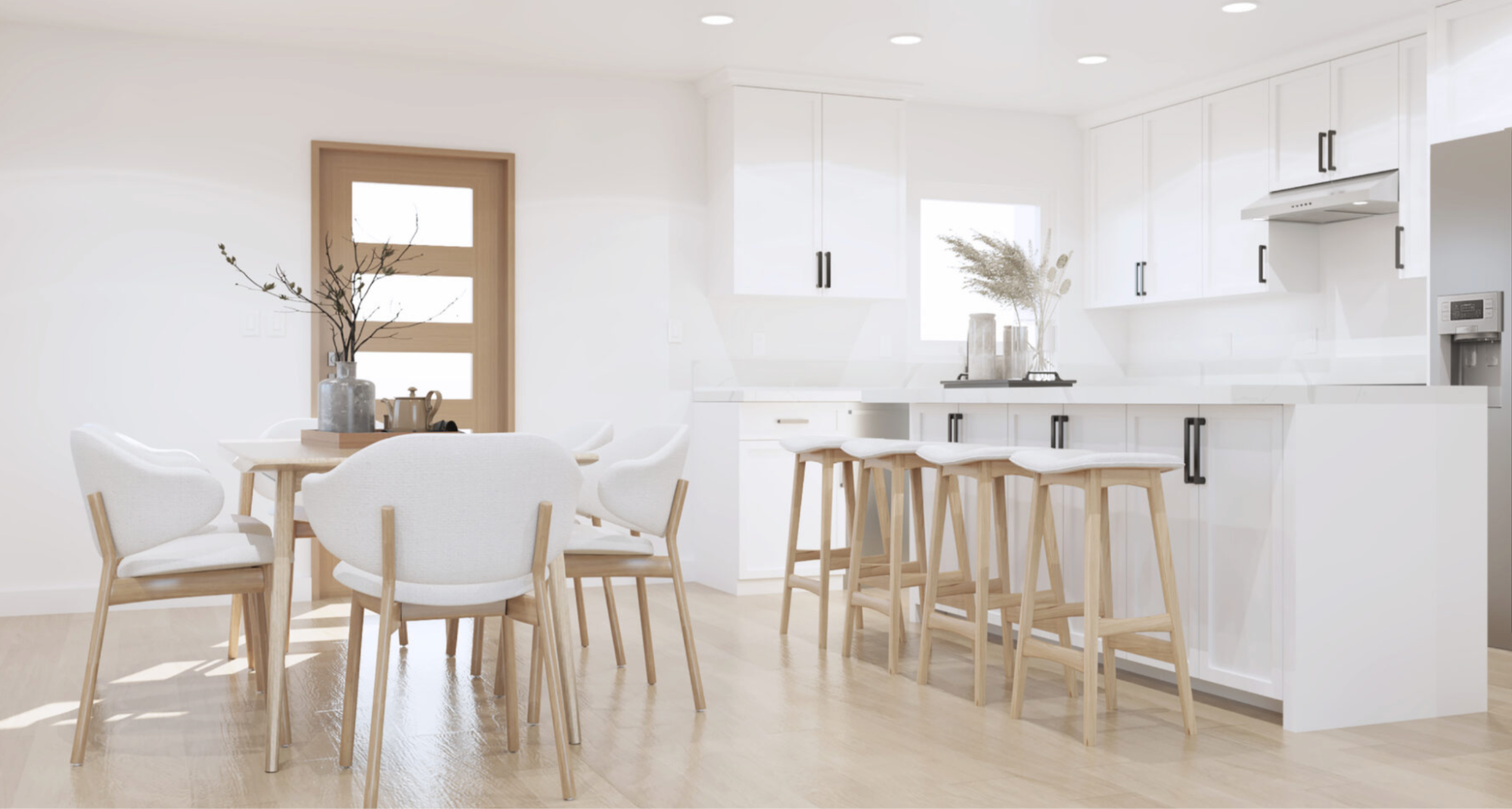
The ADU must comply with local zoning laws, setback rules, height limits, and building codes. Every ADU must obtain a valid building permit and pass inspections, including structural, energy compliance under Title 24, and fire separation requirements.
The minimum size under California law is 150 sq ft, though livable ADUs typically range from 400 to 1,200 sq ft.
For newly constructed detached ADUs, solar panels are required under state energy regulations. Panels can be installed on either the ADU or the main home.
Importantly, a homeowners association cannot outright prohibit ADU construction, though it may impose reasonable design restrictions.
If you’re building an ADU to serve as your primary home, make sure that:
- The unit has separate utilities or submetering where required
- You’ve reviewed zoning requirements with the city
- All permitting processes are complete
- The ADU meets safety standards for full-time occupancy
- Skipping permits can create resale and financing issues later.
Tax Implications of Living in Your ADU as a Primary Residence
Tax considerations are often the deciding factor in whether an ADU can be a primary home that makes financial sense.
Property taxes. When you build an ADU, only the new ADU is reassessed, not your existing home. In California, property taxes typically range from about 1% to 1.5% of the construction cost.
If your ADU construction cost is $250,000, expect roughly $2,500–$3,750 per year in additional property taxes. Confirm rates with your county assessor.
Capital gains exclusion. If the property qualifies as your primary residence for at least two of the past five years before selling, you may exclude up to $250,000 (single) or $500,000 (married) in gains under federal tax law. Allocation between the main house and ADU can be complex, so consult a CPA.
Rental income. If you live in the ADU and rent out the main house, rental income is taxable. However, you may deduct:
- Mortgage interest (proportional to rental use)
- Depreciation
- Maintenance and repairs
- Property management
- Utilities allocated to the rental portion
Tax law is subject to change. Always verify current regulations with a qualified tax professional before making decisions.
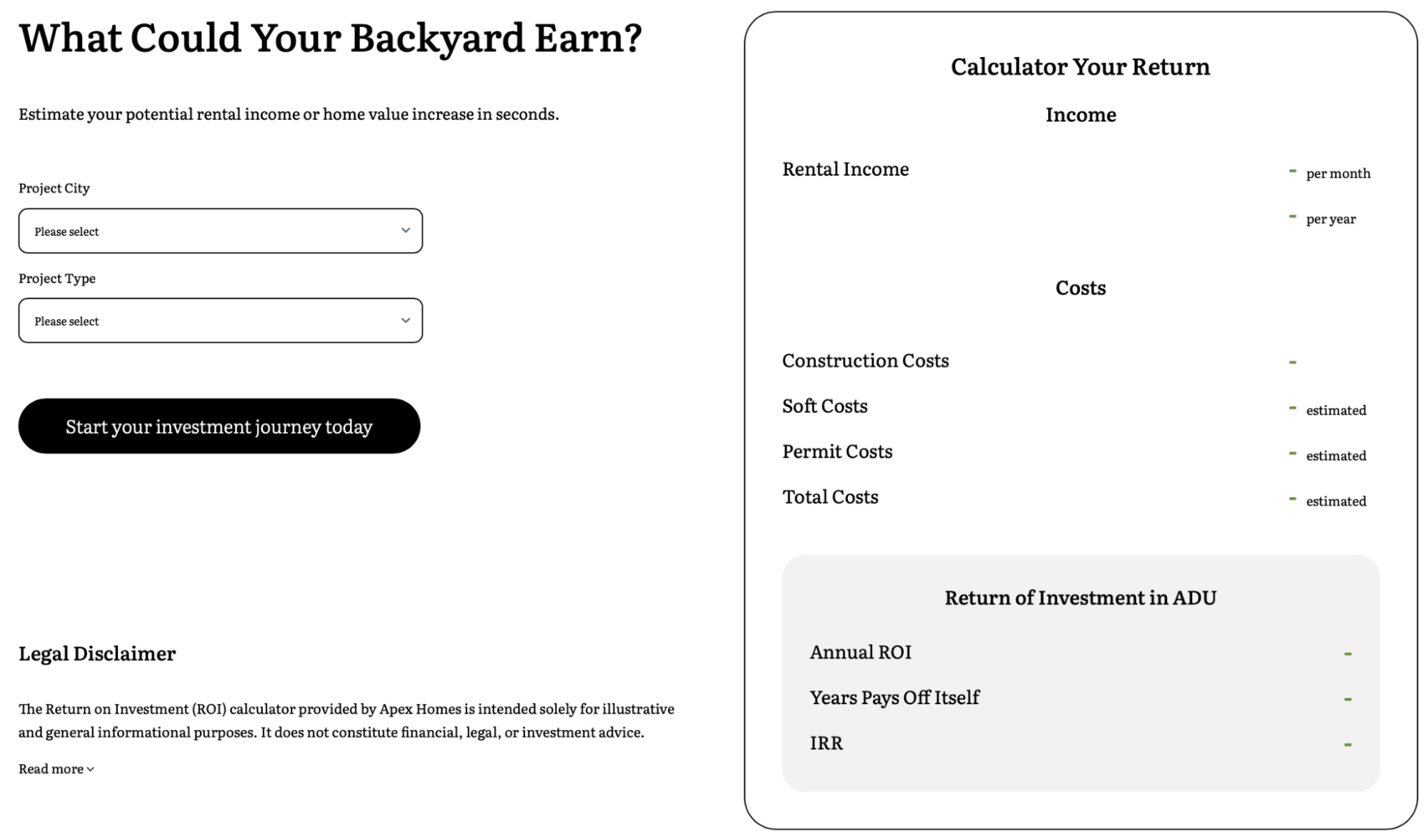
Why Build With Apex Homes If You’re Planning to Live in Your ADU?
If your goal is to use an ADU as a true primary residence, not just additional space, quality matters.
Apex Homes builds turnkey, move-in ready ADUs designed for full-time living. Units include solar, appliances, and functional layouts that maximize square footage. These aren’t stripped-down backyard cottages; they are complete homes.
Our pre-approved plans help streamline permitting processes and reduce surprises with local planning departments across:
- San José
- Campbell
- Cupertino
- Mountain View
Apex Homes also completed California’s first ADU condo conversion under AB 1033, demonstrating expertise in both construction and separate sale pathways.
Transparent pricing starts at $185,000 for a 1BR/1BA 495 sq ft model and ranges to $268,000+ for larger 2BR/2BA layouts.
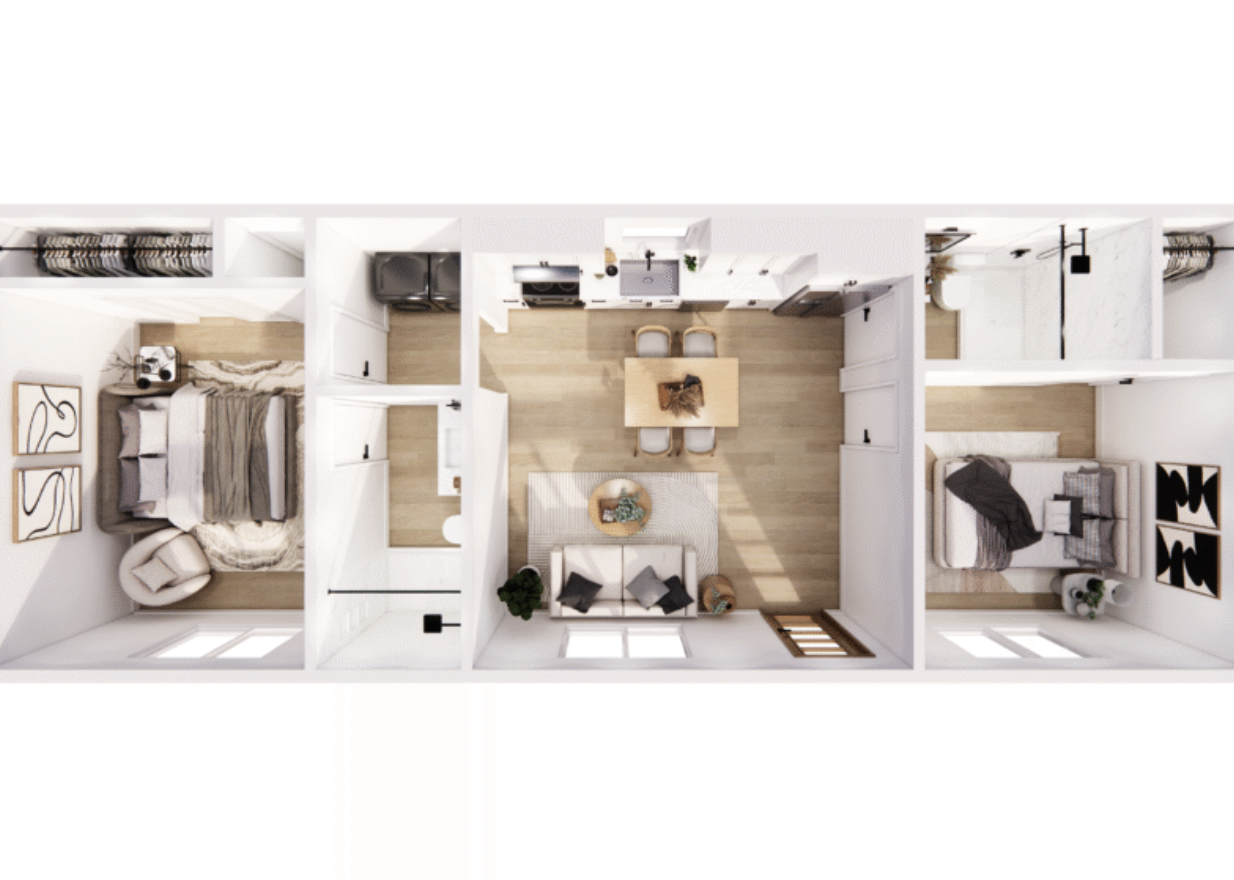
Get a free site consultation today and explore how Apex Homes can assist you!
Turn Your ADU Into Your Primary Home. Start Planning Today!
Living in your ADU isn’t a workaround. It isn’t a loophole, and it isn’t a compromise. In California, an accessory dwelling unit can absolutely serve as your primary residence.
Whether you’re downsizing into a detached ADU and turning your main house into a rental asset, creating additional support for family members, or purchasing an ADU condo under AB 1033, the legal pathway is clear.
The key is doing it correctly with proper permits, compliance with local zoning laws, and a design that supports real daily living.
If you’re exploring whether building an ADU makes financial and practical sense for your property, schedule a free consultation with Apex Homes.
An experienced team can evaluate your lot, explain zoning regulations, and outline a path forward that aligns with your goals.