
California homeowners are sitting on one of the smartest wealth-building opportunities in a state with a limited housing supply: accessory dwelling units (ADUs).
With strong local market demand and evolving rental trends, an ADU rental has become a practical way to generate rental income without buying property.
Some property owners already have an ADU and are ready to list it. Others are still deciding whether building an ADU makes sense for their single-family home. Either way, the goals are the same:
- Reliable rental income
- Higher property value, and
- Responsible tenants in a competitive local rental market.
This guide covers everything you need to know from ADU requirements to rental pricing; ADU rental long-term vs. short-term strategy; and how to maximize ADU ROI rental performance in California.
What is ADU Rental?
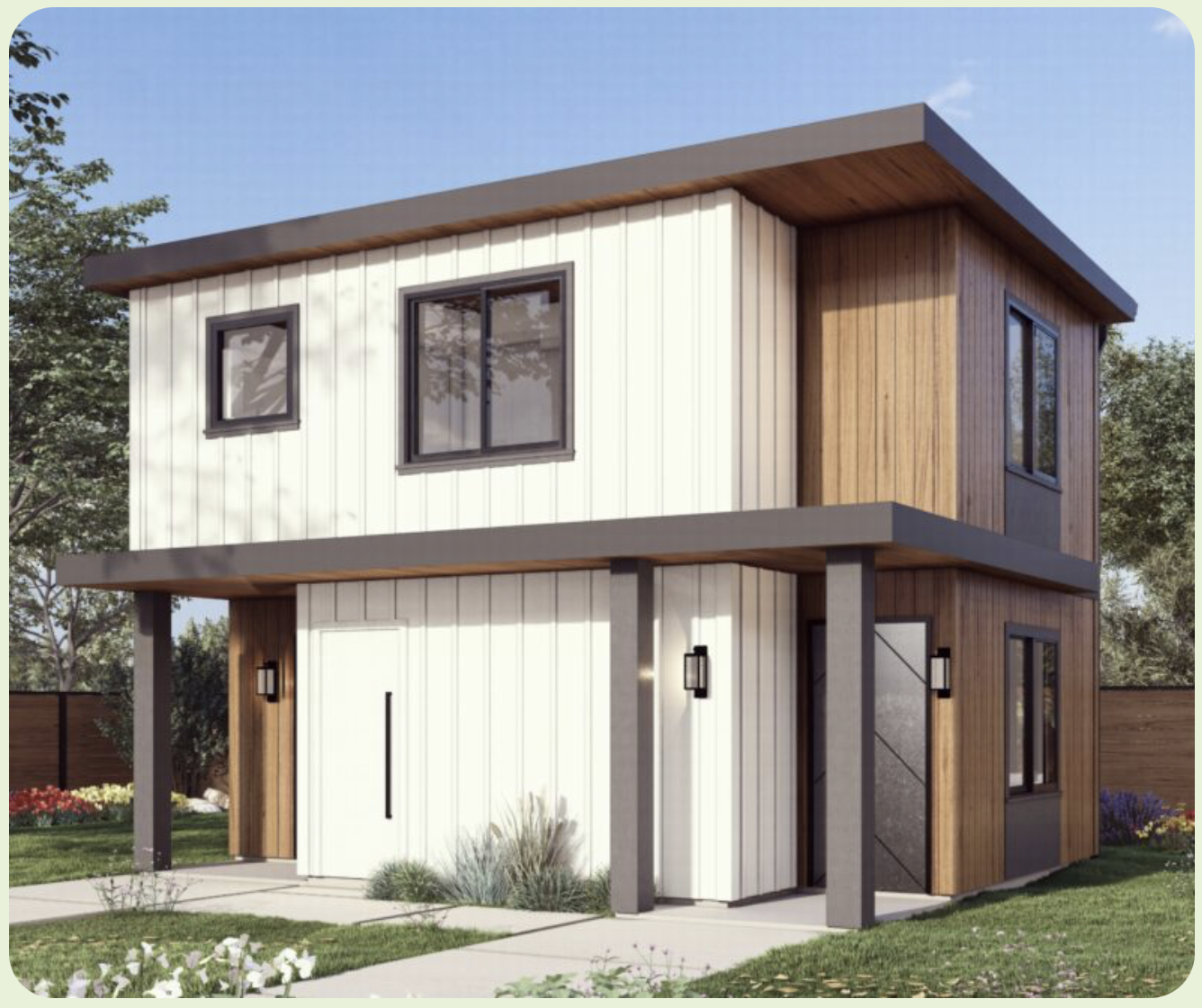
An ADU rental is when a property owner leases an accessory dwelling unit (ADU) located on the same lot as their primary residence.
ADUs are self-contained residential units with a kitchen, bathroom, and living area. They may be completely detached, attached to an existing structure, converted from a garage, or built as a junior ADU inside the home.
When used as a rental unit, an ADU becomes an income-producing part of your individual property. Homeowners rent ADUs to long-term tenants, extended family, adult children, or qualified households through dwelling unit programs.
Because ADUs are commonly referred to as “granny flats” or “backyard homes,” many prospective tenants see them as private, affordable housing near urban centers, grocery stores, and job hubs.
Why Rent Out an ADU in California?
California’s housing shortage and rising rental pricing have created ideal market conditions for ADU rentals. Local governments have relaxed local zoning regulations and building codes to increase affordable housing, making it easier than ever for homeowners to add rental units.
Whether your goal is retirement cash flow, multi-generational living, or long-term investment growth, an ADU rental strategy can deliver dependable financial returns
Generating Steady Rental Income
One of the biggest motivations for building an accessory dwelling unit (ADU) is the predictable rental income it provides. With strong local demand and limited housing supply, ADUs tend to lease quickly and hold competitive rental rates.
ADU rental prices in California may vary per location. For example, in San Jose, monthly rent for one-bedroom ADUs cost between $1,900 – $2,700 while rent for two-bedroom ADUs range from $2,700 – $4,300. In Santa Clara, monthly rent for ADUs with one or two bedrooms typically cost $2,200 – $2,800.
Actual ADU monthly rent also depends on factors such as:
- Finishes
- Parking, and
- Proximity to transit or urban centers.
Many homeowners renting ADUs use the income to offset mortgages, renovation loans, or even support adult children living nearby.
Strong ROI and Property Value Increase
Beyond monthly cash flow, ADUs can significantly increase property value. Adding a rental-ready ADU expands usable square footage and attracts future buyers looking for income potential.
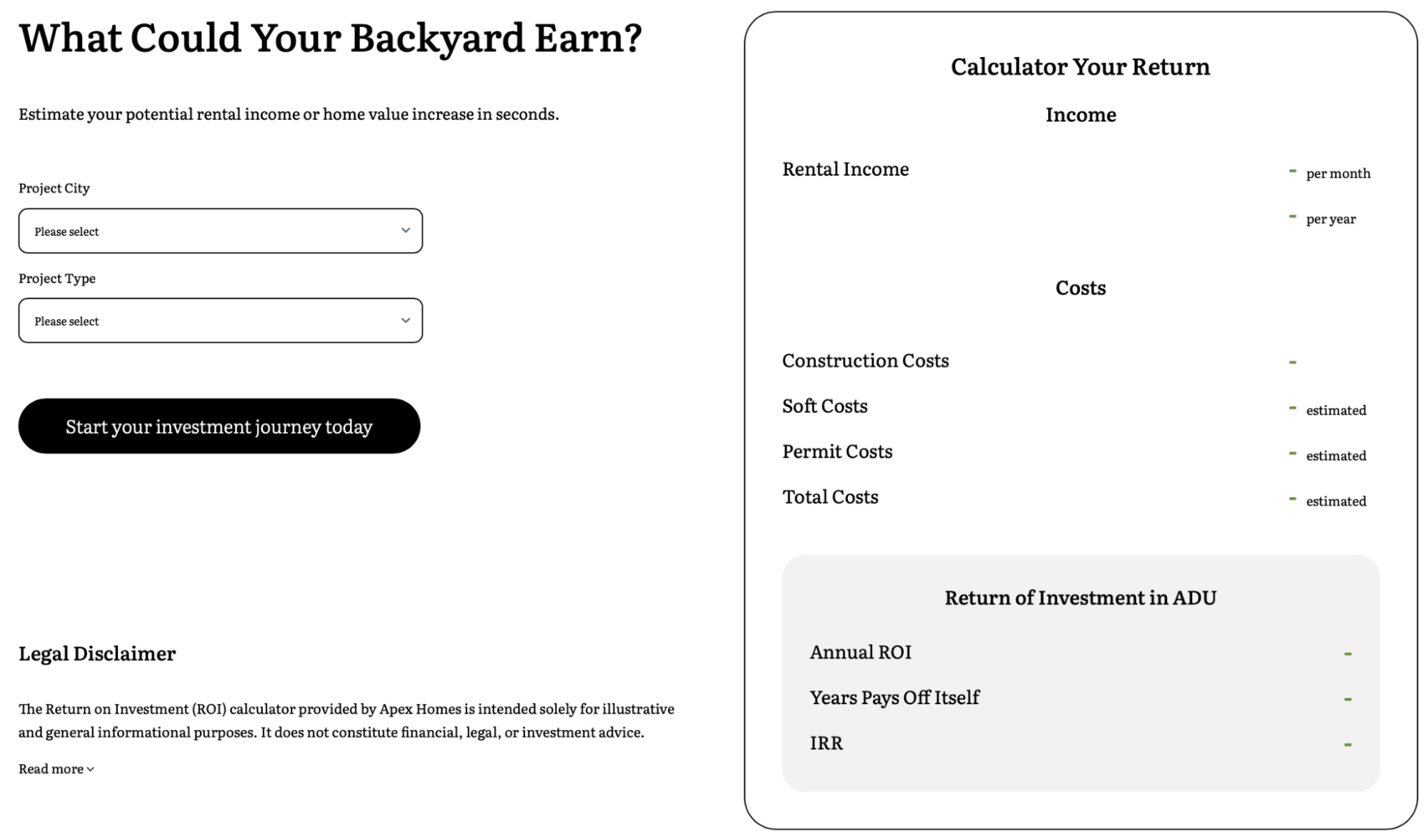
Most ADU return on investment (ROI) rental timelines in California range from 5-10 years, depending on construction costs, financing options, and rental pricing.
After the payback period, rental income becomes long-term wealth. According to real estate appraisal studies, homes with ADUs in California see property value increase by about 35%.
High Demand in California Housing Market
California continues to face a severe housing shortage, especially near coastal urban centers. The gap between local demand and available residential units keeps vacancy rates low.
ADUs attract young professionals, students, healthcare workers, small families, seniors, and extended family members. This creates a deep pool of potential tenants and reduces the risk of long vacancies.
For property owners, this demand means stable rent collection and consistent tenant interest — even during shifting market conditions.
Key Aspects of ADU Rentals: Setting Up For Success
Getting it right means understanding ADU requirements, choosing a rental strategy that fits your goals, designing for tenant comfort, and staying compliant with local laws.
ADU Requirements for Rental Use in California
State law has significantly simplified ADU requirements. Most single-family home lots now qualify for at least one accessory dwelling unit and possibly a junior ADU.
Key requirements include compliance with:
- Building codes
- Title 24 energy rules
- Fire safety standards, and
- Local zoning regulations.
Some cities require rental registration or inspections before leasing. Owner-occupancy requirements have mostly been removed for new ADUs, meaning you usually don’t need to live on-site to rent out the unit.
Short-Term vs Long-Term Rentals
Choosing between long-term and short-term rentals is a major decision in your rental strategy.
Long-term tenants provide stable monthly rental income, simpler property management, and fewer turnovers. This option fits most California homeowners seeking predictable returns and minimal daily involvement.
Short-term rentals can earn higher nightly rates but require furnishing, frequent cleaning, guest communication, and compliance with strict local laws. Some local zoning laws prohibit ADU short-term rentals entirely. Always remember to verify city rules before choosing this path.
For most property owners, long-term leasing offers the best balance of income stability and tenant satisfaction.
Design Features That Maximize Rental Appeal
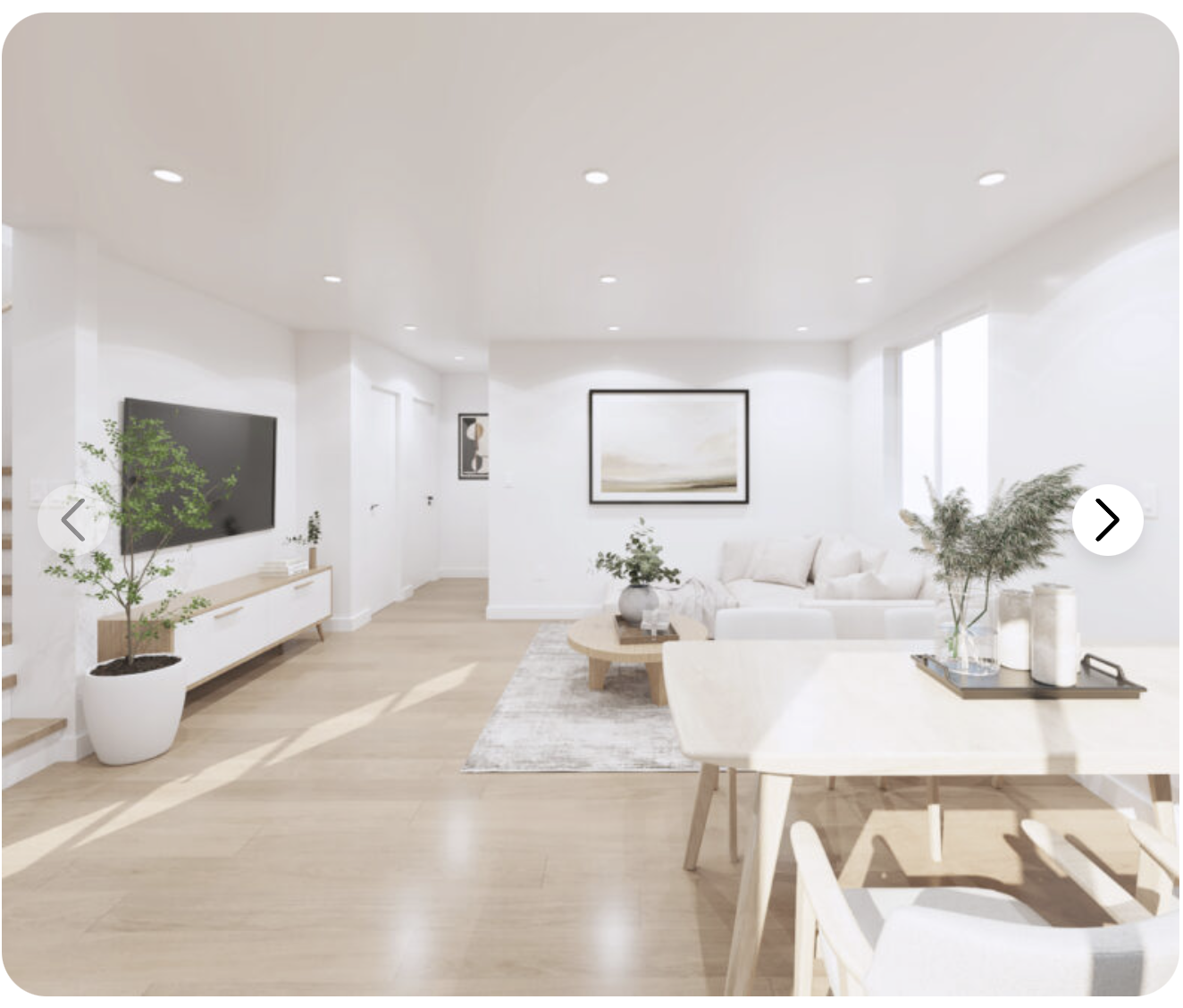
Successful ADU rentals are designed for renters, not just homeowners. Tenants value privacy, convenience, and energy efficiency.
High-demand features include private entrances, in-unit laundry, modern kitchens, sound insulation, and dedicated outdoor space. These details help secure responsible tenants and reduce property damage risk.
A well-designed ADU also supports competitive rental rates and improves tenant retention in a crowded local rental market.
Solar Panels as a Tenant Attraction Tool
Utility costs influence rental decisions. In California, new residential units must include solar under Title 24 energy rules.
Solar panels lower electricity bills for tenants, making your rental unit more attractive than similar properties. Lower utility costs also improve tenant satisfaction and speed up lease-up time.
This small feature can give your ADU a strong edge in local market demand.
Factors for Successful ADU Rentals
Finishing your ADU is a big milestone, but turning it into a profitable rental is the real win. Success comes from setting the right rental pricing, choosing quality construction, moving quickly from build to listing, and understanding your local rental market.

Setting Competitive Rental Rates
Rental pricing should reflect market conditions and comparable listings. Remember to review similar properties, amenities, and neighborhood factors when setting rent. Online platforms can also show competitive rates for similar properties in your area.
Pricing too high can cause vacancies. Pricing too low reduces ROI. A balanced rental pricing strategy keeps your unit occupied and profitable.
Quality Construction Reduces Landlord Headaches
Rental units experience daily wear. High-quality materials and professional installation reduce repairs, liability claims, and long-term costs.
Durable flooring, plumbing fixtures, cabinetry, and appliances help prevent frequent maintenance issues. This leads to smoother property management and better tenant experiences.
Quality construction also allows property owners to maintain competitive rental rates and attract higher-quality tenants.
Time To Market Matters
Every month of construction delay equals lost rental income. Faster permitting and pre-approved plans reduce waiting time and accelerate time-to-income.
Apex Homes uses pre-approved designs and deep local permitting experience to shorten approval cycles. That means your ADU is completed sooner, listed faster, and occupied earlier.
For homeowners financing construction with a renovation loan or other financing options, faster completion also lowers carrying costs.
Location and Local Rental Demand
Even the best ADU performs differently depending on location. Proximity to job centers, transit, schools, and shopping impacts rental pricing and vacancy risk.
Urban neighborhoods typically attract young professionals and students. Suburban areas appeal to families and long term tenants seeking quiet surroundings.
Understanding your local market demand helps you tailor design and rental strategy for maximum return.
Build an ADU with Apex Homes
Building an accessory dwelling unit for rental income can feel overwhelming, especially with local zoning laws, building codes, and permit timelines. That’s why many California property owners choose a team that handles everything from design to delivery.
Apex Homes specializes in rental-ready ADUs designed for strong market demand, tenant satisfaction, and long-term rental income. Our process simplifies planning, compliance, and construction so you can focus on becoming a confident landlord.

Apex Homes’ Rental-Optimized Approach
Not all ADUs are created equal. Apex Homes designs ADUs specifically for homeowners who plan to rent them out, with layouts that attract responsible tenants and command competitive rental rates.
Our rental-optimized approach includes modern floor plans, private entrances, in-unit laundry, durable finishes, and energy-efficient systems. These features reduce property damage risk while improving tenant satisfaction.
Every build also includes solar panels to meet Title 24 requirements and lower tenant utility bills — a major advantage in California’s local rental market.
From Consultation to Rental Income
Turning part of your home into a reliable source of rental income doesn’t have to be complicated. With the right team, the process stays clear, efficient, and focused on your goals.
- Step 1: Get a free feasibility study to see if your property meets local zoning regulations and ADU requirements. You’ll also receive an estimate of potential rental income based on local market demand.
- Step 2: Work with our design team to create a rental-optimized ADU that maximizes livability, competitive rental rates, and ADU ROI rental potential. Pre-approved plans help keep permitting timelines short.
- Step 3: Move into construction and final inspection. Once complete, your ADU is delivered move-in ready, so you can list it right away and start generating rental income.
Use Your ADU for Rental Income Today
California’s rental market isn’t slowing down, and homeowners with extra space are in a unique position to benefit. A well-planned ADU rental can deliver steady rental income, increase property value, and give you long-term financial flexibility.
Whether you already have an ADU or are considering building one, the next step is understanding what your own property can earn. Every neighborhood has different rental pricing, local demand, and zoning rules — and that’s where a personalized plan makes all the difference.
Get a free estimate from Apex Homes to see the specific rental income potential for your ADU. We’ll help you turn your backyard into a smart, income-producing asset — tailored to your property and goals.