
California’s housing market has made it increasingly difficult for homeowners and buyers to find cost-effective, long-term housing options.
Rents continue to rise, home prices remain high, and many “affordable housing” articles suggest unrealistic solutions like tiny homes, RV living, or relocating hours away from work and family.
For most people, “affordable” doesn’t mean giving up comfort, housing stability, or long-term investment. It means finding a modern, affordable housing solution that works with California’s regulations, lifestyle expectations, and financial realities.
Creating affordable homes should combine cost-effective construction, sustainability, supportive services, and long-term stability for residents.
This guide:
- Breaks down the most common affordable housing options in California
- Compares real estate costs, construction tradeoffs, and urban housing opportunities, and
- Explains why accessory dwelling units (ADUs) have emerged as the most affordable housing solution, providing units that support community development and residents’ quality of life.
Understanding “Affordable” in California’s Housing Market
Affordable housing in California varies depending on your situation.
Renters often define affordability as monthly payments that do not exceed 30% of their income. Homeowners, on the other hand, consider affordability in terms of total cost of ownership, rental income, and housing solutions for families or low-income residents.
Housing studies show nearly half of California renters are cost-burdened, allotting more than 30% of their monthly income on housing. Homeownership affordability is strained, with median home prices exceeding $800,000 statewide, particularly in urban life hotspots like the Bay Area.
True affordability goes beyond upfront construction costs. It involves investment in residential units, total project costs, sustainability, regulatory feasibility, neighborhood integration, and long-term residents’ well-being.
Cost-effective housing solutions provide housing stability, improve residents’ quality of life, and help families navigate the state’s ongoing housing crisis.
Comparing Affordable Housing Options: What Actually Works in California
California offers a wide range of affordable housing options, but many fail to deliver true cost-effective housing solutions. Zoning rules, permitting, construction costs, and quality of life can make headline “cheap” solutions far less affordable in practice.
When evaluating options, homeowners should consider the following:
- Long-term stability
- Income potential
- Sustainability, and
- Solutions that support urban housing and community development.
Factors like building location, site conditions, and existing buildings influence affordability, while the presence of supportive services, amenities, and access to schools, public parks, or transit can improve residents’ quality of life.
Manufactured and Mobile Homes ($45K-$100K)
Manufactured and mobile homes are frequently listed as one of the cheapest ways to build housing in California, but upfront costs rarely reflect total project investment.
While a basic unit might cost under $100,000, adding land, foundation, utility connections, transportation, permits, and park fees can quickly increase expenses. Construction in high-demand urban areas often erodes the affordability advantage.
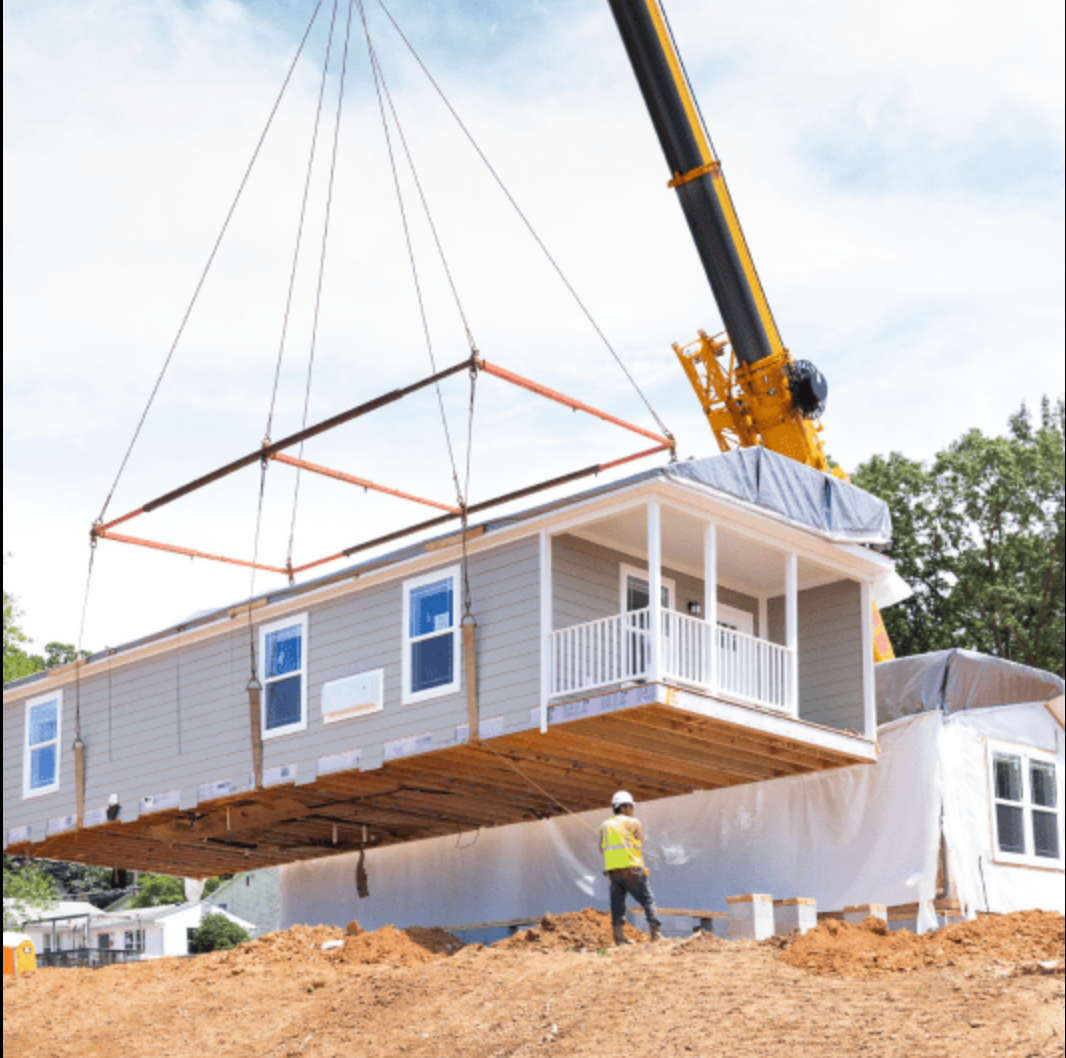
From an investment perspective, manufactured homes generally depreciate over decades if not permanently affixed to land. Zoning restrictions further limit placement, with many cities requiring placement in specific residential zones or parks.
Manufactured and mobile homes are best for: Families willing to relocate to inland or rural cities where land is less costly.
Other considerations include:
- Manufactured homes may serve low-income families, youth aging out of foster care, or residents needing immediate housing solutions.
- Community leaders often evaluate such housing projects for potential integration into social housing programs or urban housing projects.
- Long-term investment value is limited, making them less suitable for families seeking property appreciation or rental income.
Tiny Homes ($10K-$60K)
Tiny homes are widely cited in headlines for their potential to provide cheap housing, but their practicality in California is limited.
Construction costs can be low, but tiny homes often require lifestyle compromises, including minimal storage, limited privacy, and reduced livability for families.
Permitting remains a major obstacle — many cities do not allow tiny homes on wheels as permanent residences, and foundation-built units must meet standard building codes.
Tiny homes are typically restricted to ADU-eligible lots, RV parks, or pilot programs, making them niche solutions rather than scalable, modern affordable housing projects.
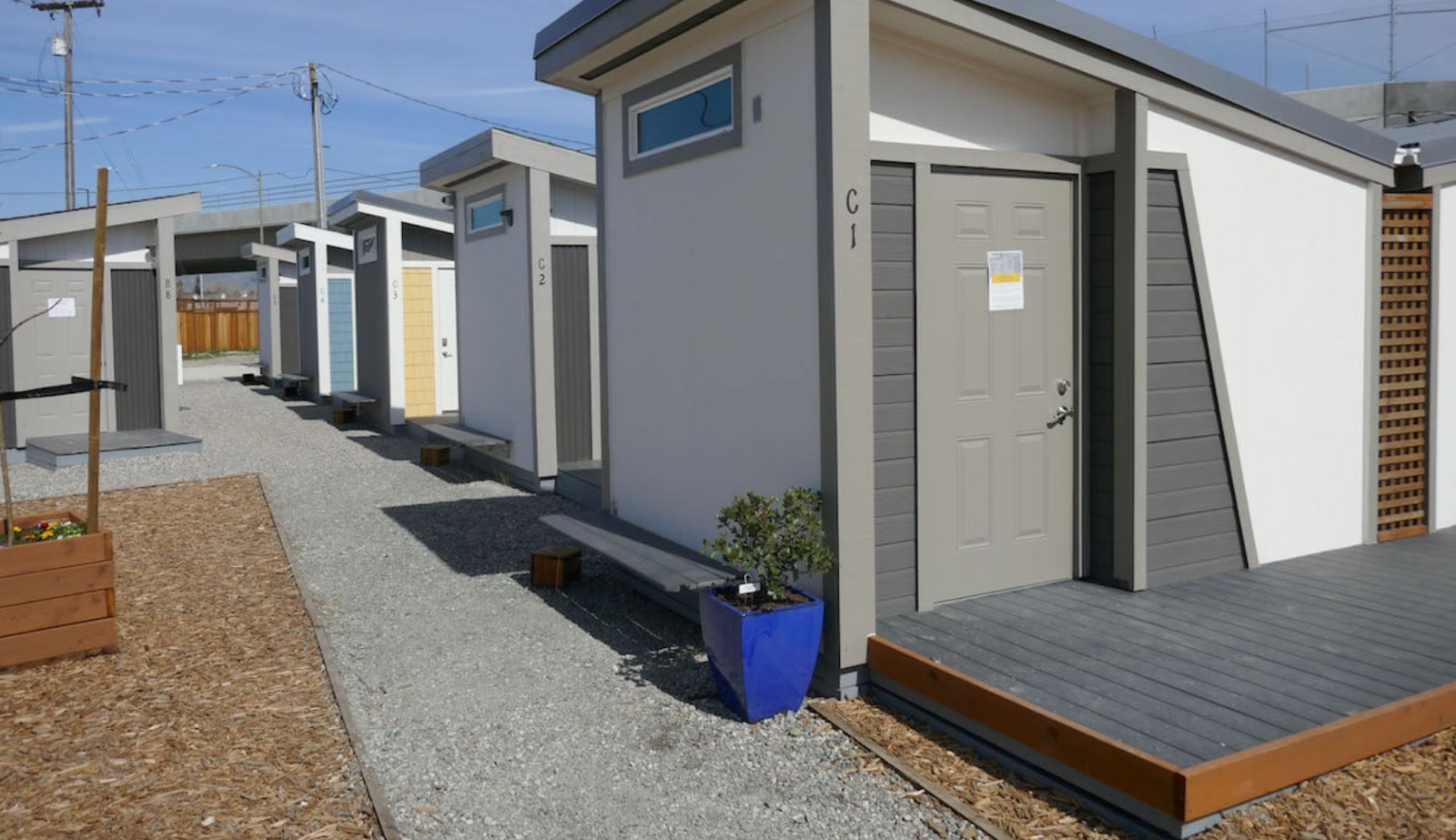
Tiny homes are best for: Minimalists, temporary housing needs, or rural properties with flexible zoning.
Other considerations include:
- Tiny homes can serve as supportive housing for homeless individuals or as transitional units for low-income families.
- Residents’ quality of life may be affected by limited space and constrained amenities.
- Community development initiatives rarely integrate tiny homes into larger urban housing projects due to zoning and site limitations.
Container Homes ($25K-$150K)
Shipping container homes appeal to DIY builders seeking sustainable, cost-effective housing solutions. However, purchasing the container is only a small fraction of the total costs. Structural modifications, insulation, plumbing, electrical, and interior finishes often exceed initial purchase costs.
Permitting and code compliance are challenging, as many jurisdictions treat container homes as custom construction. Meeting California energy, seismic, and fire codes adds time and expense. Livability concerns such as insulation and ventilation also affect residents’ quality of life.
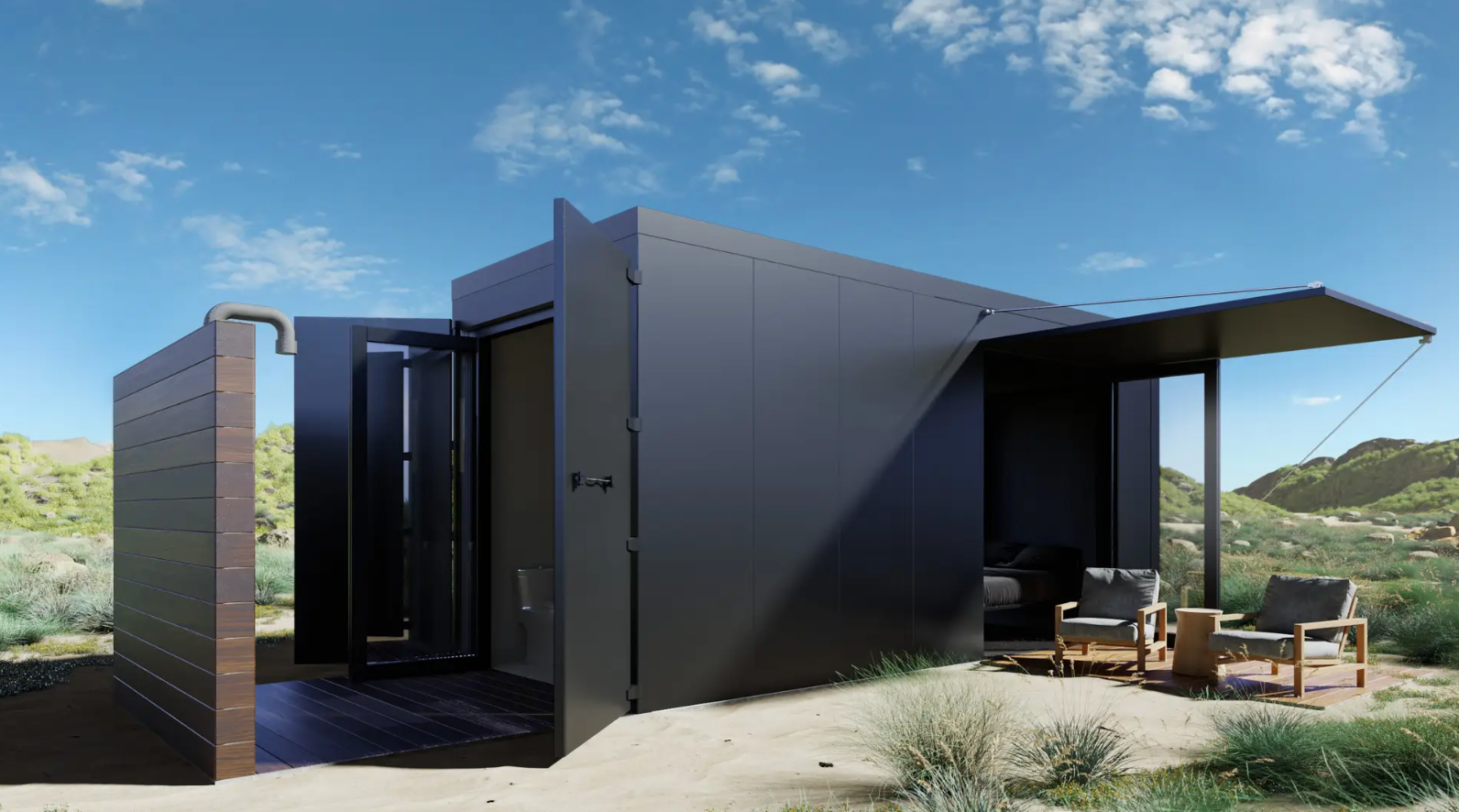
Container homes are best for: Experienced DIY builders with time, skills, and tolerance for permitting uncertainty.
Other considerations include:
- Container homes can support urban life in high-demand cities if carefully integrated.
- They may serve low-income families temporarily while affordable housing projects are developed.
- Sustainability benefits are high, including repurposing materials and energy-efficient design.
Accessory Dwelling Units ($148K-$350K)
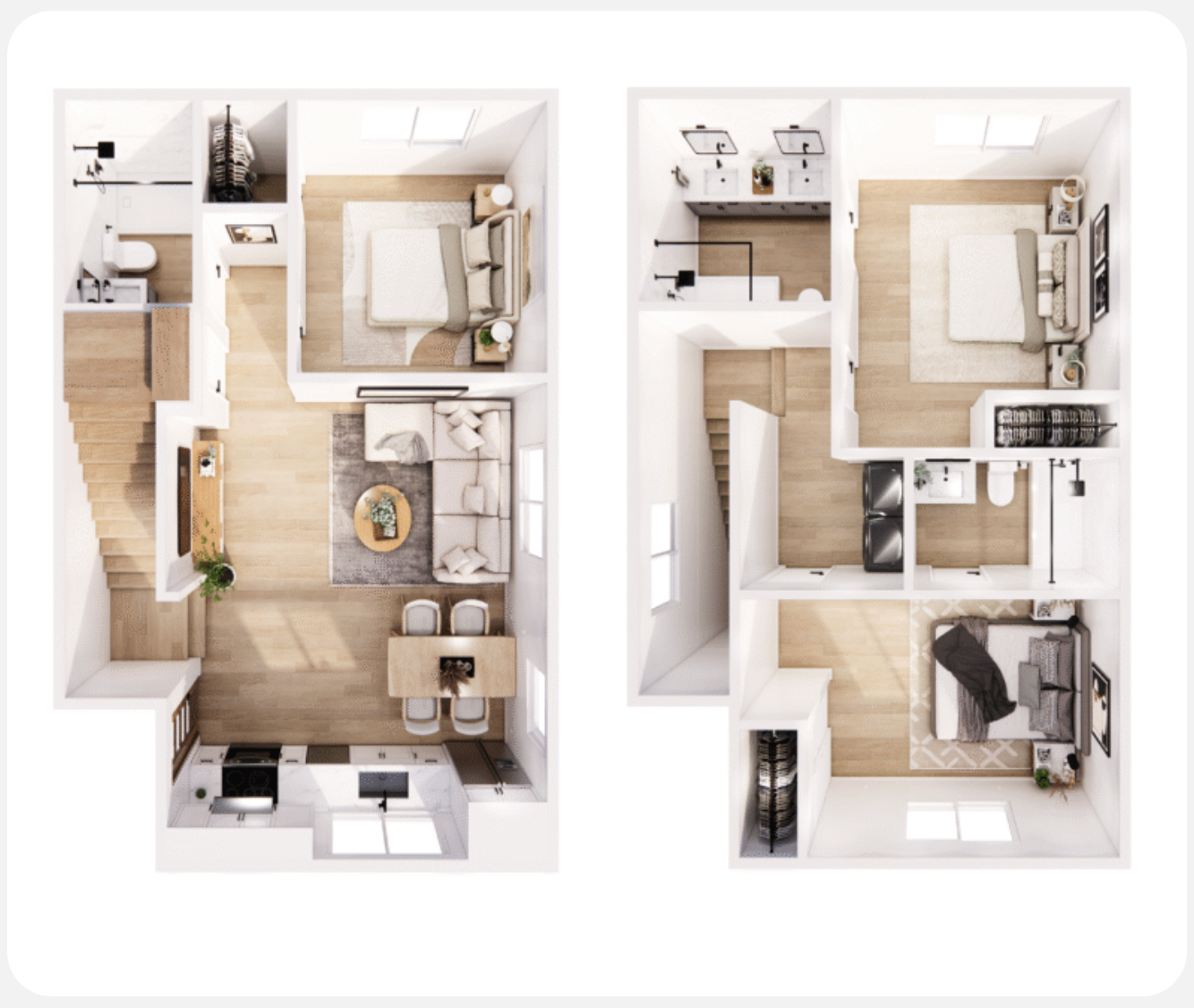
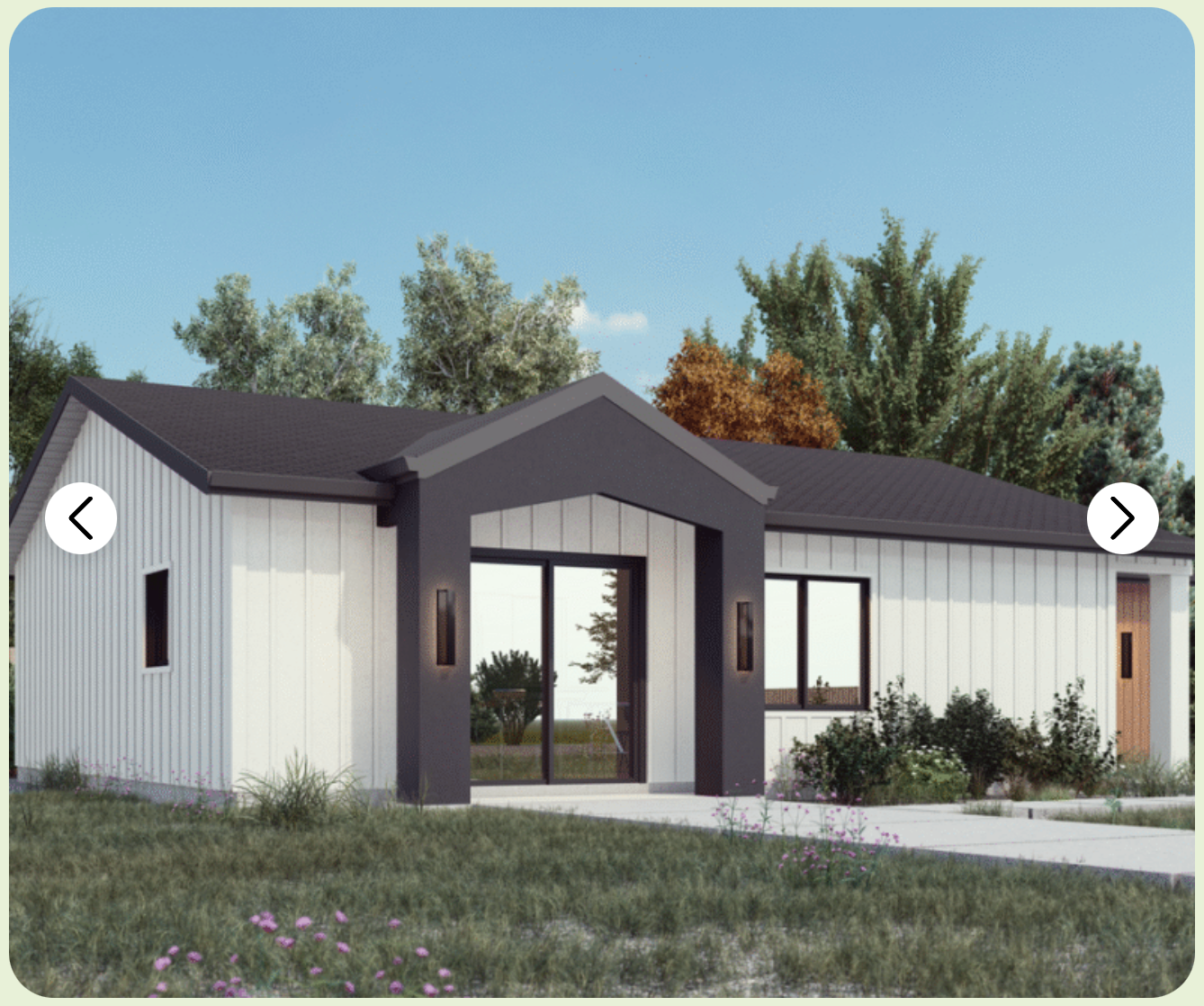
Accessory dwelling units (ADUs) offer a unique combination of affordability, sustainability, and long-term value. While upfront costs are higher, ADUs provide permanent, code-compliant residential units integrated into existing buildings or neighborhoods.
Turnkey costs typically include design, permits, foundation, utilities, and Title 24 energy compliance, including solar where required. Unlike other housing options, ADUs are built on permanent foundations and legally recognized as residential units.
ADUs increase property value, generate rental income, and support housing stability. They serve low income families, multigenerational households, and residents seeking long-term affordable homes.
ADUs are best for: California homeowners seeking cost-effective housing solutions, rental income, and neighborhood integration.
Other considerations include:
- ADUs can include community rooms, ground-floor access, or mixed-use spaces, supporting urban housing density and neighborhood development.
- Residents benefit from supportive services, access to schools, public parks, and amenities.
- ADUs transform lives by creating sustainable, long-term housing solutions in existing neighborhoods.
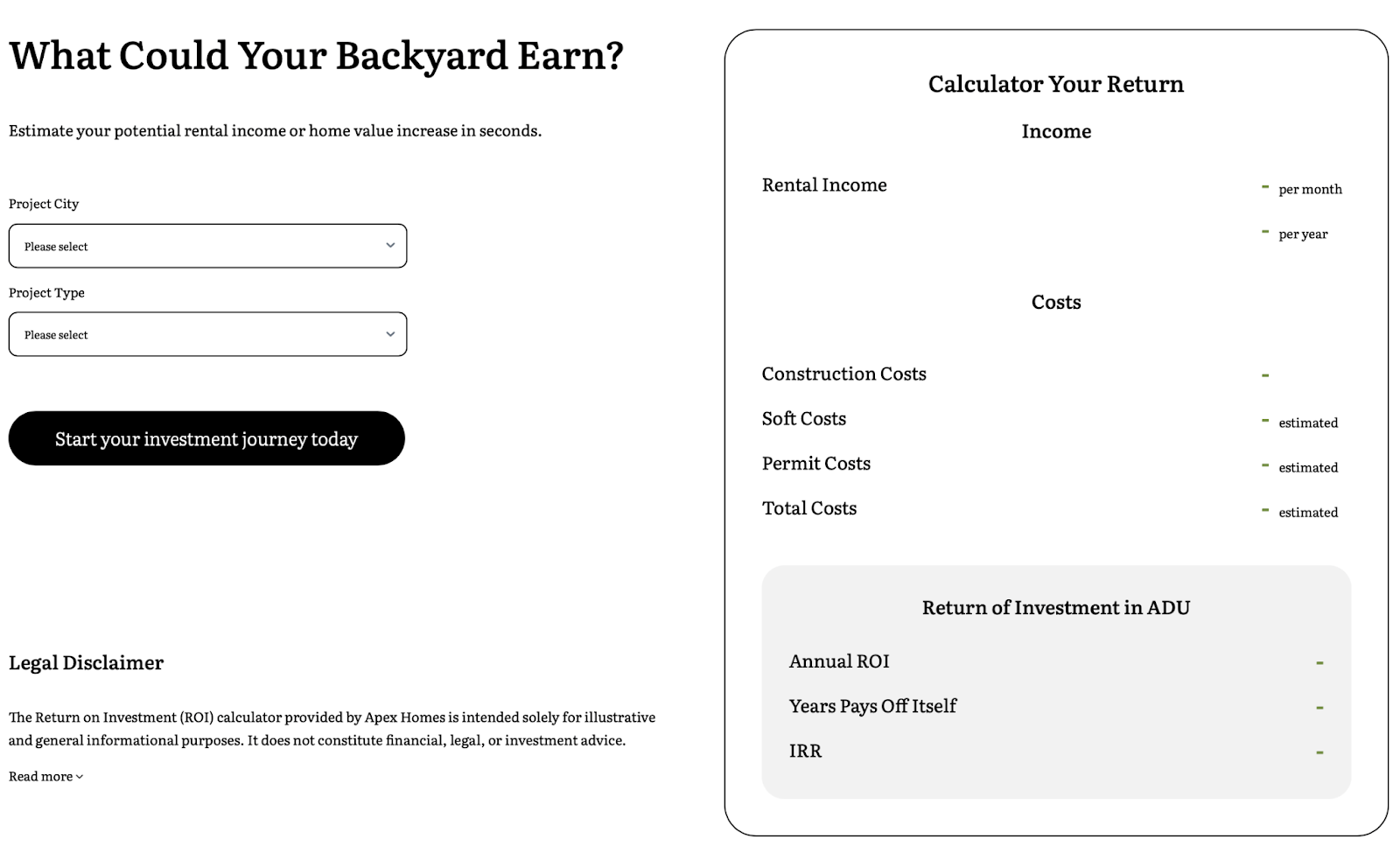
Calculate your ADU’s return on investment using the Apex Homes’ ROI Calculator!
Why ADUs are California’s Most Affordable Long-Term Solution
Amid the housing crisis, homeowners need solutions that provide permanent housing stability and long-term financial benefits.
ADUs support the following advantages:
- Support modern, affordable housing without requiring major lifestyle changes
- Integrate seamlessly into urban neighborhoods and existing residential areas
- Provide cost-effective housing units built on permanent foundations
- Promote community development, sustainability, and residents’ well-being
- Help meet the growing demand for urban housing in California cities
- Transform existing buildings into affordable homes, and
- Support neighborhood revitalization and social housing initiatives
The California Advantage: Regulatory Benefits
California has enacted ADU-friendly laws that streamline permitting, lower fees, eliminate parking requirements in many cases, and encourage pre-approved plans.
These regulatory advantages reduce construction costs, shorten timelines, and make housing projects more predictable.
By supporting urban housing density and neighborhood development, these policies enable community leaders to create affordable homes that serve families, residents, and the local community.
Extensive landscaping, thoughtful site planning, and integration with existing buildings further enhance residents’ quality of life and long-term investment potential.
The Math: The Estimated Total Cost of Ownership Over 10 Years
At the time this article was written, ADUs consistently outperform other affordable housing options over a 10-year horizon.
For example, a $250,000 ADU generating $2,500/month in rent produces $300,000 gross income, excluding rent increases. Manufactured homes often depreciate 10–20% and rarely provide rental income without additional land.
ADUs enhance property appraisal, provide long-term investment in residential units, and improve residents’ quality of life, creating a sustainable, cost-effective housing solution.
Long-term financial planning also incorporates supportive services, community benefits, and neighborhood integration.
Built-In Income Generation
ADUs provide predictable rental income, offsetting mortgages and supporting families’ financial stability.
Average rents range from $1,800–$3,500 depending on size and location. These units support youth aging into independence, foster care residents, and low income families while enhancing long-term housing stability and residents’ well-being.
What Makes an ADU Affordable vs. Expensive?
ADU affordability varies by design choices, permitting efficiency, site conditions, construction quality, and amenities.
Understanding cost drivers enables homeowners to select cost-effective housing solutions that support sustainability, investment potential, and long-term residents’ quality of life.
Cost-Drivers Most Builders Won’t Tell You
Permitting delays, unexpected utility requirements, and mid-project design changes can add weeks, months, and thousands of dollars.
Using pre-approved plans reduces risk, shortens construction timelines, and ensures predictable, cost-effective housing solutions that provide housing stability, sustainability, and community benefits.
The Solar Equation
In many California cities, solar panels are now mandated for new ADUs under Title 24 as part of the state’s aim to reduce grid electricity use and achieve net-zero emissions by 2045. While this adds upfront cost, it significantly:
- lowers long-term utility expenses
- supports sustainability, and
- enhances overall affordability
Apex Homes’ complimentary solar approach ensures energy-efficient, cost-effective units that promote residents’ well-being and modern affordable housing.
Transparent Pricing vs. Hidden Costs
Many builders advertise “starting at” prices, excluding permits, site work, utilities, or energy compliance.
Transparent pricing includes all costs upfront, allowing homeowners to plan investments accurately, support housing stability, and create long-term affordable homes that benefit families, residents, and communities.
Neighborhood Integration and Community Benefits
ADU affordability also depends on how units integrate into existing buildings, streets, and neighborhoods. Thoughtful planning maximizes land efficiency, reduces surprises, supports urban housing density, and promotes community development.
By creating additional residential units, ADUs improve residents’ quality of life, sustainability, and cost-effective housing solutions that serve families and neighborhoods.
Redefining “Affordable” for California
In California, the most affordable housing solution isn’t always the cheapest upfront. True affordability combines construction quality, rental income, regulatory compliance, sustainability, and residents’ well-being.
ADUs leverage existing property, align with city regulations, and provide modern affordable housing options that serve families, neighborhoods, and communities over the long term.
Are you planning to build an ADU? Contact Apex Homes now for a free consultation!
FAQs
What is the cheapest type of housing to build?
Tiny homes and manufactured homes often have the lowest upfront costs. However, California zoning, land costs, depreciation, and limited placement options can reduce long-term affordability and practicality for families and urban residents.
How much does it cost to build an ADU in California?
Most turnkey ADUs in California cost between $148,000 and $350,000. Final pricing varies by location, size, site conditions, permitting requirements, utilities, and Title 24 energy compliance, including solar and related upgrades.
Are prefab homes cheaper than traditional homes?
Prefab homes can reduce construction time and labor costs, but land, permits, utility connections, site work, and California-specific regulations can limit overall savings, especially in high-demand areas like the Bay Area or Southern California.
What is the most affordable permanent housing solution?
For California homeowners, ADUs are often the most affordable permanent solution. They create rental income, increase property value, provide sustainable units, support housing stability, and integrate seamlessly into existing neighborhoods.
Is it cheaper to build or buy in California?
Building an ADU on an existing property is often cheaper than buying another home. It avoids land costs, reduces fees, allows rental income to offset expenses, and provides a long-term, cost-effective housing solution for families and residents.