
You’ve probably seen your neighbor turn an idle lot into a nice cottage that hosts their in-laws or grandparents. Now, you’re thinking of building a similar unit to house your aging parents or teenagers.
In California, these structures are known as accessory dwelling units (ADUs). ADUs are independent secondary units located within a proposed or existing home.
Today, we’ll walk you through everything you need to know about ADUs in California. We’ll discuss the types you can build, the laws around building them, and how to get started the right way.
What Is An Accessory Dwelling Unit (ADU)?
Let’s start this guide by first defining what an ADU is and how it’s different from other common structures.
The Basic Definition
An accessory dwelling unit (ADU) is a secondary dwelling unit that shares the same lot as the primary single-family house. It can either be inside, attached, or detached from the primary house (more on that later).
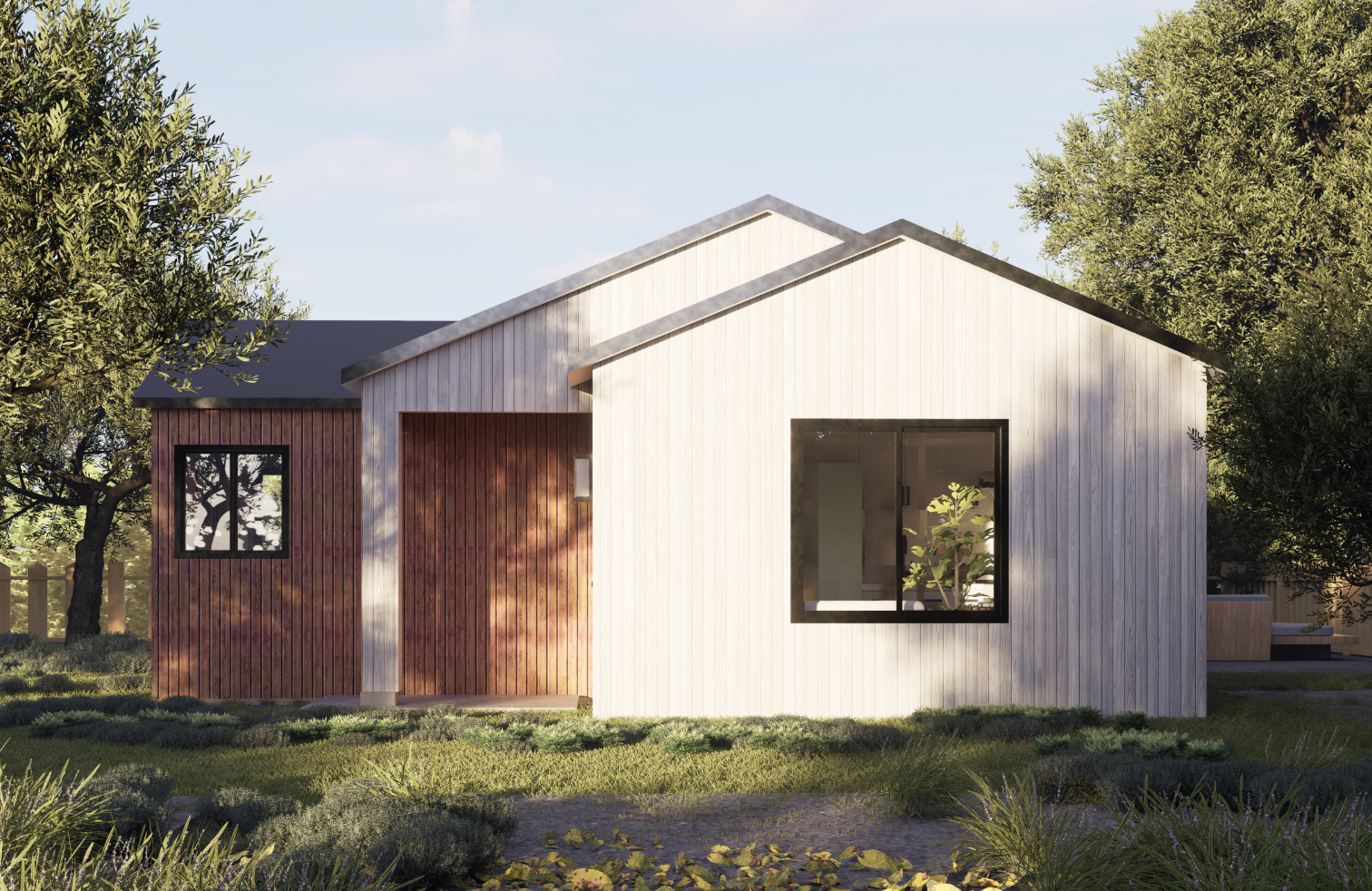
ADUs have different names, including:
- Secondary unit
- In-law unit
- Granny flat
- Accessory apartment
What Makes an ADU Different from Other Structures
It can be a bit confusing trying to differentiate ADUs from other house structures. Below is a simple explanation of ADU vs. common structures:
- ADU vs. Guest House: ADUs are independent units with a complete bathroom, living area, and kitchen. Guest houses cater for short-term stays and don’t necessarily contain a kitchen or bathroom.
- ADU vs. Home Addition: While an ADU is a separate, independent living space, a home addition is simply an expansion of the main house to create more space.
- ADU vs. Tiny House: ADUs are typically larger and built on permanent foundations, while tiny houses are small, mobile homes usually designed on a trailer.
Scratching your head, wondering what structure best suits you? Book a call with the Apex Homes team and let our home-building expert guide you.
Types of ADUs: Understanding Your Options
You can build different types of ADUs based on your property’s features and personal preferences. Below is an overview of the available options:
Detached ADUs (Stand-Alone Units)
When we talk about detached ADUs, it means the unit is separate from the main house but shares the same lot. For example, you can build a separate structure in your backyard (called a backyard cottage) or side yard.
Attached ADUs
As the word suggests, attached ADUs are connected to the main house. They can share the wall on the side or rear of the house, but have a separate entrance. For instance, you can convert your patio into an accessory apartment.
Junior ADUs (JADUs)
These are smaller ADUs measuring 500 sq ft or less and attached to or within the primary single-family house. In California, JADUs only need to meet efficiency kitchen requirements and may contain a bathroom or share with the main home.
ADU Requirements and Regulations
Before starting your ADU project, it’s critical to understand the state requirements and local regulations. In the next section, we’ll look at the ADU requirements and zoning regulations in California.
What ADUs Must Include
In California, an ADU should have a minimum of 150 sq ft of living space. The maximum size depends on local laws. Here are the details:
- Detached ADUs: They can extend up to 1200 sq ft.
- Attached ADUs: A maximum of 850 sq ft is allowed for a one-bedroom or studio unit. A unit with more than one bedroom can be up to 1,000 sq ft
- JADUs: These units are limited to 500 sq ft.
Please Note: An ADU cannot exceed more than 50% the size of your primary residence.
Beside the size requirements, ADUs in CA must include:
- Full Kitchen
- Living Area
- Bathroom
- Bedroom or sleeping space
- Utilities: The unit should be connected to electricity, gas, sewer, and water.
Common Zoning Regulations
California ADU laws outline the standard requirements that ADUs must meet. However, there are local ordinances that you should follow when constructing an ADU. These laws include:
- A setback of at least four feet from the sides and rear of the property
- Local governments set height requirements. For example, in Del Norte County, detached ADUs can reach up to 16 feet high.
- An ADU should include one parking space per bedroom. However, the parking requirements don’t apply if the unit is near (half a mile) public transport.
State and Local Variations
California continues to pass new laws that make it among the states with the most permissive ADU requirements. These include faster permit approvals, which enable people in cities like Sacramento to receive permits within 60 days.
However, while state laws exist, local variations still apply. In some cases, they might differ from the state requirements, but state laws prevail.
Is An ADU Right For You?
An ADU might be a great choice if you’re looking to house additional family members, increase your property value, or earn extra rental income. However, it’s important to consider several factors before deciding whether it’s a good option for you or not.
Can I build an ADU on my property? There’s no direct answer. But asking yourself the following questions will help determine if building an ADU is right for you:
1. What would you use the ADU for?
Set your goal for the ADU. You may want an extra living space for family members, like in-laws, a home office, or to rent out. Your goals will determine the budget, size, and type of ADU to construct. For example, a JADU may be a perfect unit for your teenage son.
2. Does your property have space for an ADU?
In California, ADUs can range in size from 150 sq ft to 850 sq ft, with a height limit of 16 ft. If you’re considering building an ADU, your property should have enough space to accommodate it.
3. What is your budget for the project?
You can self-finance the ADU project if you have enough cash. If not, consider available financing options like ADU loans, local grants or incentives, and home equity loans.


The construction budget can vary widely, depending on materials, labor rates, and design. Other costs building permits and utility upgrades, like sewer lines. For example, a one-bedroom ADU with Apex Homes (1 bedroom and 1 bath) starts at $148,000.
4. What are the local regulations in your area?
There are specific ADU requirements that you must meet in California. You must also check the local laws in your city or town, and any additional requirements that Homeowners Associations (HOAs) might impose.
5. What’s your timeline for construction?
Constructing an ADU to completion can take up to 12 months or more, depending on the design and type. When planning your timeline, consider the time required for obtaining permits, completing construction, and securing approvals.
Getting Started With Your ADU With Apex Homes
Ready to start your ADU project in California? It might feel overwhelming at first, but with a reliable partner like Apex Homes, the journey gets easier. Our in-house team of experts handles everything, making the process more streamlined.
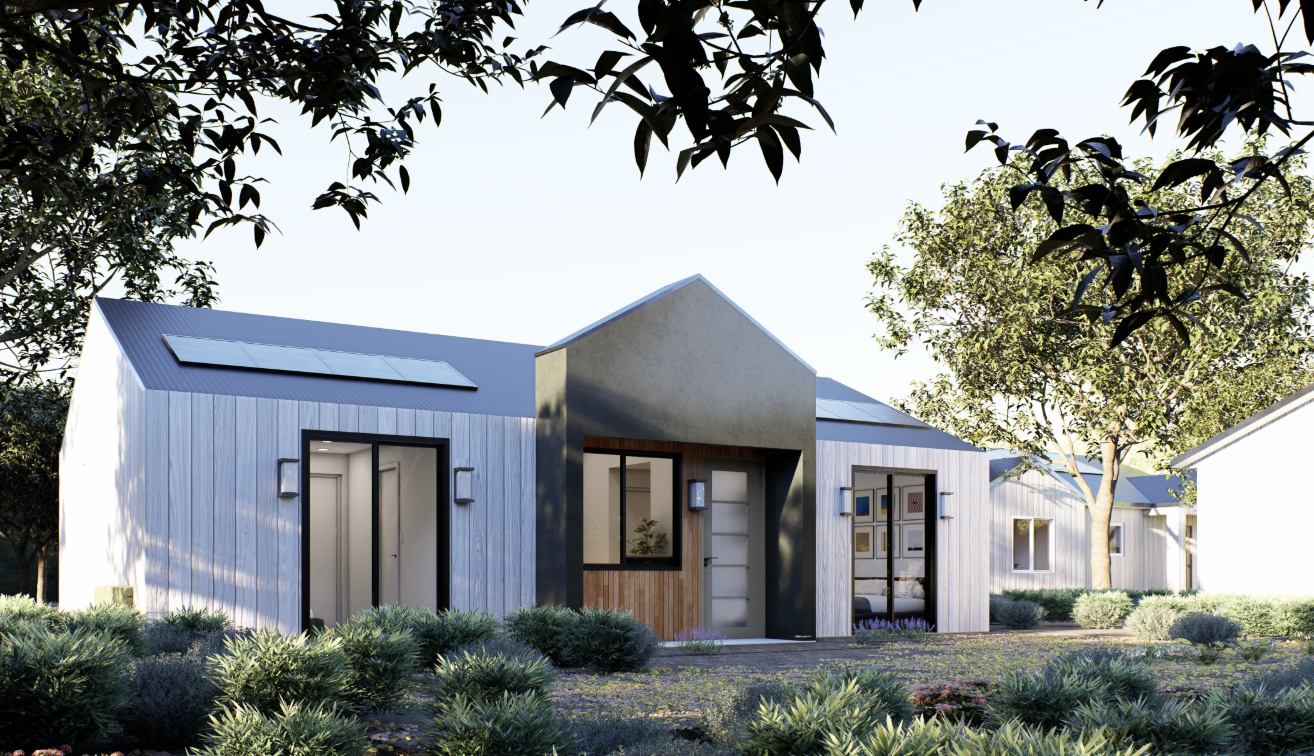
Here are the five simple steps to start your ADU with Apex Homes:
Step 1: Schedule a Free Consultation
Book a free consultation with our team to understand what’s possible for your property. We’ll assess your lot, review your goals, and guide you on the best ADU options.
Step 2: Navigate Local Regulations with Ease
As ADU experts in California, we’ll guide you through the requirements in your area, ensuring your project meets all the standards. Let’s take guesswork and confusion out of your way.
Step 3: Design and Build
Enjoy our full-service approach from design and construction. Our team handles the site preparation, building, and construction, giving you peace from start to finish.
Step 4: Know Exactly What to Expect
No surprises here. We provide transparent pricing and a timeline, so you always know the cost, scope, and schedule upfront.
Step 5: Open your New ADU
Enter your new, fully finished ADU, ready to host. Whether it’s for family, extra personal space, or rental income, we’ll deliver a turn-key solution built to last.
Build Your ADU With Confidence
With this guide, you now have insights into building an ADU in California. State and local laws are favorable, making it easier to build an accessory apartment for extra income or to host relatives.
And with Apex Homes, you have a trusted partner every step of the way. We’ll walk with you from navigating permits to delivering a turn-key ADU you’ll be proud of.
Book your free consultation and take the first step towards bringing your vision to life.